
NASA's Moon battery fix: Lithium-ion can't take the cold
The agency is engineering power cells for lunar extremes, a move that could reshape battery tech for Earth's coldest places.

NASA is developing batteries designed to withstand the Moon's extreme temperatures, acknowledging that conventional lithium-ion cells are not viable for the cosmos. For decision-makers in aerospace and energy storage, this signals a shift toward ruggedized power systems that could redefine cold-weather and off-grid applications.
NASA is making batteries for the Moon's extreme temperatures, and the agency is blunt about why: lithium-ion just isn't cut out for the cosmos. The admission, shared via Engadget, underscores a fundamental problem for every future lunar mission: the same rechargeable cells that power our phones and electric vehicles can't handle the brutal cold of space. For engineers and executives watching the space economy, this is a quiet but consequential pivot in how we think about energy storage beyond Earth.
The core issue is temperature. Lithium-ion batteries rely on chemical reactions to move lithium ions between electrodes, and those reactions slow dramatically in the cold. On the Moon, temperatures swing wildly between scorching daylight and deep-freeze nights, and standard cells can lose most of their usable capacity or simply stop working. That's why NASA is now focused on designing batteries specifically for those extremes, rather than adapting off-the-shelf technology. The agency's work is a reminder that the hardest environments on Earth are mild compared to what a lunar lander faces.
For context, the Moon's surface experiences some of the most punishing conditions in the inner solar system. A single lunar night lasts about two weeks, meaning any battery-powered equipment must survive long periods without sunlight to recharge. Solar panels can generate power during the day, but they're useless after sunset. That makes energy storage not just a convenience but a matter of mission survival. NASA's battery development is therefore a critical piece of the broader push to establish a sustained presence on the Moon, whether for scientific research, resource extraction, or as a staging ground for deeper space exploration.
The technical challenge goes beyond just keeping a battery warm. Engineers have to consider how the battery's materials behave across a huge temperature range, how to manage the heat generated during charging and discharging, and how to ensure the cell doesn't crack or degrade when the temperature swings. NASA's approach, as described in the source, is to build batteries that are inherently more tolerant of extreme conditions, rather than relying on bulky heaters or insulation that add weight and complexity. That's a significant departure from how most commercial batteries are designed, where the operating envelope is relatively narrow.
The implications extend far beyond the Moon. If NASA succeeds in creating batteries that can operate in extreme cold, the same technology could find its way into electric vehicles in northern climates, where winter temperatures can cut range by a third or more. It could also benefit grid storage in remote or arctic regions, where conventional batteries struggle. For industries that depend on reliable power in harsh environments, from telecom towers to oil and gas operations, a cold-hardy battery would be a game-changer. The space agency's work is effectively a research and development lab for the rest of the energy economy.
There's also a strategic dimension. As more countries and private companies plan lunar missions, the ability to survive the lunar night becomes a competitive advantage. NASA's battery work is part of a broader ecosystem of space technology that includes landing systems, habitats, and rovers. Companies that can license or adapt NASA's battery innovations could position themselves as key suppliers for the growing lunar economy. For executives in aerospace and defense, this is a signal to watch NASA's technology transfer pipeline closely.
For decision-makers, the lesson is that extreme environments force innovation that eventually trickles down to everyday products. The same way space exploration gave us memory foam and scratch-resistant lenses, lunar battery research could yield energy storage breakthroughs that redefine what's possible on Earth. But the timeline is long, and the risks are high. NASA's work is still in the development phase, and there's no guarantee that any single chemistry or design will emerge as the winner. What is clear is that lithium-ion, for all its dominance, has limits that the cosmos is happy to expose.
The takeaway for leaders is to pay attention to how NASA solves this problem. The agency's choice of battery chemistry, thermal management strategy, and manufacturing approach will ripple through the supply chain. Companies that align themselves early with these emerging standards could gain a foothold in both space and terrestrial markets. For now, the headline is simple: the Moon is a brutal place for batteries, and NASA is building the fix. That's not just a science story. It's a business story about where energy storage is heading next.
This story's Key Insights and Take-aways are locked.
Create a free account to unlock Executive Actions for one credit.
Register to UnlockAlways free for Executives Club members. Join the Club
More in Technology

Cop fired after sharing Flock login with ICE husband: 983 searches
A Savannah officer's shared credential let an ICE agent run hundreds of plate searches on Hispanic drivers, exposing a surveillance backdoor.

Elizabeth Holmes doc 'You Can See Everything' posts second-biggest doc debut ever
The true-crime draw shows fraud narratives still sell - a signal for media execs and a caution for founders.
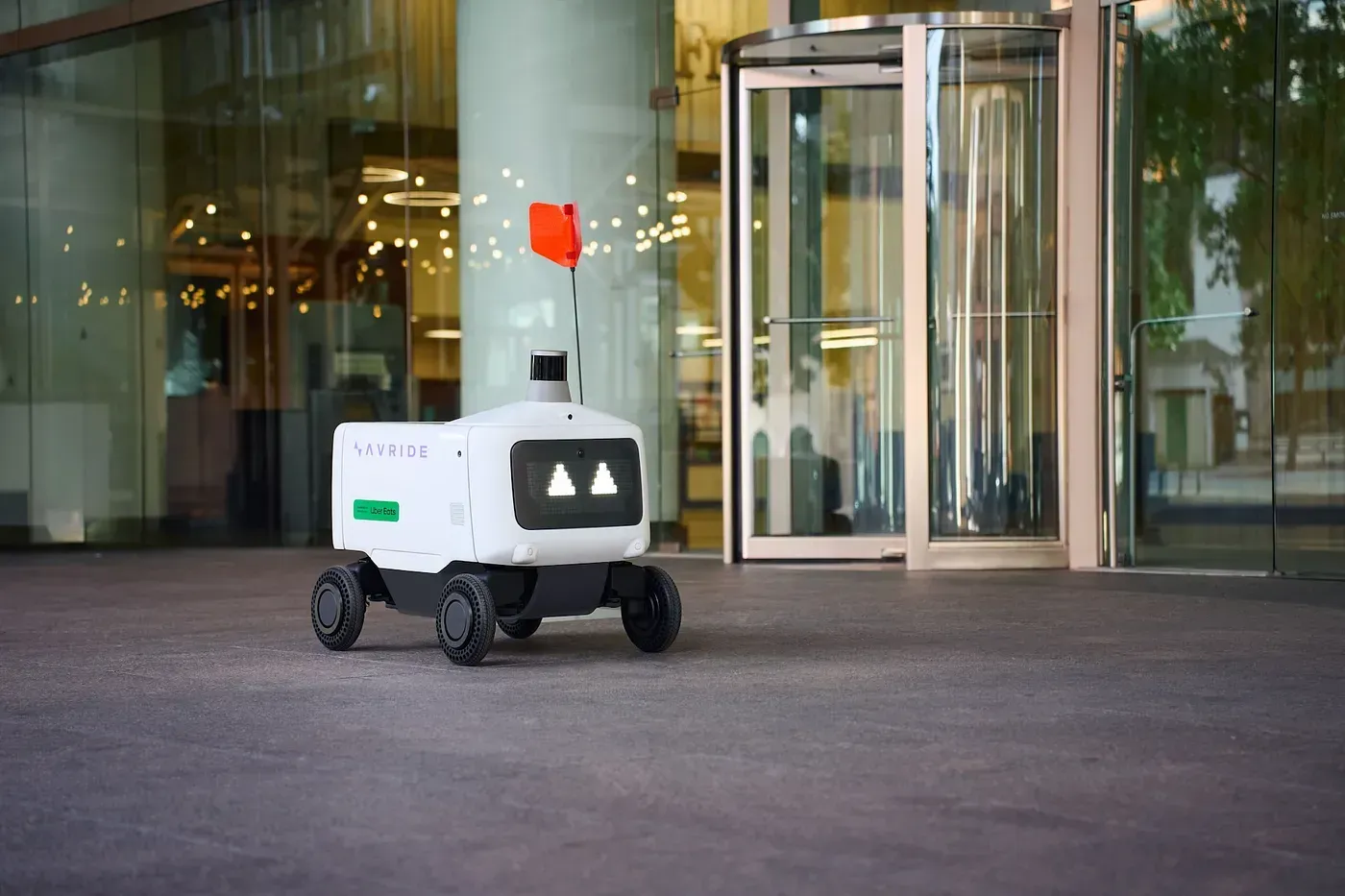
She blocked an Uber delivery robot to save jobs. Police arrested her.
Carolyn Marvin's disorderly conduct arrest turns a sidewalk standoff into a test case for how cities police the automation-versus-workforce debate.