

Natasha Lyonne explains her Poker Face exit as Peter Dinklage replaces her
What changed, what she expected, and why Season 3 still matters even after Peacock cancelled Poker Face.
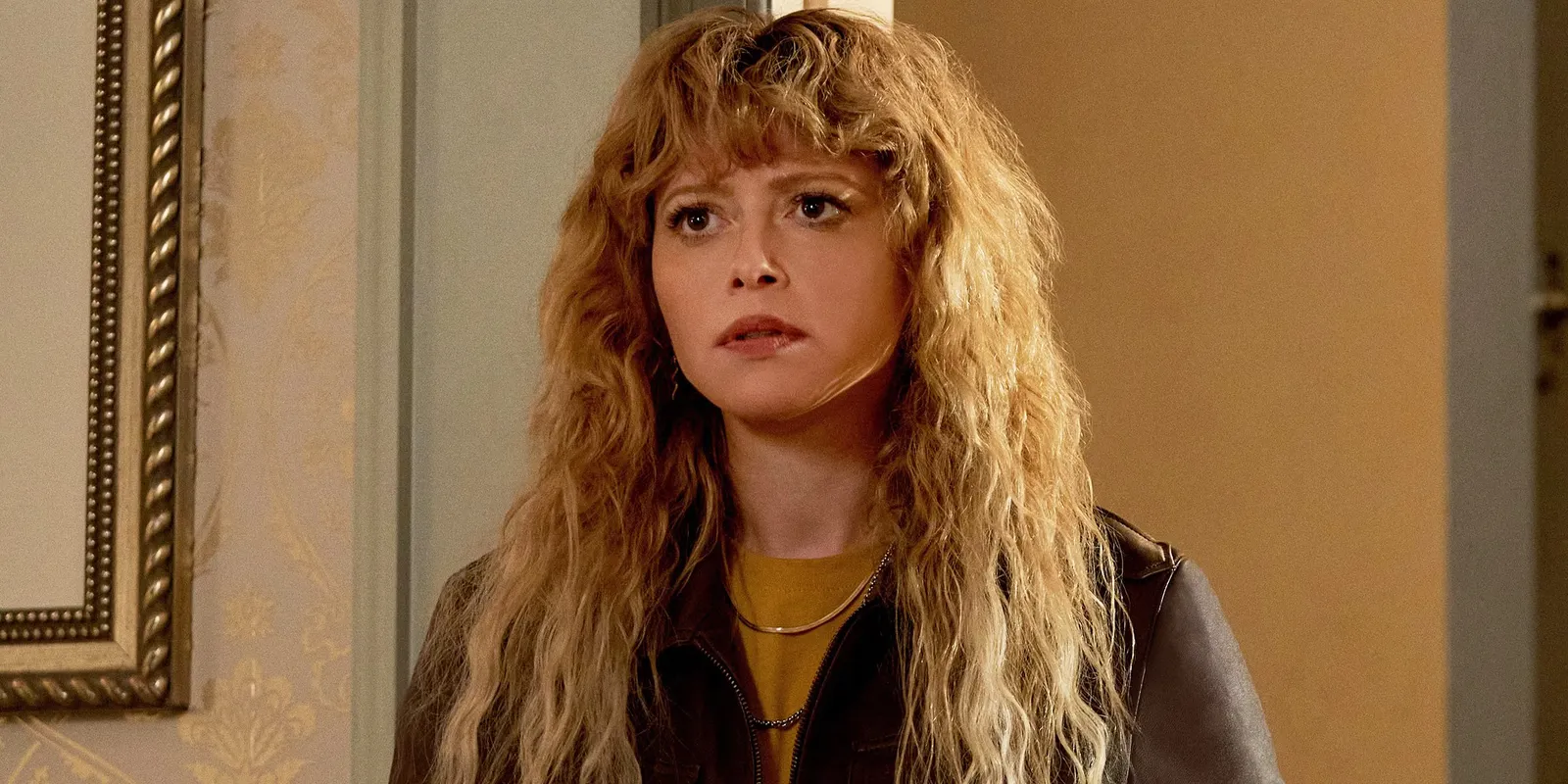
Natasha Lyonne addressed being replaced in Peacock's mystery series Poker Face during a roundtable at the Italian Global Series Festival, where Collider's Therese Lacson interviewed her. The shift has immediate knock-on effects for talent strategy and platform negotiations because the series was cancelled at Peacock but shopped elsewhere.
Natasha Lyonne finally addressed the most talked-about surprise in Peacock's Poker Face universe: her departure and the decision to replace her in Season 3 with Peter Dinklage. Lyonne discussed the exit during a roundtable interview at the second edition of the Italian Global Series Festival, in an exchange Collider's Therese Lacson captured for viewers trying to connect the dots.
For fans, the path to that moment is already packed with whiplash. The series started with mystery-of-the-week momentum and ended Season 2 with a twist ending that left people talking. Then came the subsequent news that Lyonne was leaving, with her role set to be taken over by Peter Dinklage. The show itself added another layer of uncertainty when it was cancelled at Peacock, even as it continued to be shopped to other streamers for a new home. In other words, the story did not just move characters around. It moved careers and contracts around too.
Lyonne's remarks also matter for the part of this situation execs care about most: expectations. Collider reports that Lyonne discussed her original expectations for Poker Face, Rian Johnson's mystery series, and what she hoped for regarding a Season 3 return. That may sound like fan-service detail, but it is also a window into how top cast members think about creative arcs and how they read the production room. When an actor publicly sets expectations, audiences get a sense of what was on the table creatively, not just what happened behind the scenes.
Now add the platform reality. Peacock cancelled Poker Face, a decision that triggers a familiar set of questions in streaming: will the IP find a buyer, will the new buyer preserve the cast commitments, and how quickly can it all happen without breaking continuity. The source is explicit that the series is still being shopped to other streamers. That is not just a business footnote. In streaming economics, cancellation can be less about the IP and more about internal allocation of attention, budget, and schedule space. But second-order effects follow the cancellation. Talent transitions become harder. Marketing plans get scrambled. And executives at potential acquiring platforms have to decide how much uncertainty they are willing to absorb.
The casting replacement is the visible part of that uncertainty. The headline fact is stark: Lyonne was set to be replaced, with her role set to be taken over by Peter Dinklage. Even without extra detail in the source, you can see why boards and studios treat casting changes like financial signals. A show can survive a technical hiccup. It is harder to survive a narrative and brand identity shift. In a mystery series, viewers tune in for a specific kind of on-screen chemistry and investigative tone. Changing who leads the case-solving experience can reshape how the audience feels about the series' promise.
There is also the creative DNA. Poker Face is associated with Rian Johnson, and that connection matters in negotiations because it creates a recognizable style and a set of audience expectations. When a show tied to a high-profile creator faces a platform cancellation, the buyer is not just purchasing episodes. It is purchasing a creative brand with momentum, plus the obligation to honor it. That is why Lyonne's hopes for a Season 3 return are not merely emotional. They underline that the show still carries unfinished business in the minds of stakeholders, including talent.
From a market perspective, this is a case study in how streaming strategy works when a series fails to land where it was expected to. Cancellation at Peacock does not end the franchise story, but it forces a reset. The show is being shopped to other streamers, which means the new platform could bring different priorities, different timelines, and different willingness to fund Season 3. The casting replacement makes those questions louder. If the replacement and the exit are already in motion, the acquiring platform has to decide whether to lock in the revised plan immediately or renegotiate toward the original vision. For executives, that is where the risk lives: you can protect the brand, or you can protect the budget. Sometimes you can do both. Sometimes the deal is a trade.
So what is the strategic stake for decision-makers now? Poker Face is still a live asset. It has proven that it can spark conversation with a twist ending in Season 2. And it has now demonstrated a more fragile side of the streaming lifecycle, where cast changes can follow cancellation quickly. Lyonne's interview, and Collider's documentation of it, underscores that Season 3 is not simply a checkbox. It is a negotiation test of whether the series can carry its identity through a platform shift and a lead transition. For anyone running a streaming slate, building a talent strategy, or managing an IP pipeline, the lesson is simple: the show you think you own can become the show you have to reassemble. And timing matters.
This story's Key Insights and Take-aways are locked.
Create a free account to unlock Executive Actions for one credit.
Register to UnlockAlways free for Executives Club members. Join the Club
More in Entertainment

12TB Steam 'teraleak' goes beyond Valve: GTA 3, Mafia 2 prototypes exposed
A 12-terabyte dump of Steam data reveals prototypes and builds of third-party classics like GTA 3 and Mafia 2, plus unreleased Valve content, rewriting game history.

LinkedIn's romance problem: 1 in 4 workers say dating on it is fair game
A new survey shows a quarter of U.S. employees treat the professional network as fair game for romance, even as LinkedIn bans it and removes hundreds of thousands of offending posts.

Enhypen's first No. 1 album breaks K-pop's Billboard 200 streak
The K-pop group's 98,000-unit debut tops the chart while Dolly Parton's catalog reentry shows how death reshapes streaming.