

NATO expansion is not a threat. It is leverage for Washington, regardless of Trump
New allies increase NATO’s capabilities, so the real question is how Washington allocates influence and resources.
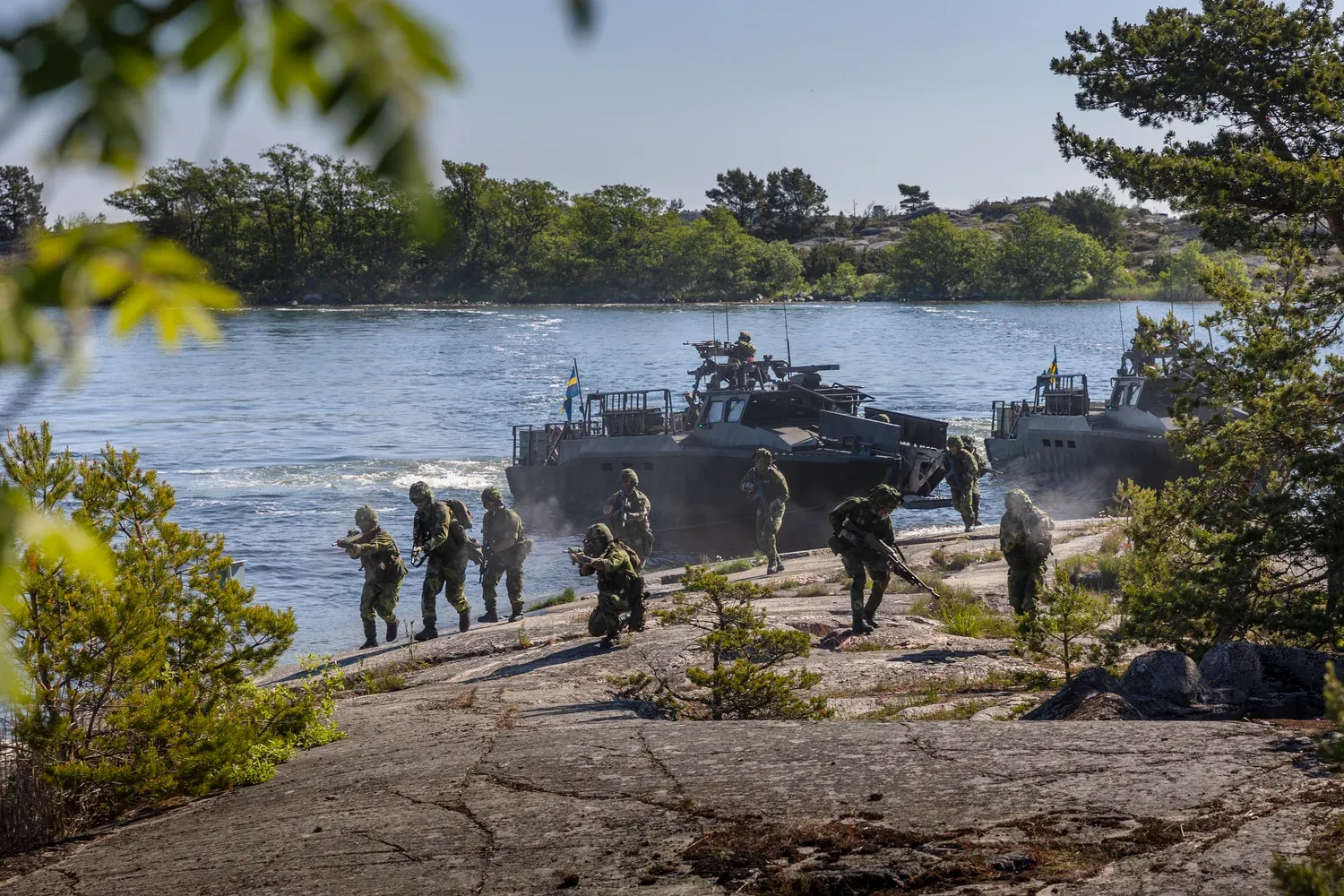
The piece argues that Washington should not fear NATO expansion, emphasizing that new allies bring powerful assets. For decision-makers, the implication is that assuming expansion is destabilizing is a costly misread of how NATO power works.
Washington should not fear NATO expansion, and the reason is straightforward: adding new allies increases NATO’s capabilities. The core claim here is that new partners bring powerful assets, whatever Donald Trump thinks. That matters because fear drives decisions. If leaders treat expansion as a problem to manage rather than capacity to leverage, they risk underinvesting in the very strengths NATO is designed to pool.
This is not an argument about vibes. It is a reminder about how alliances are supposed to function: membership is the mechanism by which capabilities combine. When new countries join, NATO’s collective posture and operational options can broaden. That means Washington gets more people, more geography, and more political weight at the table. And yes, this is happening in a political environment where Donald Trump’s views often dominate headlines, but the article’s point is that NATO expansion itself still delivers tangible assets.
To understand why that framing lands, it helps to look at how alliances interact with domestic politics. In democracies, foreign policy is constantly tugged by election cycles, cost concerns, and competing priorities. NATO can become a proxy fight over spending and commitment. But the incentive structure of NATO is different from a single-country procurement program. The alliance is built so that burden sharing is supposed to produce network effects: more partners means more distributed resilience. That does not automatically solve budget fights, but it changes the baseline. It turns “do we want more commitments?” into “how do we integrate and use the added commitments effectively?”
Boardroom readers should also notice the second-order logic: capabilities do not just sit there. They require integration, command and control, and ongoing planning, which are the alliance equivalent of product and supply-chain integration. When new members arrive, existing arrangements have to be adapted, exercises need to align, and interoperability becomes a practical necessity. That creates ongoing work for officials who coordinate defense planning, logistics, and readiness. The article’s stance implies that Washington should treat this work as capability-building, not as an existential threat.
There is also a regulatory and institutional angle, even though NATO is not a “regulator” in the corporate sense. NATO is an institutional framework with rules, committees, and planning cycles. When membership changes, those institutional channels have to absorb new stakeholders. That can feel politically messy. It can also be strategically valuable. New allies can bring different threat perceptions, different regional expertise, and different degrees of operational experience, all of which can reduce blind spots. The risk for Washington is mistaking short-term administrative friction for long-term strategic weakness.
Now zoom out to the strategic stakes for decision-makers who care about momentum, coordination, and influence. NATO expansion is not only about military math. It is about signaling. Membership signals that the alliance is willing to grow and that commitments are meant to be durable through changing political administrations. If Washington treats expansion as something to fear, it may unintentionally weaken its own negotiating leverage with both current and future partners. Conversely, if it treats expansion as a pathway to stronger assets, it can better align internal resources around integration and readiness, rather than spending political capital on resisting the inevitable.
For peers in government, defense planning, and national security-adjacent policy roles, the actionable takeaway is that the debate should shift from whether expansion is inherently destabilizing to how it improves NATO’s collective position. Even in a political moment where Donald Trump’s views capture attention, the article argues the strategic reality does not change: new allies bring powerful assets. Washington’s choice is not between “good” and “bad” expansion. It is between leveraging new capacity and letting fear dictate resource allocation.
This story's Key Insights and Take-aways are locked.
Create a free account to unlock Executive Actions for one credit.
Register to UnlockAlways free for Executives Club members. Join the Club
More in Politics

Glacial collapse, not rain, killed 180 in Nepal's Himalayan flood
The Himalaya's extreme geography hid the true cause of Nepal's catastrophic flood, a glacial collapse that turned a geological battleground into a mass-casualty zone.

Iran’s Esmail Baghaei says Oman talks start shipping via Hormuz, not US talks yet
Temporary route plans with Oman aim to restart commerce while Tehran says Washington dialogue is not on the table.

Standards watchdog opens probe into Reform UK deputy leader Richard Tice over interests
The parliamentary standards commissioner says it began an investigation on 28 July into a possible undeclared interest.