
NATO plays a Europe-first waiting game as Trump fades, forcing bigger leadership decisions in Europe
Europe is moving from reacting to preparing. The question is what happens when NATO stops orbiting the U.S. president.
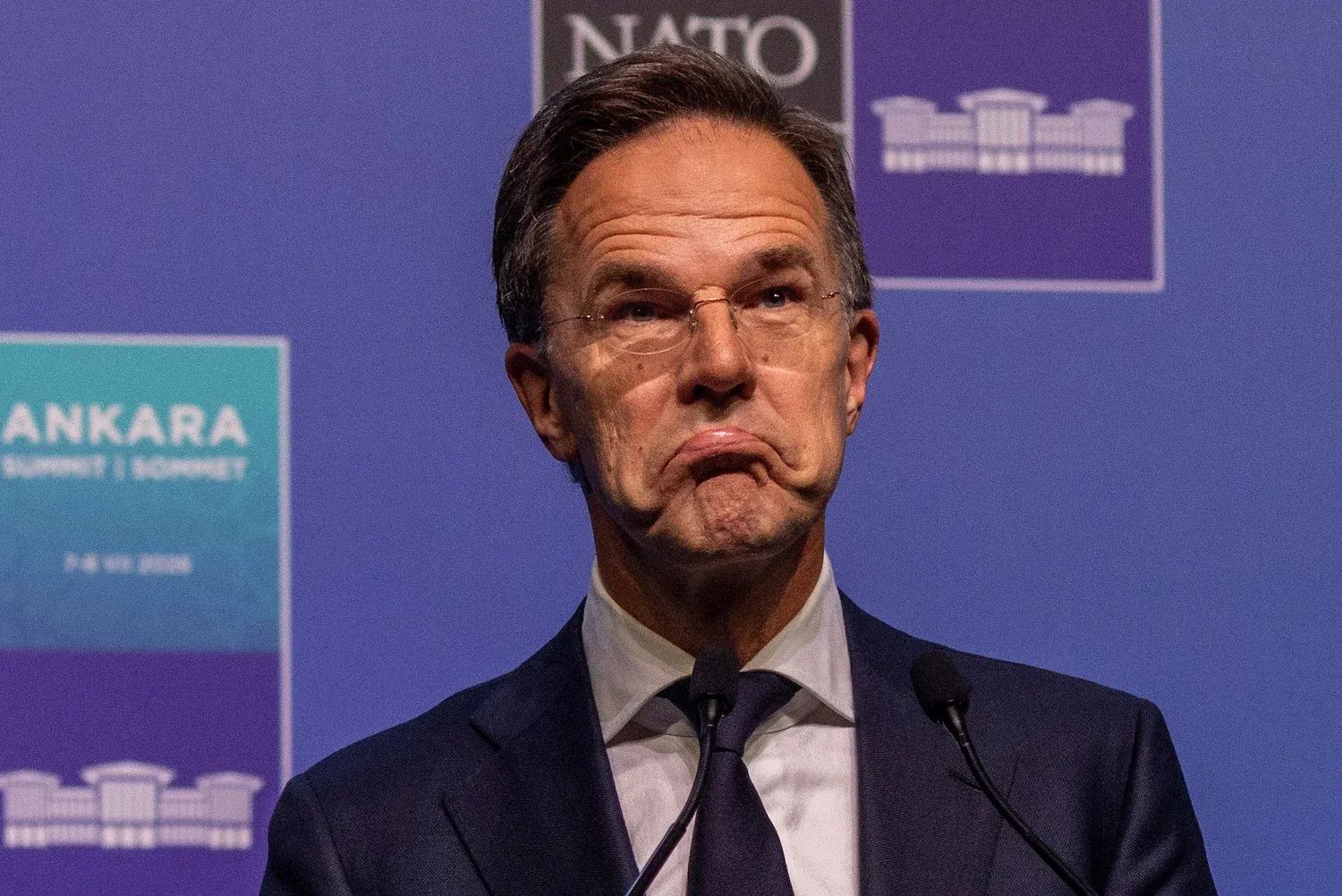
Foreign Policy frames NATO’s current moment as “Less Trump. More Europe,” shifting attention to Europe’s role in alliance strategy. For decision-makers, that means leadership, spending priorities, and planning timelines can no longer wait for Washington’s next political mood swing.
If you feel like NATO has been spending too much time waiting for the next U.S. political headline, you are not imagining it. Foreign Policy’s framing is blunt: “Less Trump. More Europe.” In other words, the alliance is slowly moving away from an era where NATO’s public rhythm often matched the preferences of a U.S. president, and toward an era where Europe has to act as if it will be the operational center of gravity.
That shift matters because NATO is not just a political brand. It is a machine with incentives, budgets, procurement pipelines, and planning calendars. When the alliance leans less on one individual in Washington, the burden of continuity moves. It moves to European governments, European defense planners, and the institutions that coordinate capabilities across countries that do not always think at the same speed. “Waiting game” is not a vibe. It is a timeline problem.
To understand why, it helps to translate NATO politics into business logic. In a typical multinational organization, you do not only need strategy. You need an implementation plan that survives leadership changes, election cycles, and changing risk tolerance. In alliances, the “leadership change” is not hypothetical. It is recurring. If NATO leadership expectations are treated as contingent on who is in the U.S. White House, then European planners inevitably operate under a kind of strategic uncertainty tax. They hesitate, they delay, or they plan conservatively to avoid committing to pathways that could be contradicted later.
Foreign Policy’s simple pivot toward “More Europe” effectively calls out that tax. If the future agenda is less about adapting to Trump and more about Europe taking on a bigger role, then European decision-makers have to re-allocate attention from debating what the U.S. will do next to deciding what Europe will do now. That is harder than it sounds. Europe is a portfolio of national interests, budgets, and industrial bases, and defense is not like consumer software where you can ship a patch and move on. Capabilities take years to develop, procure, integrate, and sustain. Waiting is not neutral, because time is also an input.
There is also a governance angle here. NATO is a collective defense system, which means the credibility of the alliance depends on everyone believing the alliance can execute. If Europe is being told to do more, then Europe’s internal consensus becomes a gating factor. That includes how governments justify spending, how they coordinate across ministries, and how they handle the domestic political friction that comes with long-term defense commitments. In market terms, it is like shifting from “we can reallocate later” to “we must commit capital now,” except the capital is budgets, contracts, and industrial capacity.
And because the story is about a “waiting game,” the second-order implications are about what gets stalled when leadership is reactive. Reactive planning often privileges flexibility over capability. Flexibility is not always bad, but defense capability cannot be improvised indefinitely. If Europe is moving toward more responsibility, then the board-level question becomes: are priorities aligned well enough to turn commitments into deployable readiness, or are plans still optimized for political optics and contingency scenarios?
For executives and investors who track strategic sectors like defense, industrials, and critical infrastructure, this is where the signal lives. A shift from U.S. president-specific NATO dynamics toward an Europe-led approach can change procurement timing, budget stability expectations, and industrial investment patterns. It can also influence how regulators and public institutions evaluate risk, because readiness is not only a security issue. It is a supply chain issue. When decisions are made less in response to U.S. political shifts and more in response to European security planning, supply planning gets firmer, which can ripple into contract structures and industrial output expectations.
The stakes, then, are not abstract. NATO is entering a phase where Europe’s leadership is not just symbolic. It is operational and institutional. If you are a decision-maker in a country or company that must plan for multi-year procurement or alliance coordination, the “waiting game” means you need to design for continuity. The alliance might still have U.S. influence, but Foreign Policy’s “Less Trump. More Europe” framing points to a world where the default assumption will be European action, European planning, and European execution. That is the strategic choice hiding behind the headline: keep waiting and risk building capabilities too late, or commit to the work now and shape what NATO becomes when U.S. politics stop dominating the forecast.
This story's Key Insights and Take-aways are locked.
Create a free account to unlock Executive Actions for one credit.
Register to UnlockAlways free for Executives Club members. Join the Club
More in Politics

Glacial collapse, not rain, killed 180 in Nepal's Himalayan flood
The Himalaya's extreme geography hid the true cause of Nepal's catastrophic flood, a glacial collapse that turned a geological battleground into a mass-casualty zone.

Iran’s Esmail Baghaei says Oman talks start shipping via Hormuz, not US talks yet
Temporary route plans with Oman aim to restart commerce while Tehran says Washington dialogue is not on the table.
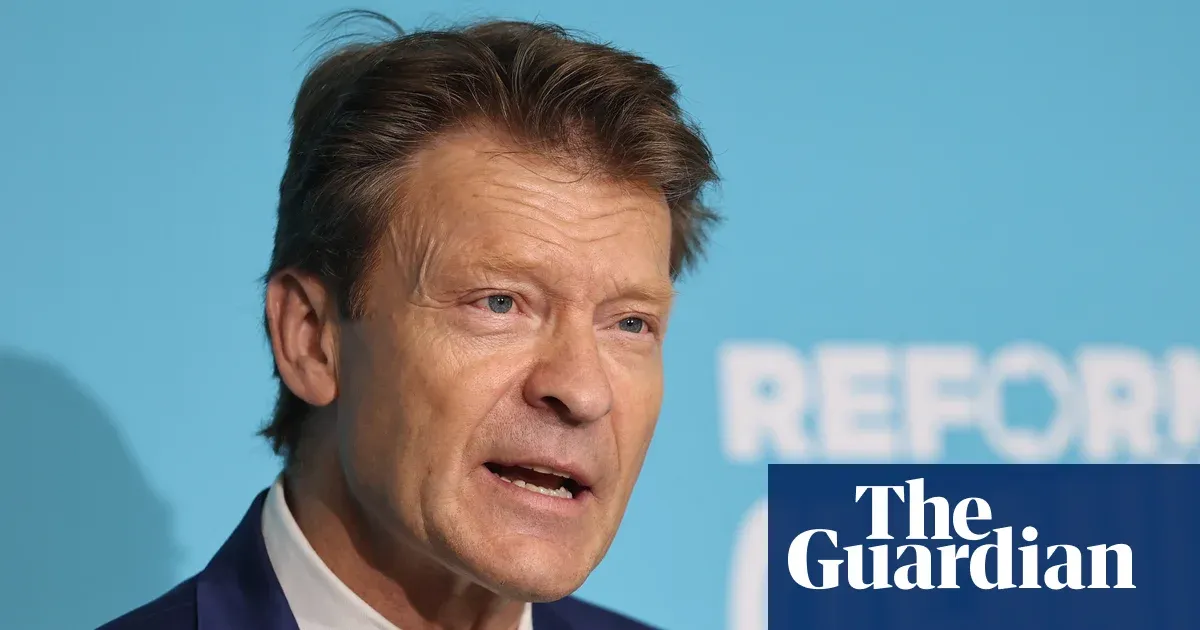
Standards watchdog opens probe into Reform UK deputy leader Richard Tice over interests
The parliamentary standards commissioner says it began an investigation on 28 July into a possible undeclared interest.