
NBA’s top pick AJ Dybantsa nears $70M rookie pay as media deals pump salaries
Media-rights contracts with Amazon, Disney, and NBC have boosted first-round earnings, reshaping how executives model rookie payroll risk.
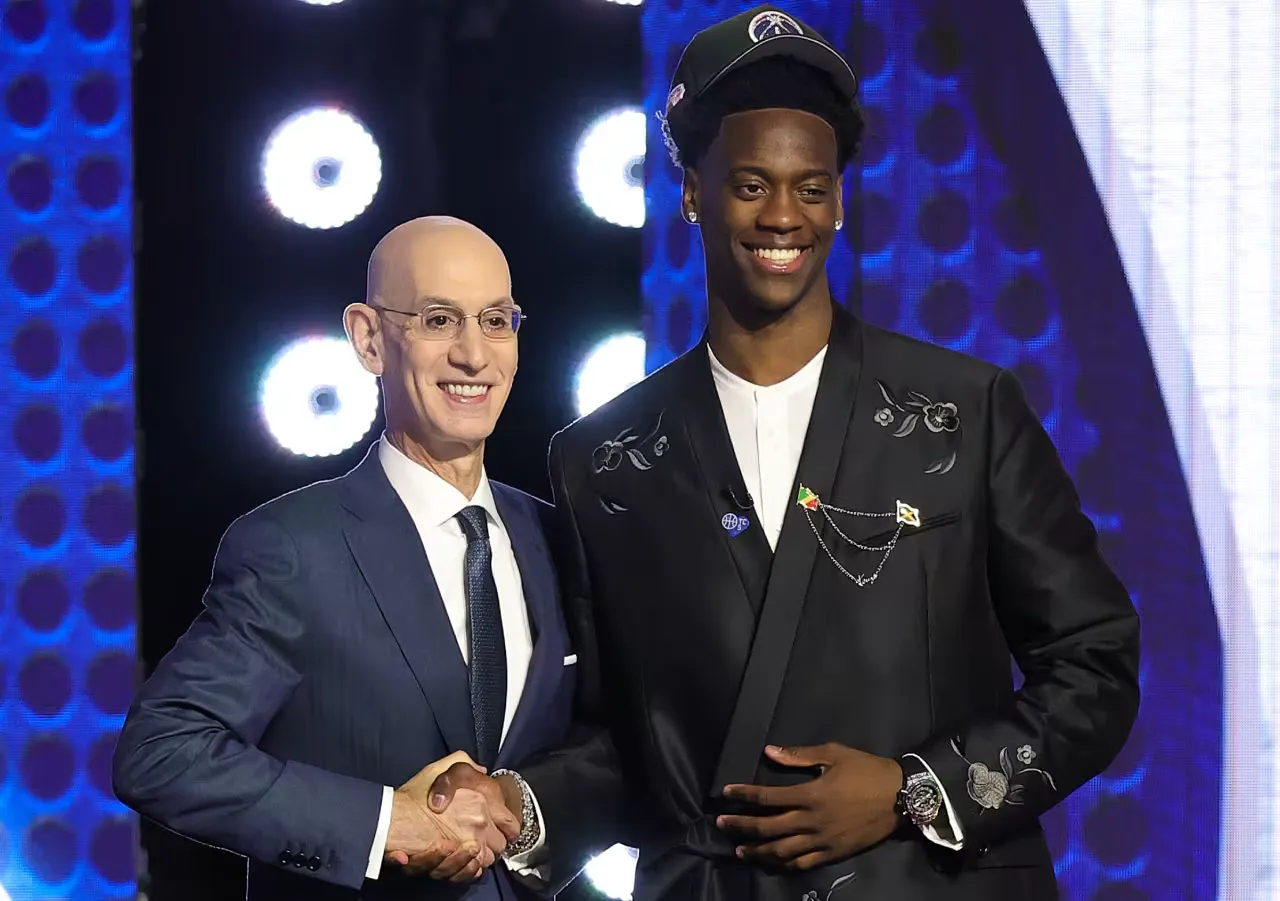
AJ Dybantsa, the No. 1 NBA draft pick, is set to earn nearly $70 million as NBA media-rights deals have increased rookie pay, according to the MarketWatch report. For decision-makers, the shift changes the economics of signing and budgeting for young talent tied to league-wide revenue growth.
AJ Dybantsa, the No. 1 NBA draft pick, will make nearly $70 million. That headline number is not just a fun fact for draft-day followers, it is a signal about how the NBA’s revenue machine now flows straight into rookie contracts.
The “why” is where the real boardroom relevance lives. The MarketWatch piece ties the pay jump to the NBA’s media-rights deals, including agreements involving Amazon, Disney, and NBC. In other words, when the league gets more money from broadcasters and streamers, rookies do not just benefit indirectly. They get pulled into the upside through the structure of rookie earnings.
To understand why this matters to executives, start with the incentive chain. Media-rights deals are typically among the largest and most predictable revenue streams for major sports leagues because they monetize eyeballs at scale. When the NBA’s distribution rights get valued higher, the league’s overall revenue pool grows. Over time, that creates room for higher rookie compensation, particularly for the players who capture the league’s marketing attention early, like the top draft pick.
This is also why the “nearly $70 million” story reads differently than the older versions of rookie pay coverage. In past cycles, rookie contracts were often talked about as talent acquisition costs that you could roughly estimate and then forget. But when league media contracts expand, rookie pay becomes more sensitive to macro changes in media economics, including streaming competition and the economics of sports as a subscription driver. For front offices and finance teams, that means budgeting has to track not only player performance, but also the market value of the league’s content.
There is a second-order effect boards and senior leaders should care about: the precedent. Once first-round picks see large numbers attached to them, it can tighten expectations across the entire talent pipeline. Teams still manage their own salary structures and cap strategies, but the league-wide changes in rookie pay can raise the baseline for what players, agents, and fans think “market value” looks like for new entrants. That can influence contract negotiations even beyond the obvious rookie class, because early career economics often set reference points.
Now add the governance layer that typically sits behind these revenue and pay relationships. League-wide media deals are usually the product of collective negotiations across many teams, with the league setting the terms and distributing revenue according to established frameworks. The point here is not that one team negotiated with Amazon or Disney on its own. It is that the collective media-rights landscape, once it shifts upward, can propagate into player pay rules. That turns what might look like a media business story into something teams feel immediately on their roster decisions.
Finally, there is strategic pressure for executives who oversee cap planning and long-term team building. Higher rookie pay does not automatically mean a team should do anything differently, but it changes the risk math. If the top pick is “nearly $70 million” because media rights are increasing rookie pay, then the league’s revenue trajectory becomes more tightly linked to payroll decisions at the start of a player’s career. That can affect how aggressively teams prioritize scouting, how quickly they integrate rookies into rotations, and how they think about return on investment when development time overlaps with higher guaranteed dollars.
In short: the AJ Dybantsa near-$70 million figure is the visible headline, but it is the media-rights pipeline underneath that makes it consequential. For executives managing both competitive and financial performance, the lesson is simple. When Amazon, Disney, and NBC-style deals lift league revenue, rookie compensation can rise with them, reshaping how teams plan, negotiate, and compete with the next generation of stars.
This story's Key Insights and Take-aways are locked.
Create a free account to unlock Executive Actions for one credit.
Register to UnlockAlways free for Executives Club members. Join the Club
More in Entertainment

Russell Brand's accuser 'bewildered and confused' as he denies 7 sex charges
The criminal case against the comedian is a live test of how media companies manage talent risk when serious allegations go public.

'It's a Magic Trick': Ballet Experts Say Rosalía's SNL Pose Is Impossible
Three ballet experts tell Rolling Stone Rosalía's gravity-defying SNL stillness shouldn't be possible - and why the debate is now part of the show.

Activision CMO: GTA 6 Will Boost Call of Duty, Not Bury It
Activision's top marketer says Rockstar's blockbuster will drive players back to consoles and into Modern Warfare 4, even as the company admits its recent strategy failed.