
Nearly $1T tech dumped midday, then the market rotated into peanut butter and paint
The Parabolic 7 chip selloff reversed fast, while money found ballast as SpaceX IPO week and rate-cut timing loomed.
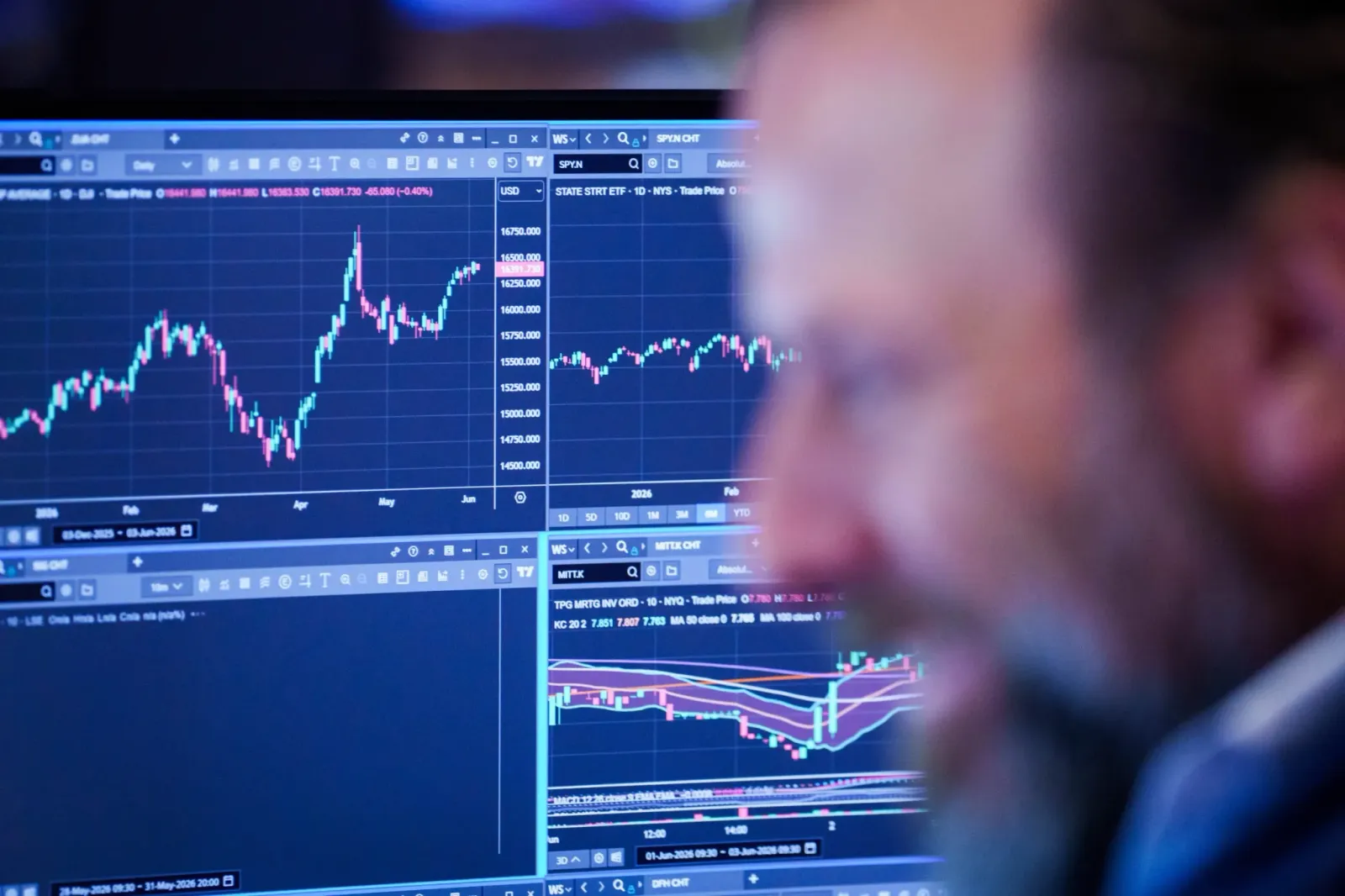
By midday, Wall Street sold down tech and chipmakers tied to the “Parabolic 7,” including Strategy (MSTR), AppLovin (APP), Lumentum (LITE), and Marvell. By the close, the rout was clawed back as the Nasdaq V-logged and capital rotated into staples, real estate, and utilities.
Today the Nasdaq Composite did something markets love and traders hate: it looked like a rout, then it snapped back. By lunchtime, the index was down more than 4%, and by the close it finished down about 1%. The headline moment was the tech selloff by midday, driven by a midday panic in higher-beta, AI-linked names, including the “Parabolic 7” chip and semis complex that had been running hard.
Around noon, the AI jitters returned and traders dumped the frothier, more volatile parts of the trade. The list included Strategy (MSTR), the leveraged Bitcoin vehicle that had popped Monday; AppLovin (APP); and photonics maker Lumentum (LITE). But the densest cluster of damage was the chipmakers. Marvell slid about 10% on the day after it had jumped about 10% following news it is joining the S&P 500. The broader framing was strategist Ben Emons’ “Parabolic 7,” a chip index that had run up nearly 100% in just a few weeks. The market wasn’t only saying “we’re selling tech.” It was saying “we’re de-risking this crowded momentum pocket right now.”
Here is the part decision-makers should care about. This wasn’t an evacuation from equities. Treasuries barely moved, which matters because when rates are suddenly repriced, you usually get a bigger, more persistent risk-off wave. Instead, the action was a rotation: money fled the highest-beta corners of tech, then parked itself in “dullest” sectors that have historically acted like ballast against the kind of AI-induced volatility that sends investors checking their screens every 30 seconds.
By the end of trading, the defensive bid showed up clearly. Real estate, staples, and utilities finished up. In consumer plays, Smucker jumped double digits. Home Depot and Sherwin-Williams led. The logic is spelled out by Richard Steinberg, senior global market strategist at Focus Partners Wealth, who told The Wall Street Journal that the flow looked like money moving into consumer names that had been unwanted and unloved. In other words, investors weren’t abandoning risk entirely. They were swapping one kind of risk for another: less volatility, fewer “parabolic” expectations, more survivability.
What caused the switch is less “one smoking gun” and more “multiple pressure points landing around the same time.” One reason Wall Street might want out of chips is simply that the market has to make room for SpaceX, set to be the largest IPO ever on Friday. Fortune notes that OpenAI and Anthropic have both confidentially filed as well, and that backdrop of mega-cap, high-attention listings can change how capital is allocated in the short term. If you are a fund manager or a board member tracking performance, this is not just trivia. It is a mechanical reality: when the calendar fills with headline-grabbing offerings, some positions become less of a priority.
There is also the supply-demand wrinkle around SpaceX itself. Fortune reports that SpaceX is already oversubscribed, with multiple $10 billion orders in. That suggests this is not a simple story of “no one wants the IPO.” Instead, it is more like capital is being tugged between competing narratives, and the chips trade may not be the trade to keep when the next auction for attention and liquidity is about to open.
Timing risk may have played a role too. This week includes inflation data landing Wednesday and Thursday. A strong May jobs report last week has already pushed expectations for rate cuts further out. Funds typically do not want to sit in the most crowded, highest-beta positions right before a macro data release that could shift the Fed’s path. The market can handle volatility when it is predictable. It struggles when the Fed script might change mid-sentence.
But the most interesting structural explanation is about market mechanics, not just narratives. Fortune includes a view from Annex Wealth Management’s Brian Jacobsen, who described the move as buyers stepping back rather than a rush for the exits. He said the price dropped faster than the volume would suggest. That distinction matters: if the selling is driven by an absence of buyers, not panic selling, then rebounds can happen quickly once liquidity returns. In fact, that is what happened: the midday rout looked like it had momentum, then it reversed by the close.
Outside equities, oil added another layer of “why now?” Iran remains a live geopolitical variable. Fortune reports that President Donald Trump said the U.S. would have to respond to Iran’s downing of a U.S. Army Apache helicopter near the Strait of Hormuz. Even with that, crude fell about 3% to roughly $88, and the energy secretary said traffic through the Strait was picking up meaningfully. That combination is another reminder: markets can discount the immediate headline if they believe the supply picture is shifting.
So what does this mean for the bigger question investors are now asking: is this a longer pop in crowded AI-linked trades, or just a one-time correction? Fortune frames the next “best information” as coming when SpaceX debuts, because that is when public capital has to decide whether the AI story deserves its current valuation and how much of the trade survives the calendar reset. For executives and boards watching tech performance, the strategic takeaway is blunt. The equity market can reprice fast, and it can reallocate faster. When a trade is crowded, even a small absence of buyers can create a midday-looking collapse. Then, if the narrative or liquidity shifts, it can claw it back just as quickly.
This story's Key Insights and Take-aways are locked.
Create a free account to unlock Executive Actions for one credit.
Register to UnlockAlways free for Executives Club members. Join the Club
More in Business

Anthropic’s Levant Alpöge cracks the Jacobian conjecture after 87 years
A Harvard valedictorian used Claude to hit a 1939 breakthrough, but the missing “why” is the real problem.

Uber buys Delivery Hero for nearly $15B, vaulting to top food delivery outside China
The deal doubles Uber's dual-services footprint and pushes a ride-and-eats bundling play into 50 more markets.

Epic and Google drop settlement bid, forcing rival Android app stores by July 22
Google told the court it is ready to carry third-party app stores starting Wednesday, July 22.