
Netflix builds its Philip K. Dick comeback, betting on its most ambitious sci-fi since the 2010s
The streamer is adapting an obscure Philip K. Dick story, and the stakes go beyond prestige sci-fi.
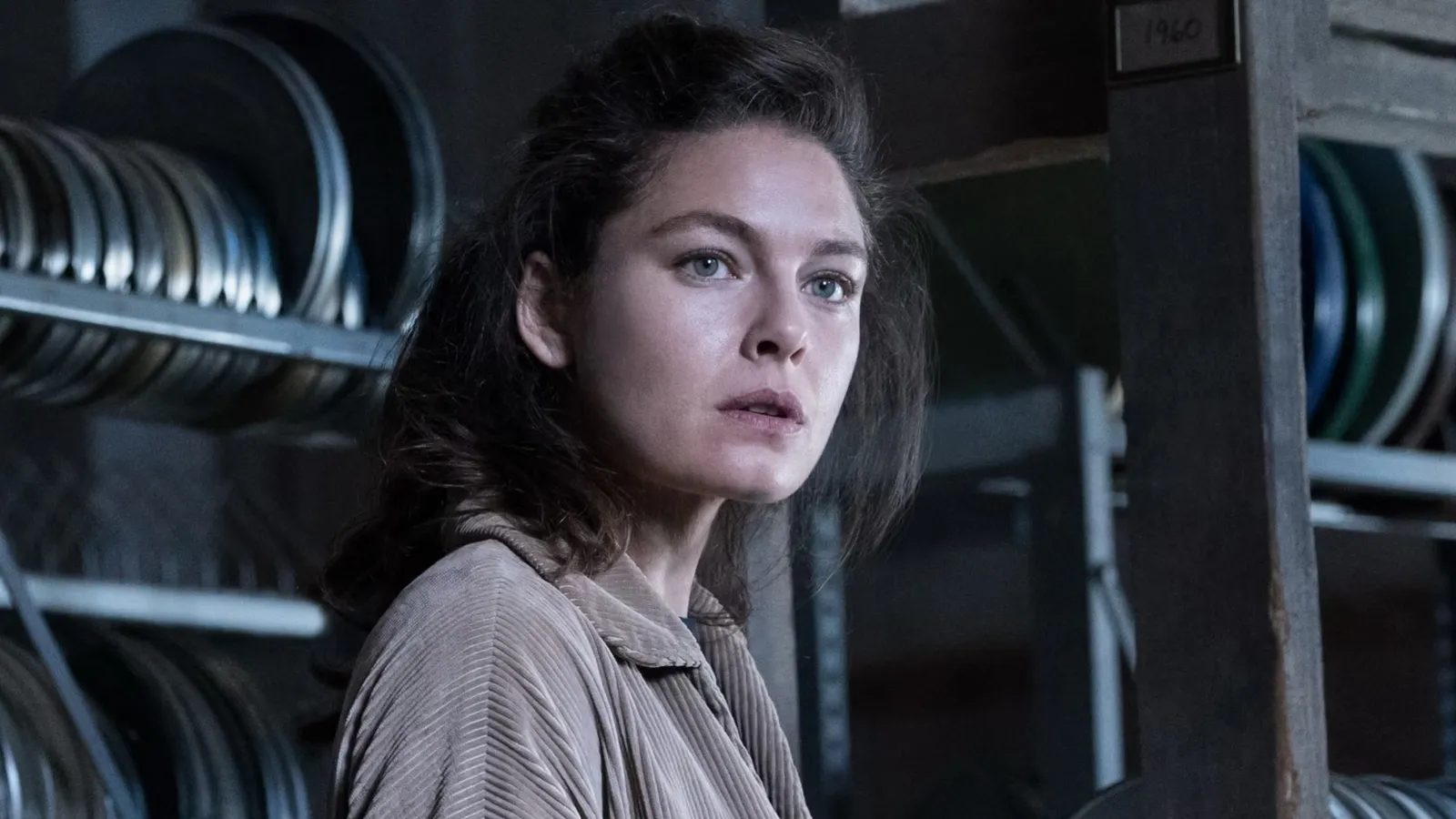
Netflix is developing a Philip K. Dick adaptation, positioning it as one of its most ambitious sci-fi shows of the decade. For decision-makers, it signals how Netflix may use high-concept IP to keep science fiction, and its audiences, from migrating elsewhere.
Netflix is developing a Philip K. Dick adaptation, and it already reads like one of the most ambitious sci-fi bets the streamer has made in years. The specific IP choice matters, because Philip K. Dick is basically the patron saint of slippery realities and unsettling “wait, what is real?” premises. That kind of storytelling is not just content. It is a template for audience attention.
Netflix is also not doing this in a vacuum. There was a time when Netflix was every bit as experimental with sci-fi as Apple TV, and it built a reputation in the 2010s for shows that felt less like television and more like mind experiments. The source points to Russian Doll, The OA, and Sense8 as examples of that era, and that context is the whole point. This adaptation is arriving with the brand expectation already attached: do something bold, weird, and mentally sticky. The question for executives is whether Netflix can recreate that “premium weird” that turned sci-fi into a differentiator, not a checkbox.
From an operator’s perspective, choosing an obscure Philip K. Dick story is a particular kind of risk management. Big, familiar IP can reduce uncertainty, but it also draws less hunger for creative interpretation. Obscure material can do the opposite: it invites a team to make the show feel like it belongs to Netflix, not like it is renting someone else’s audience. If you are a streaming platform trying to hold onto viewers who are hard to retain, “belonging” is the real asset. Netflix is betting that a Dick adaptation will create that sense, even if the source material is not widely known.
The Netflix brand history in sci-fi also matters for how this gets debated internally. In the 2010s, Netflix effectively proved it could bankroll ambitious, non-traditional genre shows. Russian Doll brought a new loop-based kind of narrative tension. The OA leaned into mystery and spiritual sci-fi. Sense8 turned science fiction into a character-driven mosaic about distance and empathy. None of these were “safe,” and the common thread is that they were built to reward attention. That kind of development tends to demand more coordination across creative leadership, production, and marketing, which makes the bar higher than typical genre programming.
There is also a competitive dynamic baked into the source’s framing. It explicitly compares Netflix’s experimentation to Apple TV, noting that Netflix “too” was not less experimental with sci-fi than Apple TV at one point. In other words, this is not just about whether a Dick adaptation can be good. It is about whether Netflix can keep pace with rivals in a format arms race where “serious sci-fi” is a strategic category. When one platform leans into high-concept storytelling, others feel pressure to respond, because audiences and creators start moving with the perceived center of gravity.
Regulatory background is not front and center in the source, but it still matters in the real world of premium streaming. Science fiction content can intersect with concerns around representations, mental health themes, and depiction of technology, especially when shows are intense, experimental, or surreal. That does not mean this adaptation is likely to face a specific regulator. It means executives generally have to assume that any standout show will trigger more scrutiny during production, marketing, and distribution, including country by country classifications. So when Netflix chooses something as mentally provocative as Philip K. Dick, it is also choosing a project that will likely require careful packaging for different markets.
The second-order implication for boards and decision-makers is straightforward: this is a test of whether Netflix can translate its 2010s sci-fi playbook into the current era. The market has changed, competition has intensified, and viewers have more options. A bold adaptation can drive new subscriptions and re-engage lapsed ones, but the bigger lever is retention. Shows like those highlighted in the source tend to develop cultural stickiness. Executives want that stickiness because it reduces reliance on constant acquisition.
If this Philip K. Dick adaptation lands as one of Netflix’s most ambitious sci-fi shows of the decade, it strengthens a strategic narrative Netflix can use internally and externally: the platform still treats sci-fi as a flagship genre, not a filler lane. And for executives across streaming, it serves as a quiet signal. When Netflix goes for “mind-bending” territory again, other platforms will have to decide whether to match the ambition, reposition their own genre bets, or accept that audience mindshare is moving.
This story's Key Insights and Take-aways are locked.
Create a free account to unlock Executive Actions for one credit.
Register to UnlockAlways free for Executives Club members. Join the Club
More in Entertainment

Russell Brand's accuser 'bewildered and confused' as he denies 7 sex charges
The criminal case against the comedian is a live test of how media companies manage talent risk when serious allegations go public.

'It's a Magic Trick': Ballet Experts Say Rosalía's SNL Pose Is Impossible
Three ballet experts tell Rolling Stone Rosalía's gravity-defying SNL stillness shouldn't be possible - and why the debate is now part of the show.

Activision CMO: GTA 6 Will Boost Call of Duty, Not Bury It
Activision's top marketer says Rockstar's blockbuster will drive players back to consoles and into Modern Warfare 4, even as the company admits its recent strategy failed.