
Netflix is developing an Inbetweeners reunion movie with the original lead cast returning
Variety reports Netflix is moving forward on a reunion film, with Simon Bird, Joe Thomas, Blake Harrison, and James Buckley attached.
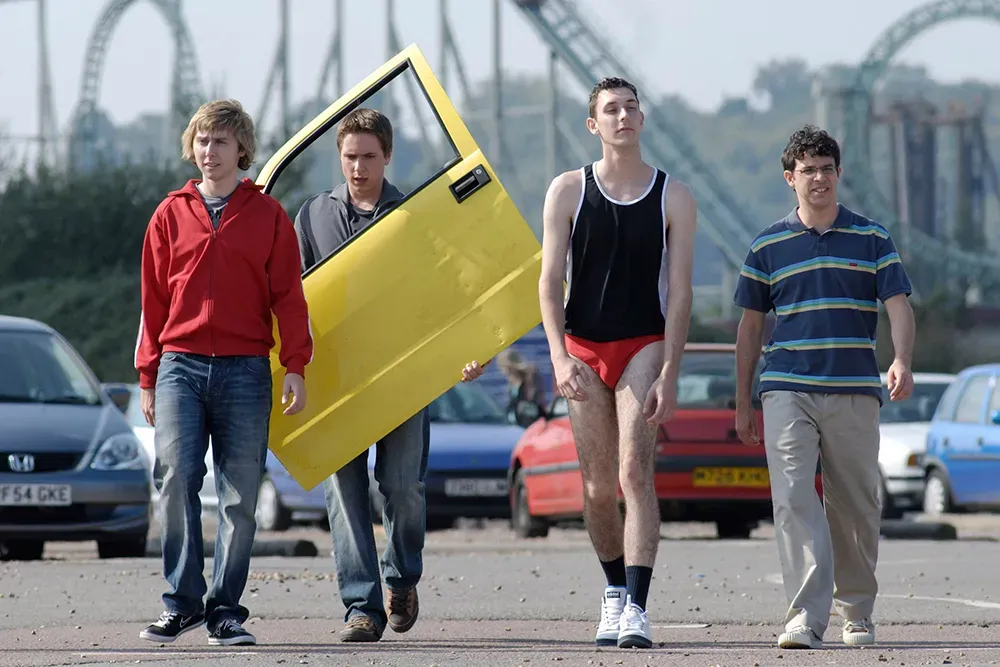
Netflix is developing a reunion movie for the hit British teen comedy series The Inbetweeners, Variety confirms. The original lead cast of Simon Bird, Joe Thomas, Blake Harrison, and James Buckley is understood to be attached.
Netflix is developing a reunion movie for The Inbetweeners, Variety has confirmed. The plan is to bring back the original lead cast, with Simon Bird, Joe Thomas, Blake Harrison, and James Buckley understood to be attached, though the report notes final details are still pending.
If you are an executive who cares about IP durability, this is the kind of signal that matters: Netflix is revisiting a late-2000s teen comedy with a built-in, pre-Netflix fanbase. The show was a hit in the UK, and it later spawned two successful spin-off films, which means this is not just nostalgia bait. It is a franchise asset Netflix can package as an event, then scale globally through its distribution machine.
The strategic logic is straightforward but often overlooked. Streaming platforms do not just buy shows, they buy audience memory. The Inbetweeners already demonstrated it could travel from TV to movies via its earlier spin-offs. That matters because the economics of reunion projects hinge on reducing uncertainty: you already know the brand can generate attention beyond the original release window, and you already know there is a pathway from episodic comedy to longer-form theatrical-style storytelling.
Reunion movies also shift internal incentives. A Netflix series tends to live and die by performance metrics episode to episode, but a film is typically positioned as a tentpole. That changes what stakeholders ask for. Content teams push for attached talent because it tightens the marketing story: the cast returning is a hook you can sell without over-explaining the concept. Business teams push for IP that can convert lapsed fans, not only net-new subscribers. And executives tend to favor properties that come with fan communities that will amplify organically once a release date is plausible.
It also matters that Variety frames this as “in the works,” with the cast “understood to be attached” and “final” details not yet confirmed in the excerpt. In Hollywood deal-making, that phrasing is a reminder that attachments are meaningful but not final until contracts close. For decision-makers, the operational takeaway is risk management. Reunion projects can be derailed by scheduling, creative alignment, or compensation negotiations, and the difference between “attached” and “locked” is where budgets and timelines get protected or blow up.
There is a broader industry context here too. The UK entertainment market has spent years learning how to export British comedy. When a global streaming platform revisits a British IP with UK-origin talent, it is effectively betting that humor, characters, and cultural specificity can still translate at scale. Netflix has built a track record around local content that becomes international, but a reunion film adds a twist: it is not asking audiences to discover the world from scratch. It is asking them to remember it, which raises both upside and expectations.
For executives at other streamers, this creates a benchmark pressure. If Netflix can successfully relaunch a recognizable comedy franchise with original cast involvement, it raises the bar for what “event entertainment” means in a crowded slate. It can also intensify competitive copying across studios and agencies, because talent attachments are the currency that signals seriousness. If you are running programming, production, or partnerships, you cannot ignore what happens when a platform turns a known, previously successful IP into a renewal narrative.
Finally, the deal dynamics of cast returning are a tell about how Netflix thinks about long-term audience value. Bringing back Simon Bird, Joe Thomas, Blake Harrison, and James Buckley is not just casting. It is brand continuity. In projects like this, continuity can lower marketing friction and reduce the chance that the audience feels like they are watching a “rehash.” The strategic stakes are simple: if the reunion lands, Netflix strengthens the case that it can revive culturally specific franchises globally. If it misses, it is not just another film. It becomes a cautionary tale about the limits of nostalgia as a business model.
This story's Key Insights and Take-aways are locked.
Create a free account to unlock Executive Actions for one credit.
Register to UnlockAlways free for Executives Club members. Join the Club
More in Entertainment

'It's a Magic Trick': Ballet Experts Say Rosalía's SNL Pose Is Impossible
Three ballet experts tell Rolling Stone Rosalía's gravity-defying SNL stillness shouldn't be possible - and why the debate is now part of the show.

Activision CMO: GTA 6 Will Boost Call of Duty, Not Bury It
Activision's top marketer says Rockstar's blockbuster will drive players back to consoles and into Modern Warfare 4, even as the company admits its recent strategy failed.
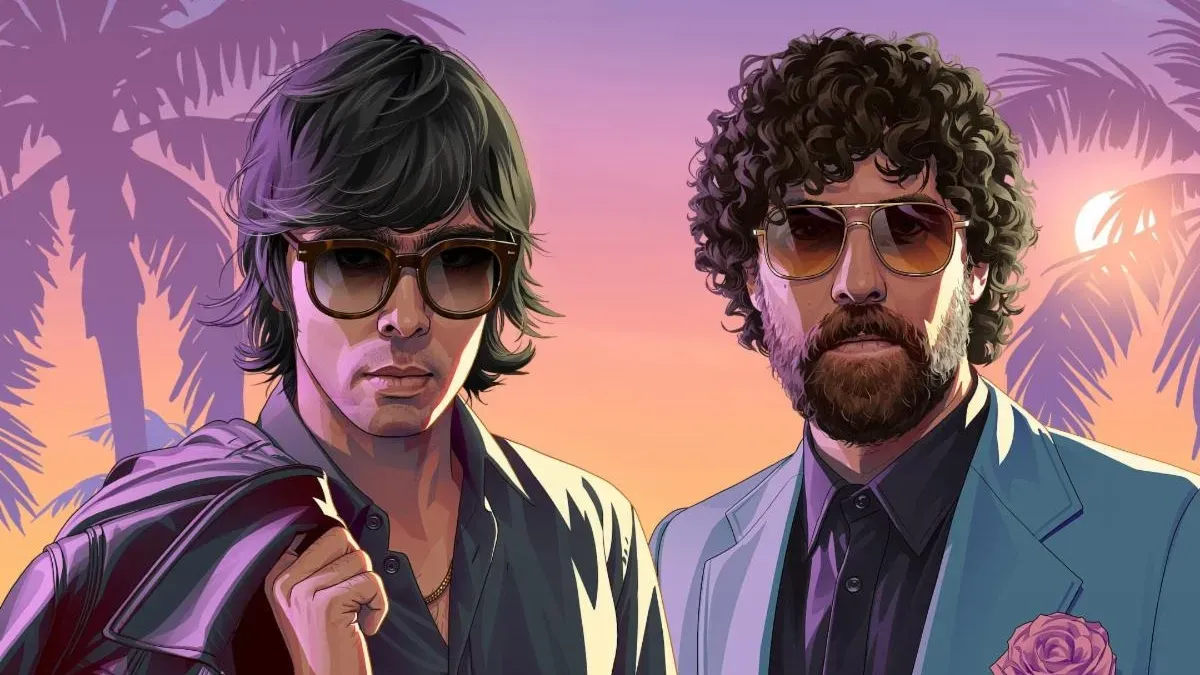
Justice to Score GTA 6, Share New Song with Tame Impala, SZA, King Gizzard
Rockstar taps the French duo for the GTA VI score, and the first taste is a genre-melting collab with Tame Impala, SZA, and King Gizzard & The Lizard Wizard.