
Netflix nearly killed Michael Jackson: The Verdict marketing over estate lawsuit fears
Variety reports the streamer weighed pulling a release a week early, then backed a planned rollout.
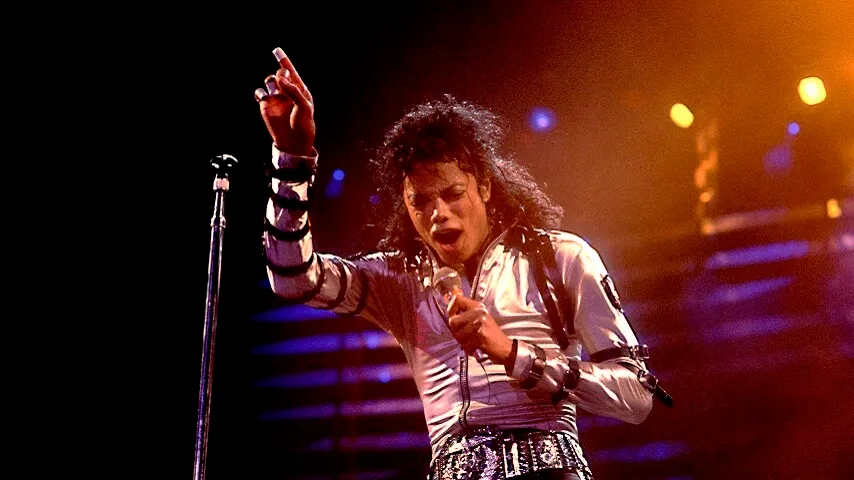
Netflix reportedly had second thoughts about Michael Jackson: The Verdict just a week before release, according to Variety, citing fears of a lawsuit from the Jackson estate. For decision-makers, the story is a live stress test of how legal risk, marketing strategy, and platform incentives collide.
A week before Michael Jackson: The Verdict debuted, Netflix reportedly got cold feet about releasing its three-part docuseries at all. Variety reports the streamer feared reprisals not from fans, but from the Jackson estate, specifically worrying about getting hit with legal action from a party with “financial muscle.”
Per Variety’s sources, this anxiety drove what looked like a major operational reversal: Netflix allegedly moved toward “no marketing and no publicity,” and the documentary itself reportedly wasn’t announced until two weeks before its debut and wasn’t screened for critics. In other words, the question was not whether the doc existed. It was whether Netflix would treat it like a product worth pushing, or a liability worth quietly hiding.
If you are wondering how a streaming platform can be “getting cold feet” while preparing to release a mainstream series, the source lays out the incentives pretty clearly. Netflix’s public denial is doing one job, and the alleged internal calculus is doing another. Netflix officially denies Variety’s account, with a spokesperson telling the trade: “Characterizations that Netflix reconsidered the release or changed course because of outside pressure are inaccurate.” The spokesperson adds that “The series launched as planned and reached the Netflix Top 10 for three weeks.” That is the official story, and it matters for how investors, regulators, and the public interpret Netflix’s risk posture.
But Variety’s framing is still important because it points to the lever that could have changed the outcome even if the series went live anyway: marketing and publicity. Those are not cosmetic decisions in streaming. They are the allocation of attention, the management of audience expectations, and a real-world signal to platforms and partners about what is safe to promote. If Netflix thought the estate could respond with litigation, then the “marketing and no publicity” version of events would make sense as a way to lower exposure while preserving optionality. Even if a show cannot be stopped legally, its commercial velocity can be affected.
And the estate’s history is part of why Netflix would allegedly worry. The source notes that the Jackson estate has a record of being litigious about works criticizing the late King of Pop. It offers a recent example chain that helps explain the fear. In 2024, HBO pulled Leaving Neverland from its service. The reason was a 30-year-old non-disparagement agreement between the Jackson estate and HBO. Before that, the estate sued ABC over its 2018 documentary The Last Days Of Michael Jackson. None of this proves what Netflix faced, but it does supply context for why “a lawsuit from the estate” might feel like the kind of risk that is hard to price.
There is also the meta angle that boards and general counsels tend to care about: platform behavior under uncertainty. According to Variety, Netflix’s documentary was not announced until two weeks before its debut and was not screened for critics, both of which can be interpreted as cautious positioning. If those are true, they reflect a posture where external legal exposure influences internal go-to-market timing. That posture can also affect relationships with critics, media outlets, and partners, because journalists expect access and timelines, and those expectations can collide with legal caution.
Netflix’s official pushback, however, changes the interpretation. The spokesperson says there was no outside-pressure reconsideration, and that the series launched as planned and reached the Netflix Top 10 for three weeks. That is a direct rebuttal of the “second thoughts” narrative. Still, the presence of two competing accounts means the real lesson is not just “what Netflix did.” The lesson is what decision-makers should assume can go wrong when a streamer navigates high-profile legal and reputational risk.
For peers, the second-order implications are uncomfortable but actionable. Streaming companies operate on schedules, and marketing is part of how schedules turn into subscriber retention and algorithmic discovery. When legal risk enters the room, the question becomes how to reduce tail risk without throttling the business. The source also closes with a reminder that HIStory continues with Michael: Part Two is legally barred from discussing any of this, a detail that underscores how legal constraints can also shape the boundaries of future content.
So while Netflix says the release went forward as planned, Variety’s account describes a moment when the platform may have reconsidered how aggressively to push a story tied to one of pop culture’s most litigated legacies. Either way, the stakes for executives are the same: how you handle legal threats affects not only court calendars, but marketing plans, critic relationships, and the time-to-discovery that can determine whether a documentary becomes a cultural moment or a forgotten release.
This story's Key Insights and Take-aways are locked.
Create a free account to unlock Executive Actions for one credit.
Register to UnlockAlways free for Executives Club members. Join the Club
More in Entertainment

'It's a Magic Trick': Ballet Experts Say Rosalía's SNL Pose Is Impossible
Three ballet experts tell Rolling Stone Rosalía's gravity-defying SNL stillness shouldn't be possible - and why the debate is now part of the show.

Activision CMO: GTA 6 Will Boost Call of Duty, Not Bury It
Activision's top marketer says Rockstar's blockbuster will drive players back to consoles and into Modern Warfare 4, even as the company admits its recent strategy failed.
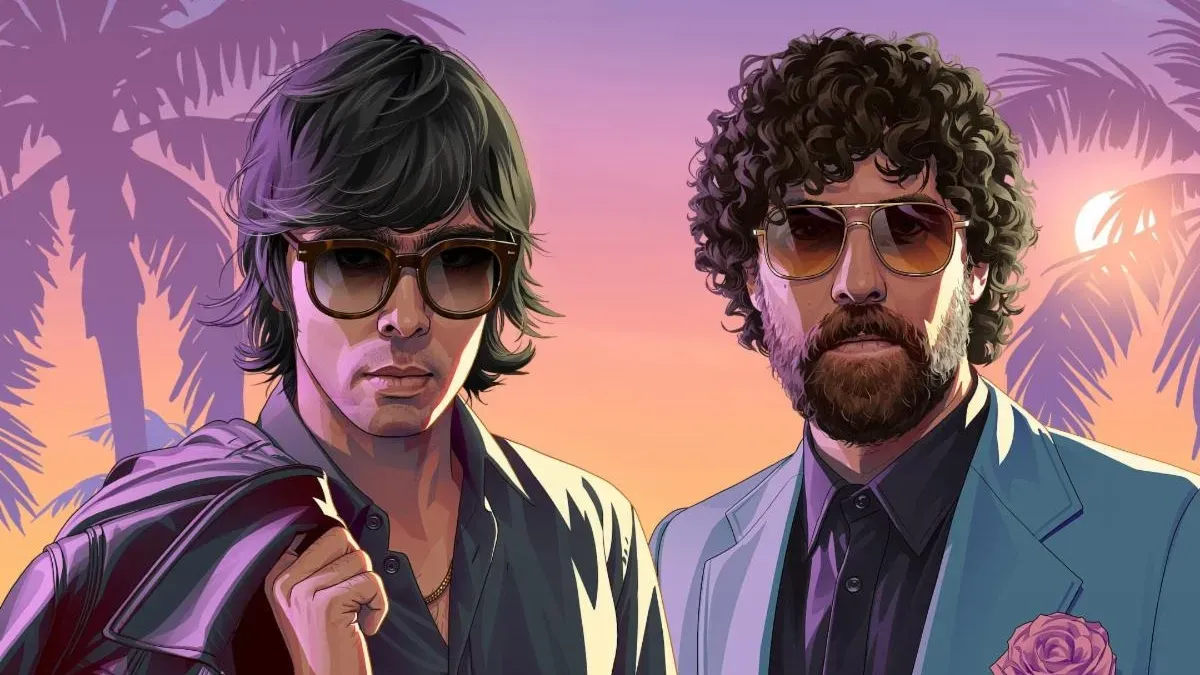
Justice to Score GTA 6, Share New Song with Tame Impala, SZA, King Gizzard
Rockstar taps the French duo for the GTA VI score, and the first taste is a genre-melting collab with Tame Impala, SZA, and King Gizzard & The Lizard Wizard.