
Netflix Posts Strong Profits, Then Cuts 1,000 Jobs and Fires Its Content Chief
The streaming giant's sudden layoffs and executive ouster reveal a company scrambling to reassure investors as engagement and stock price slide.
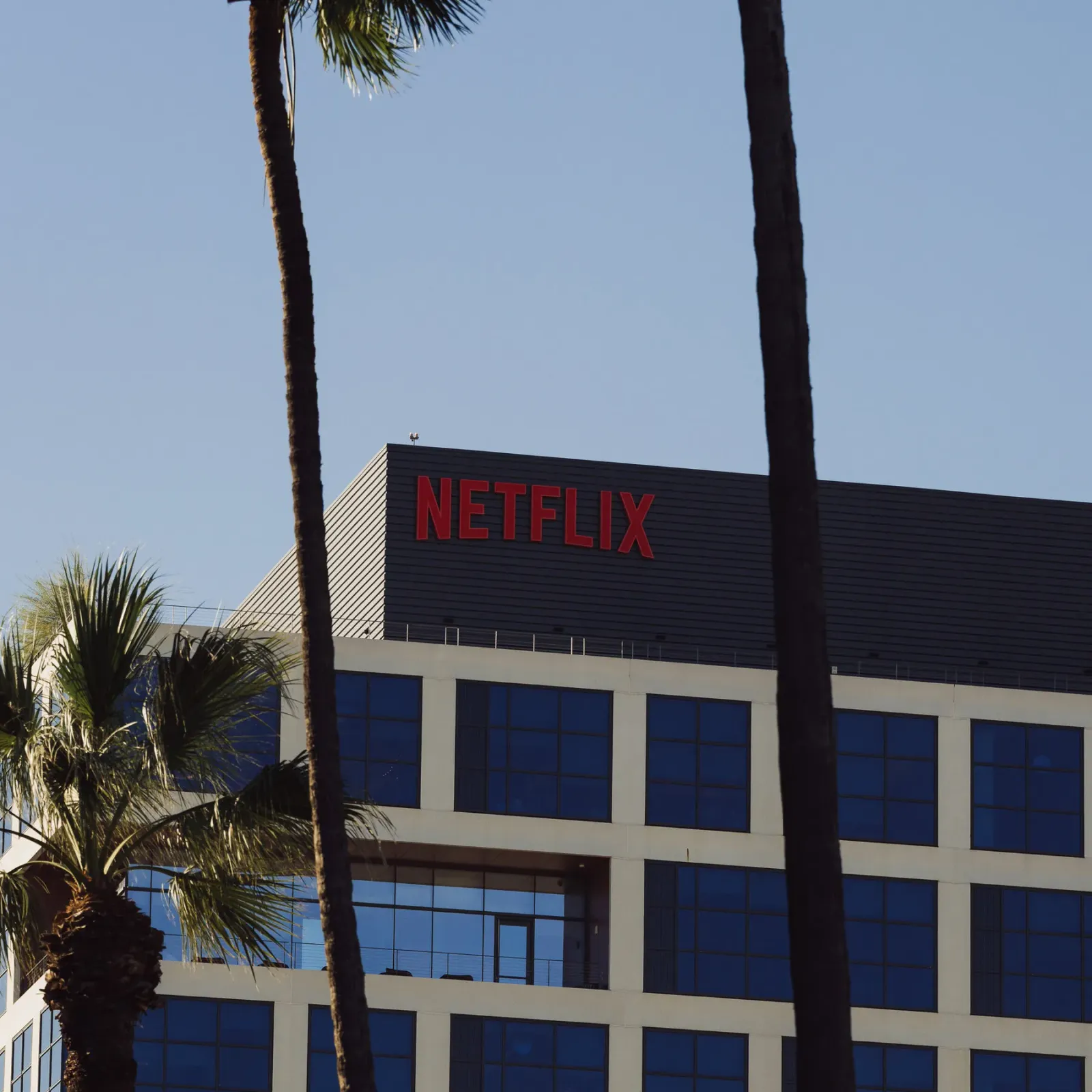
Netflix, despite reporting strong revenues and profits, cut 1,000 jobs and removed its chief content officer as its stock price and viewer engagement declined. For decision-makers, the move signals that even profitable streaming leaders are bracing for a slower-growth era and will make aggressive cost and leadership changes to protect investor confidence.
Netflix just delivered a paradox that has Wall Street paying attention: the streaming giant reported strong revenues and profits, then promptly cut 1,000 jobs and jettisoned its chief content officer. The sudden moves, reported by The New York Times, come as the company's stock price and viewer engagement have both dropped, forcing leadership to hurry and rewrite its narrative to investors. The layoffs and the abrupt exit of the company's top content executive are not a sign of financial distress. Netflix's income statement remains healthy. But the market is no longer rewarding the old story of endless subscriber growth. With engagement softening and the share price sliding, Netflix is signaling that it will make painful changes to protect its future, even if the present looks fine. For years, Netflix's narrative was simple: add subscribers, dominate global entertainment, reinvest everything back into content. That narrative has cracked. The company is now shifting toward a message of efficiency and profitability, and the job cuts, roughly 1,000 roles, are a deliberate, visible step to show investors that management is serious about cost discipline. Removing the chief content officer, the executive who oversaw the programming strategy that defined the streaming era, is an even louder signal: no role is safe when the story changes. The chief content officer has been central to Netflix's identity, responsible for the slate of original shows and films that turned the company into a cultural force. The decision to remove that person, despite strong financial results, suggests that Netflix is worried about the health of its content engine, not just its stock price. It also raises questions about the future direction of the company's programming: will it double down on big bets, or shift toward a more curated, cost-conscious approach? The answer will shape the streaming landscape for years. Netflix's move is part of a broader reckoning across the streaming industry. For context, the sector spent years prioritizing subscriber acquisition over profits, spending heavily on content to win market share. That era is ending. As growth slows in mature markets and competition intensifies, streaming companies are being forced to pivot toward profitability and operational discipline. Netflix, as the market leader, is now setting the tone for how that pivot should look, and it is a sharp one. For executives and boards in any industry, the lesson is direct: strong current financials do not protect you from a weak forward narrative. If the metrics that signal future demand, such as engagement, user growth, or pipeline health, start to slide, the market will punish you regardless of your profit and loss statement. The smart move is to act before the stock price forces you to. Netflix's leadership is doing exactly that, and the speed of the changes suggests they believe the window for action is narrow. The coming quarters will determine whether Netflix's cost cuts and leadership shake-up can stabilize engagement and restore investor confidence. The company's content strategy, pricing power, and international growth will all be under the microscope. For now, the message is unambiguous: Netflix is willing to break its own mold to protect its future, and it expects the rest of the industry to take note.
This story's Key Insights and Take-aways are locked.
Create a free account to unlock Executive Actions for one credit.
Register to UnlockAlways free for Executives Club members. Join the Club
More in Business

Elon Musk unveils a flying car, and SpaceX helped build it
The Tesla CEO's showcase at a SpaceX facility signals a future where road and rocket engineering converge.

Apple's $2,000 iPhone Duo opens preorders, taking on Samsung and Google
Apple's first foldable hits the market at a premium price, reshaping a category Samsung and Google have led.

Pope Leo XIV, first American pope, diagnosed with lung cancer
The 71-year-old Chicago-born pontiff underwent successful surgery on his right lung, and his diagnosis raises new questions about his AI-focused papacy and the Vatican's future.