
Netflix revives Tyler Perry's 19-year-old franchise, Why Did I Get Married?, in 2026
Perry's long-running brand returns as Netflix renews a proven formula for subscriber stickiness and global reach.
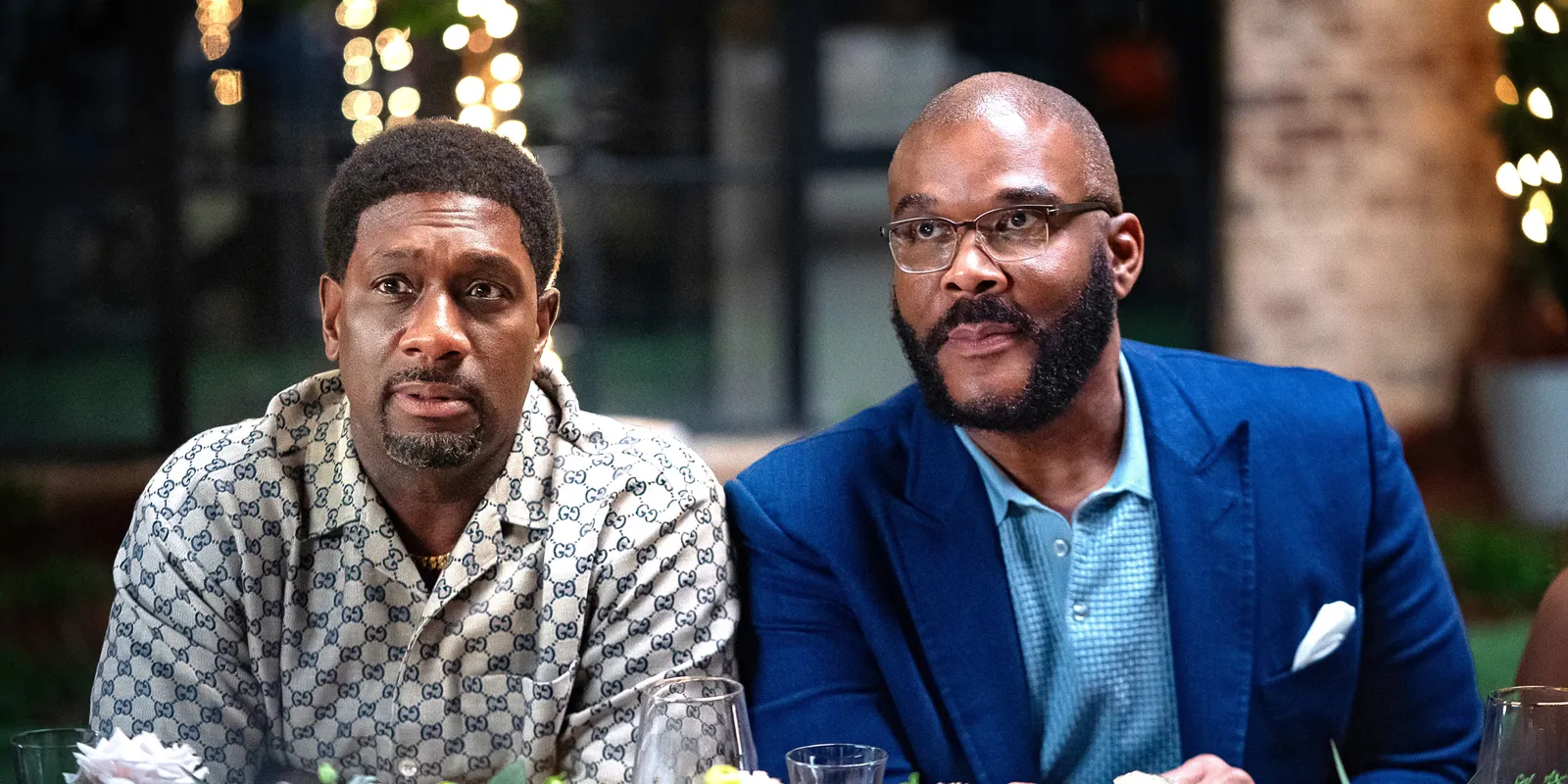
Tyler Perry's 19-year-old franchise, Why Did I Get Married?, is returning with a new installment on Netflix in 2026. For decision-makers, it reinforces how Netflix is betting on Perry's established audience and scalable production engine.
Tyler Perry’s 19-year-old franchise, Why Did I Get Married?, is officially coming back to Netflix in 2026 with a new installment. The big point here is not just nostalgia. It is a deliberate move to re-activate an IP that has already proved it can pull audiences through multiple eras of streaming behavior.
This matters because Perry is not a passive licensing partner. The source frames him as a creator with a massive deal with Netflix, where he writes, directs, and executive-produces projects for the streamer. Through this deal, Perry has delivered major hits including The Six Triple Eight, Madea's Destination Wedding, and Straw, plus the global streaming sensation Beauty in Black. In other words, Netflix is not gambling on an unknown quantity. It is leaning into a track record that already sits inside the streamer’s own performance history.
Zoom out and the strategic logic gets clearer. Streaming platforms compete on retention as much as acquisition, and long-running franchises are one of the most reliable ways to keep viewers anchored. When a streamer revives an older brand, it is often trying to bridge two audiences at once: the original fans who want the next chapter, and newer viewers who discovered Perry’s catalog through later hits. That dual reach can be especially valuable now because every platform is fighting for the same finite behavior: how much time subscribers spend watching before churn drivers kick in.
Netflix’s incentive structure also explains why Perry’s model is attractive. According to the source, Perry writes, directs, and executive-produces under his Netflix deal. That kind of creative control can reduce friction and speed decision-making, which is a real operational advantage in an industry where production schedules, casting availability, and post-production capacity can create delays. It also keeps the creative “voice” consistent, which is critical when you are resurrecting something as specific as a franchise that has lived for 19 years.
There is also a second-order implication for boards, investors, and competitors watching the market signals. When Netflix commits to new installments tied to a creator’s long-standing franchise, it effectively tells the ecosystem that premium, creator-led IP is still the safest path to both global reach and brand recall. Other streamers can still launch originals, but the Perry track record referenced in the source is a reminder that audiences do not just follow marketing. They follow familiarity, tone, and proven storytelling frameworks.
From a regulatory or policy standpoint, there is no new rule cited in the source, but the context is worth noting for decision-makers. Streaming content rights and distribution decisions sit under continuing national and regional frameworks for media regulation, labor practices, and platform responsibilities. While this particular update is about a Netflix release timeline, the broader governance environment is part of why studios and platforms often favor partners with established production workflows. If you already know the production pipeline works at scale, the operational risk is lower, even when external rules and requirements shift.
For executives at other entertainment companies, the move is a reminder that IP longevity is becoming a competitive asset again. The headlines might feel like a simple programming update, but it is actually a strategic bet: Netflix believes this franchise can still earn attention now, not just later in a catalog binge. For leadership teams, the question is not whether the brand is old. It is whether the streamer can translate that legacy into measurable viewing behavior in 2026 and beyond, using a creator who, per the source, has already delivered hits across Netflix’s lineup.
This story's Key Insights and Take-aways are locked.
Create a free account to unlock Executive Actions for one credit.
Register to UnlockAlways free for Executives Club members. Join the Club
More in Entertainment

12TB Steam 'teraleak' goes beyond Valve: GTA 3, Mafia 2 prototypes exposed
A 12-terabyte dump of Steam data reveals prototypes and builds of third-party classics like GTA 3 and Mafia 2, plus unreleased Valve content, rewriting game history.

LinkedIn's romance problem: 1 in 4 workers say dating on it is fair game
A new survey shows a quarter of U.S. employees treat the professional network as fair game for romance, even as LinkedIn bans it and removes hundreds of thousands of offending posts.

Enhypen's first No. 1 album breaks K-pop's Billboard 200 streak
The K-pop group's 98,000-unit debut tops the chart while Dolly Parton's catalog reentry shows how death reshapes streaming.