

Netflix’s The Boroughs hits a new viewership milestone, but isn’t Stranger Things 2.0
The Spielberg-flavored eight episodes are praised, yet they have not “broken out” like the Duffer Bros did before.
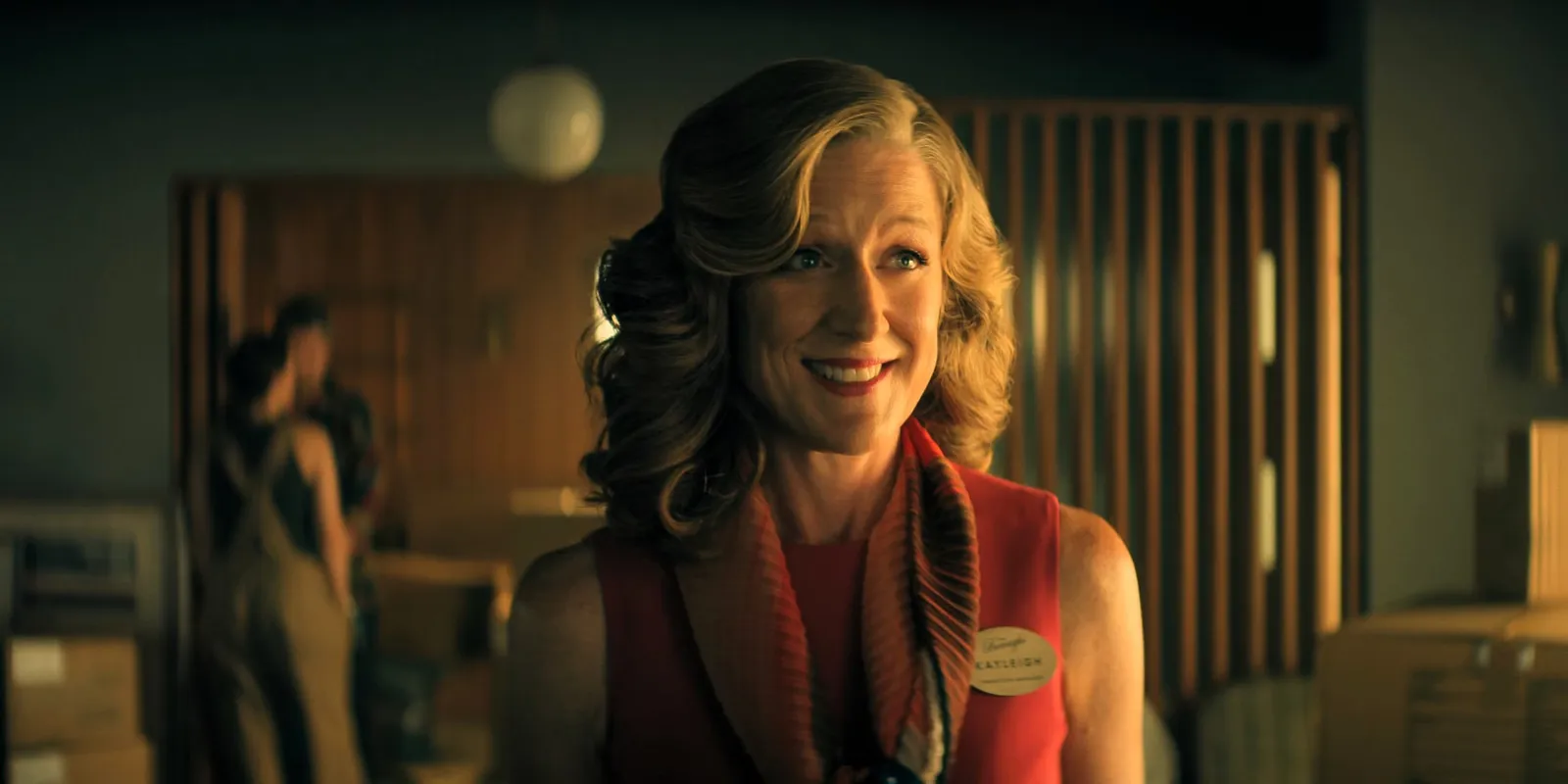
Netflix’s eight-part sci-fi series The Boroughs, executive produced by the Duffer Brothers, has passed a new viewership milestone after a month. Decision-makers should note the gap between critical acclaim and breakout scale, even with Spielberg-level creative gravity in the same release window.
Netflix’s recently released sci-fi series The Boroughs has passed a new viewership milestone after a month. But the key wrinkle is that the show is not delivering the same kind of runaway, world-becomes-Netflix’s-everything energy that the Duffer Brothers’ earlier platform hit, Stranger Things, did.
That contrast matters right now because the release calendar includes Steven Spielberg’s first sci-fi movie in nearly a decade, Disclosure Day. The film debuted theatrically this past week and, on the strength of positive reviews, has already grossed more than $100 million worldwide. Yet the Collider report is blunt about what’s happening on the small screen: so far, there hasn’t been any visible impact on the performance of The Boroughs.
So what is Netflix paying for when it backs a Spielbergian vibe? The Boroughs is described as owing a huge creative debt to Spielberg’s movies, in much the same way Stranger Things did. Both shows are branded by the same creative DNA: widescreen wonder, retro-futurism, and a sense that genre isn’t just content, it is world-building. The Boroughs even comes with the same executive-producer names that helped Stranger Things become the kind of show other companies either copy or quietly chase.
But “creative debt” and “audience breakout” are not the same outcome. In Collider’s framing, The Boroughs is receiving higher praise, yet it seems to be struggling to break out like Stranger Things did. That distinction is critical for executives because platform wins usually come from more than reviews. Reviews can tell you something is good. They do not reliably tell you it will become a shared cultural event, a binge habit, or a watercooler reference that travels across demographics.
There is also a timing and attention-gravity issue baked into the story. Disclosure Day just hit theaters and is already banking more than $100 million worldwide. That number signals that major audiences are out there, willing to buy tickets and lean into sci-fi as a theatrical event. Still, Collider says the film has not yet shown a visible impact on The Boroughs’ performance. In other words, the presumed audience spillover from a blockbuster sci-fi moment is not automatically landing on a streaming release.
If you are sitting on a board or steering content strategy, this is the kind of signal that forces hard questions. Is the audience overlap smaller than marketers assume? Is the “prestige genre” crowd too segmented across theaters versus streaming? Or is The Boroughs still in the early phase where the data you would want to see is simply not public yet? Collider does not resolve those questions, but it does surface the tension: the show is doing well enough to clear a viewership milestone after a month, and it is being praised, while still not matching the earlier scale breakout.
This is also where the second-order implications show up for competitors and peers. Stranger Things did not just perform, it defined the platform. When the Duffer Brothers previously delivered that kind of scale, it raised expectations for what any successor should achieve. If a new sci-fi project with the same creative lineage passes milestones but still fails the “breakout” test, it can reframe internal benchmarks. It may also shape how other studios and streamers decide what “success” means after launch: is it critical reputation, trending reach, subscriber value, or cultural dominance?
Finally, the regulatory and policy angle, while not front and center in Collider’s report, matters in the background for streaming economics. Streaming platforms operate in a world where attention is an asset, and content spending competes against compliance and reporting requirements that differ by region. Even when a show is well received, management still has to justify spend against measurable outcomes. In practice, that pushes executives to demand clearer evidence that a title is converting praise into durable audience behavior.
The strategic stakes for leaders are straightforward. The Boroughs is showing momentum, it has passed a viewership milestone after a month, and it has strong creative pedigree rooted in Spielberg’s influence. But if it cannot translate that into breakout scale like Stranger Things, the boardroom takeaway is about repeatability. The industry does not just reward good shows. It rewards shows that reliably become the moment everyone watches, talks about, and budgets time for. And in this particular matchup, Disclosure Day’s $100 million-plus theatrical start is not pulling The Boroughs into the same orbit, at least not yet.
This story's Key Insights and Take-aways are locked.
Create a free account to unlock Executive Actions for one credit.
Register to UnlockAlways free for Executives Club members. Join the Club
More in Business

Anthropic’s Levant Alpöge cracks the Jacobian conjecture after 87 years
A Harvard valedictorian used Claude to hit a 1939 breakthrough, but the missing “why” is the real problem.

Uber buys Delivery Hero for nearly $15B, vaulting to top food delivery outside China
The deal doubles Uber's dual-services footprint and pushes a ride-and-eats bundling play into 50 more markets.

Epic and Google drop settlement bid, forcing rival Android app stores by July 22
Google told the court it is ready to carry third-party app stores starting Wednesday, July 22.