

Neuralink hits $42B in secondary trades, almost 5x its last $9B valuation
Secondary-market bidders are paying premium prices for access to Elon Musk's AI and robotics bets, even as valuations stay murky.
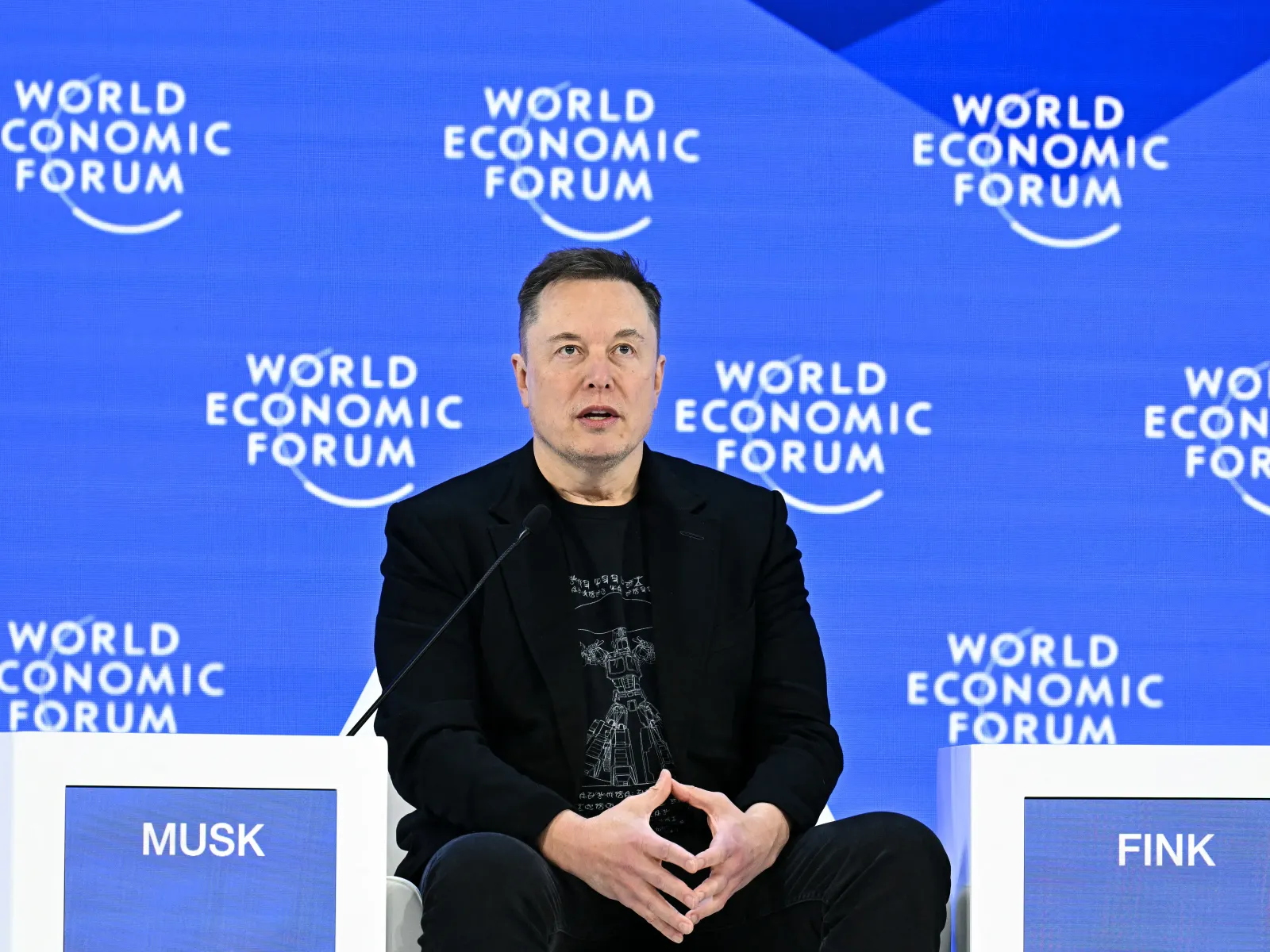
Investors are valuing Elon Musk's brain chip startup Neuralink at as high as $42 billion in recent secondary market transactions. The jump, up from a $9 billion valuation in a funding round over a year ago, is forcing decision-makers to wrestle with how to price private access, not just private technology.
Investors are valuing Neuralink at as high as $42 billion in recent secondary market transactions, according to correspondence seen by Business Insider and a person familiar with the matter. That figure is not a hype headline from a press release. It is a private-market price discovery moment, and it comes with a hard comparison: Neuralink was last valued at $9 billion in a funding round over a year ago, meaning this is nearly a five-time increase.
The timing matters because it is happening after Elon Musk’s other company, SpaceX, went public via a blockbuster IPO that is now worth $1.6 trillion in public markets. The report frames a straightforward cause-and-effect: when demand for Musk’s “anything” spikes, investors start paying steeper premiums to get exposure to his remaining private startups, Neuralink included. In recent months, transactions tracked by private markets research provider Caplight have reportedly ranged from $29 billion to $42 billion, with some current bidders attempting to buy shares at an almost $60 billion valuation. Neuralink is not trading on an exchange, so these are estimates based on what buyers are willing to pay, rather than a continuous, public-market price.
To understand why this is a big board-level issue, you have to understand how secondary markets work for private companies. Because Neuralink is private, some investors buy shares through secondary markets where stock is sold by employees or early investors. That creates a market that can swing based on who wants in and who has liquidity, not based on a standardized, fully transparent valuation process. Caplight’s reported range from $29 billion to $42 billion captures that reality: the “price” for a private slice of Neuralink depends on timing, deal structure, and urgency among bidders.
The secondary-market frenzy also shows how private valuations can be pulled upward by capital markets events elsewhere in the same ecosystem. The report says SpaceX’s IPO, now valued at about $1.6 trillion in public markets, is part of why private investors are increasingly willing to pay premiums for access to Musk’s remaining startups. This is not just about Neuralink’s own technical timeline. It is about investor perception of an “universe” where Musk’s companies can compound attention, valuation, and exit pathways. The bigger and more liquid the anchor asset becomes, the easier it is for investors to justify paying up for the next private opportunity that still might benefit from the same brand momentum.
Neuralink’s fundamental story is still early, which makes the valuation jump feel even more jarring to anyone used to matching price to progress. Neuralink builds brain implants designed to help people with paralysis control computers with their thoughts, and eventually restore eyesight. The plan remains in a trial stage. The company has implanted chips in 21 trial patients so far, according to the company announcement earlier this year referenced by the report. If you are an executive on the receiving end of these secondary deal offers, the mismatch between early clinical progress and ballooning pricing is the point: you are not buying only a timeline. You are buying optionality, credibility, and the possibility that the market’s taste for Musk-adjacent AI and robotics could accelerate.
The report also highlights why consensus is hard. Because valuations are being formed through scattered, private transactions, some investors are reportedly balking at the price of these trades. One venture investor told the outlet that several limited partners have been asking to buy Neuralink shares “at any price.” Even if you remove the drama, the practical problem remains: “at any price” is what happens when institutional investors want exposure, but it is not how everyone agrees the assets should be marked. That tension can turn into governance pressure, especially for funds and boards that must explain valuation methodology, deal justification, and liquidity assumptions.
Neuralink has not publicly clarified its valuation or whether it is raising a new funding round. The latest publicly announced investment mentioned in the report came this May, when the sovereign wealth fund of Oman revealed it had invested in Neuralink at an undisclosed valuation. If you are tracking the signal, the combination of an undisclosed Oman investment plus secondary-market pricing that implies multiples of prior rounds creates a strange asymmetry: the market knows prices are rising, but the official numbers are not aligned on paper. Neuralink also did not respond to a request for comment.
One reason investors appear willing to chase these prices is that Musk has earned a reputation for making private investors money, in part by combining his businesses. The report notes that investors in X and XAI were able to eventually obtain shares in SpaceX via those acquisitions. That history matters because it changes the perceived exit logic. If acquirers can translate private shares into liquidity, the “risk premium” in secondary trades can shrink, even if the underlying technology is still proving itself.
Strategically, the takeaway for peers and decision-makers is clear. Secondary prices like $42 billion do not just reward early holders. They also reshape the expectations of limited partners, pressuring other teams to consider whether to allocate scarce capital to secondary access, how to price it internally, and how to justify buying into a market that some investors think is too expensive. Neuralink’s rising secondary-market valuation is a reminder that in private markets, liquidity events and narrative gravity can matter as much as milestones. For boards and investment committees, the question is no longer only, “Is the tech progressing?” It is, “What will investors pay today for the hope of a future exit pathway, and how do we make our numbers match reality before reality turns the other way?”
This story's Key Insights and Take-aways are locked.
Create a free account to unlock Executive Actions for one credit.
Register to UnlockAlways free for Executives Club members. Join the Club
More in Business

Anthropic’s Levant Alpöge cracks the Jacobian conjecture after 87 years
A Harvard valedictorian used Claude to hit a 1939 breakthrough, but the missing “why” is the real problem.

Uber buys Delivery Hero for nearly $15B, vaulting to top food delivery outside China
The deal doubles Uber's dual-services footprint and pushes a ride-and-eats bundling play into 50 more markets.

Epic and Google drop settlement bid, forcing rival Android app stores by July 22
Google told the court it is ready to carry third-party app stores starting Wednesday, July 22.