

Neuron “gatekeeper” skeleton controls Alzheimer’s protein entry, and weakening may accelerate damage
A microscopic internal scaffold shifts from structural support to timing and selectivity. Stabilizing it could change prevention strategies for Alzheimer’s.
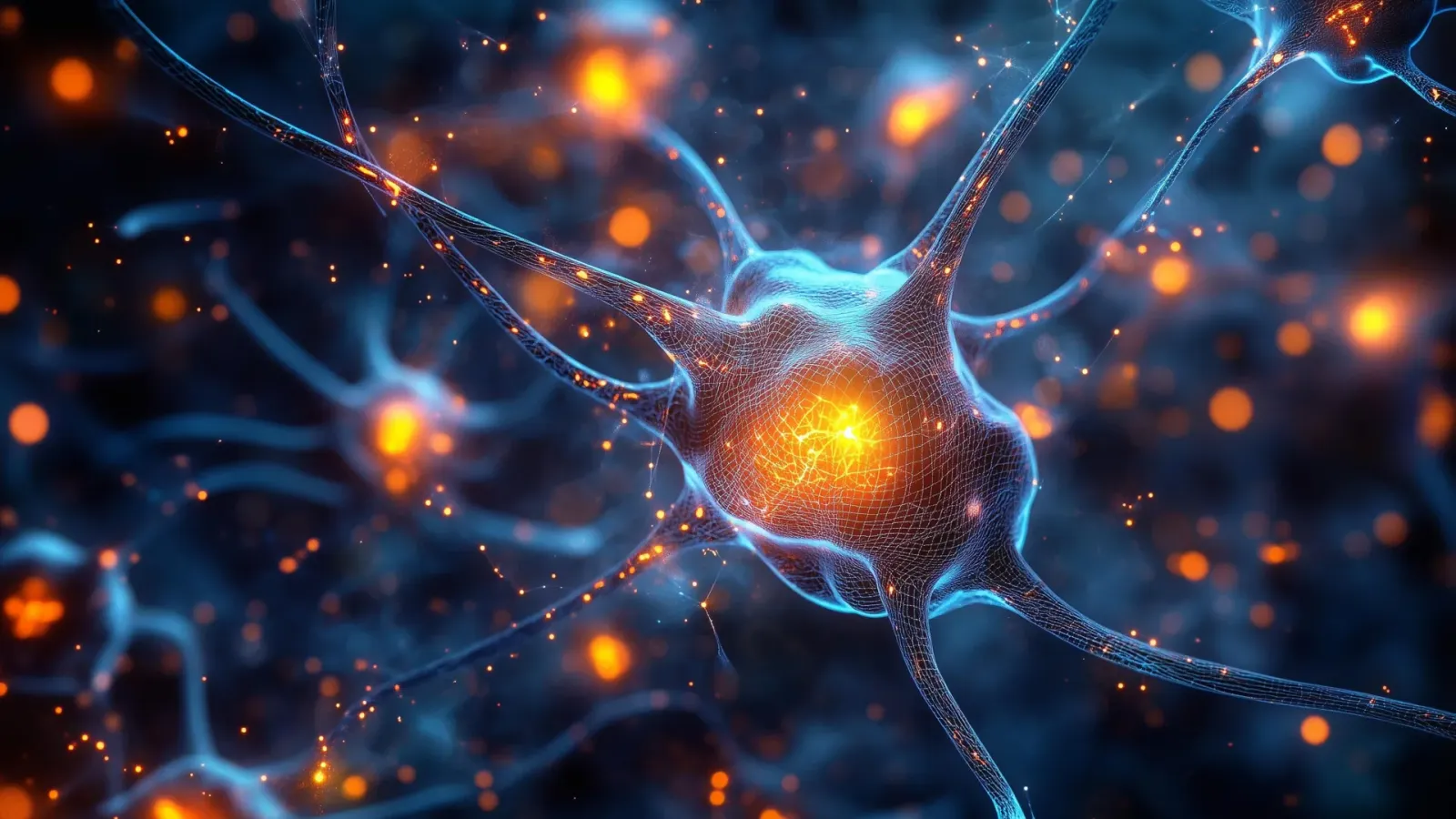
Researchers have identified a microscopic skeleton inside neurons that functions as a gatekeeper for what the cells absorb and when they absorb it. When this protective structure weakens, neurons rapidly take in harmful Alzheimer’s-associated proteins.
Inside neurons, there is a tiny “skeleton” that researchers say does far more than keep the cell in one piece. It acts like a gatekeeper, controlling both what materials the neuron takes in and the timing of that uptake. The finding matters because Alzheimer’s is not just about what proteins exist in the brain. It is also about how, and when, those proteins get into the wrong cellular compartments.
According to the researchers, when this protective structure weakens, neurons rapidly take in harmful proteins associated with Alzheimer’s disease. That speed is the key detail, because it reframes the mechanism as a matter of loss of control. Instead of assuming damage unfolds slowly and randomly, the discovery points to a protective system that, once it degrades, allows harmful proteins to flood in quickly. For decision-makers tracking the Alzheimer’s pipeline, that is a clear shift in what to aim at: stabilizing a cellular gate rather than only reacting to downstream toxicity.
Zoom out one level and you get why this is strategically interesting. Most therapeutic efforts in neurodegeneration wrestle with a tough combination: disease biology is complex, and interventions that do not change the earliest stages often struggle to help once neurons are already compromised. A gatekeeper-like structure provides an upstream lever. If a neuron’s internal scaffold determines selectivity and timing, then preserving that scaffold could reduce harmful protein entry before extensive cell damage occurs.
This is also a useful lens for how boards and investors tend to underwrite new approaches. When a mechanism is described in concrete cellular terms, it can tighten the logic from hypothesis to measurable outcomes. “Rapid uptake” of disease-associated proteins gives the research community a more direct set of targets for experiments, including biomarkers tied to cellular entry and trafficking rather than only symptoms. In practical terms, that can help teams design studies that test whether stabilizing the structure slows or prevents the cascade that leads to neuron damage.
On the science side, the story is refreshingly specific. The original reporting describes a microscopic skeleton inside neurons that “does much more than hold cells together.” The gatekeeper role is not a metaphor; it is framed as an active control system. When the protective structure weakens, the neurons take in harmful Alzheimer’s proteins associated with the disease. That link between weakening and rapid uptake is the central causal thread the researchers highlight. It suggests that the protective scaffold is not merely a bystander damaged by disease activity, but a component that regulates the pathway by which harmful proteins gain access.
For regulators, the broader implication is that prevention and early intervention strategies may increasingly rely on mechanistic endpoints. While the source does not mention specific regulatory pathways, it does imply a direction that regulators typically care about in neurodegeneration: demonstrate a connection between intervention and reduction of disease-driving processes. If stabilizing the gatekeeper structure can be tied to reduced neuronal uptake of Alzheimer’s-associated proteins, then early-phase studies could, in principle, focus on whether the intervention preserves cellular control under disease-like conditions.
There is also a second-order effect for companies managing portfolio risk. Alzheimer’s is notoriously crowded with programs, and differentiation often depends on whether a therapy targets a distinct step in the biology. A scaffold that controls entry and timing is different from approaches aimed at clearing proteins after the fact or modulating broad inflammation. If future work validates that stabilizing this structure consistently prevents harmful uptake, then programs centered on cellular selectivity could occupy a more defensible niche.
The strategic stakes for leaders in similar roles are straightforward. A new “gatekeeper” target creates both opportunity and urgency. Opportunity, because stabilizing the structure could become a promising new strategy for preventing brain cell damage. Urgency, because the discovery emphasizes what happens when protection weakens: neurons rapidly take in harmful proteins. For any team evaluating Alzheimer’s prevention bets, the message is that timing and cellular control may matter as much as the proteins themselves. If you are underwriting risk today, the core question becomes whether this mechanism can be translated into interventions that maintain the gatekeeper state long enough to stop damage from accelerating.
This story's Key Insights and Take-aways are locked.
Create a free account to unlock Executive Actions for one credit.
Register to UnlockAlways free for Executives Club members. Join the Club
More in Science

Naked mole-rat queens release isopropyl myristate to pause rival females’ fertility
A volatile queen pheromone enforces who reproduces, reshaping how we think about social control in biology.

Naked mole rat queen uses isopropyl myristate to block all other females breeding
A single queen scent, tested in cages and colony removals, functions like a colony-wide super-contraceptive.

Beta Pictoris d is 100 times fainter, but finally revealed after 10 years
Astronomers directly imaged the faintest exoplanet ever seen from Earth, resolving a long-running dust-disk puzzle.