

New Battlefronts in Yemen Leave Houthis in Disarray
As Yemen's conflict expands, the Houthi movement struggles to hold ground on multiple fronts, raising questions about its long-term viability.
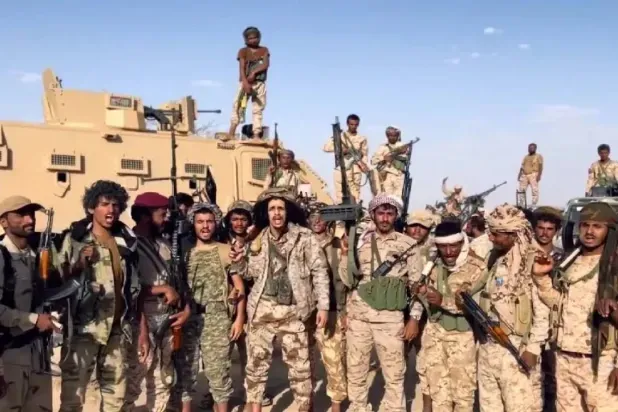
The Houthi movement in Yemen is facing a strategic crisis as new battlefronts open across the country, stretching its military resources and political cohesion. This disarray could shift the balance of power in the region, with implications for Saudi Arabia, the UAE, and international shipping lanes.
The Houthi movement in Yemen, once seen as an ascendant force that had seized the capital and withstood years of Saudi-led bombing, now finds itself on the back foot. New battlefronts have opened across the country, from the southern coast to the northern highlands, stretching the group's military resources and exposing deep internal divisions. The result is a growing disarray that could reshape the conflict in ways that neither the Houthis nor their adversaries had anticipated.
The opening of these new fronts is not a random development. It reflects a deliberate strategy by a coalition of Yemeni factions, backed by regional powers, to pull the Houthis into a multi-front war. By forcing the group to defend a longer perimeter, the coalition aims to dilute its strength and create opportunities for breakthroughs in areas where the Houthis are weakest. This approach has already yielded gains in several provinces, though the fighting remains fluid.
For the Houthis, the challenge is not just military. The group's governance model, based on a mix of ideological appeal and brute force, is showing signs of strain. Reports of defections, disputes over resources, and growing public discontent in areas under their control suggest that the movement's internal cohesion is fraying. The leadership, which has long relied on a tight-knit inner circle, is finding it harder to manage the competing demands of its commanders and the civilian population.
The international dimension adds another layer of complexity. The Houthis' attacks on shipping in the Red Sea have drawn in global powers, with the United States and its allies conducting strikes on Houthi positions. While these strikes have degraded some capabilities, they have also galvanized support for the Houthis among certain segments of the population, who see the group as resisting foreign aggression. This dynamic makes it difficult for the coalition to achieve a decisive victory, even as the Houthis struggle on the ground.
The economic toll of the conflict is also weighing on the Houthis. With trade routes disrupted and public services collapsing, the cost of maintaining control is rising. The group has resorted to increasingly coercive measures to extract resources from the population, fueling resentment and undermining its legitimacy. In areas where the Houthis once enjoyed popular support, there are now signs of quiet resistance, from tax evasion to local armed uprisings.
The disarray within the Houthi ranks is not lost on their adversaries. Saudi Arabia and the United Arab Emirates, which have backed different factions in the conflict, are now coordinating more closely to exploit the Houthis' weaknesses. There are also indications that the Houthis' main external backer, Iran, is growing impatient with the group's inability to secure its position. Tehran's priorities lie elsewhere, and it may be reluctant to increase its investment in a movement that is showing signs of fragmentation.
The situation remains highly volatile, and a sudden reversal is always possible. The Houthis have proven resilient in the past, and they still control significant territory, including the capital Sanaa. But the cumulative effect of multiple fronts, internal dissent, and economic pressure is taking a toll. If the current trend continues, the Houthis may be forced to make concessions that were unthinkable just a year ago, potentially opening the door to a negotiated settlement.
For the wider region, the implications are significant. A weakened Houthi movement would reduce the threat to Red Sea shipping and ease the pressure on Saudi Arabia's southern border. It could also alter the balance of power in Yemen, empowering southern separatists and other groups that have long chafed under Houthi rule. But the path to that outcome is fraught with risk, and the conflict could easily spiral into a new phase of chaos. The coming months will be critical in determining whether the Houthis can regroup or whether their disarray becomes a permanent condition.
This story's Key Insights and Take-aways are locked.
Create a free account to unlock Executive Actions for one credit.
Register to UnlockAlways free for Executives Club members. Join the Club
More in Business
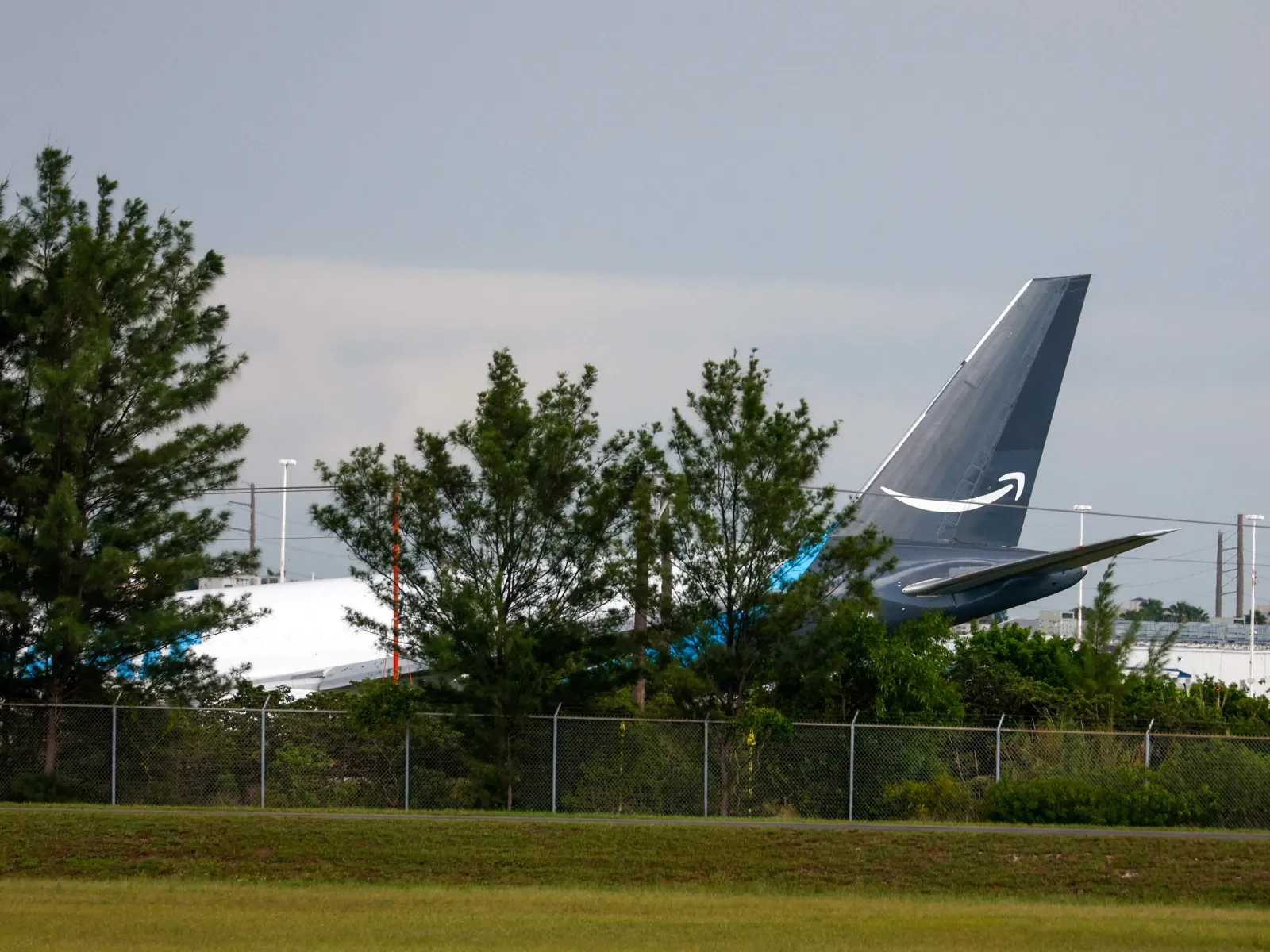
Amazon Prime Air 767 overshoots Miami runway, killing at least 5
The Boeing 767 freighter from San Juan struck vehicles and erupted in flames, prompting a ground stop and a fresh NTSB investigation into Amazon's air cargo network.

Death sentence for TV presenter Sarah Khalifa: Egypt's drug case hits media
The sentencing of Sarah Khalifa and 11 others underscores the severity of Egypt's anti-drug laws and the exposure of public figures to capital punishment.

Tim Cook steps down as Apple CEO, stays on as chair with $45M equity
The 'Trump whisperer' keeps his White House and Beijing access as Apple navigates tariffs and a $4.6 trillion market cap.