
New Radicals release first original song in 28 years, tied to Monica Barbaro’s One Night Only
Gregg Alexander and Danielle Brisebois return with “One Night Only (Break Loose Break Free!)” as the romcom theme.
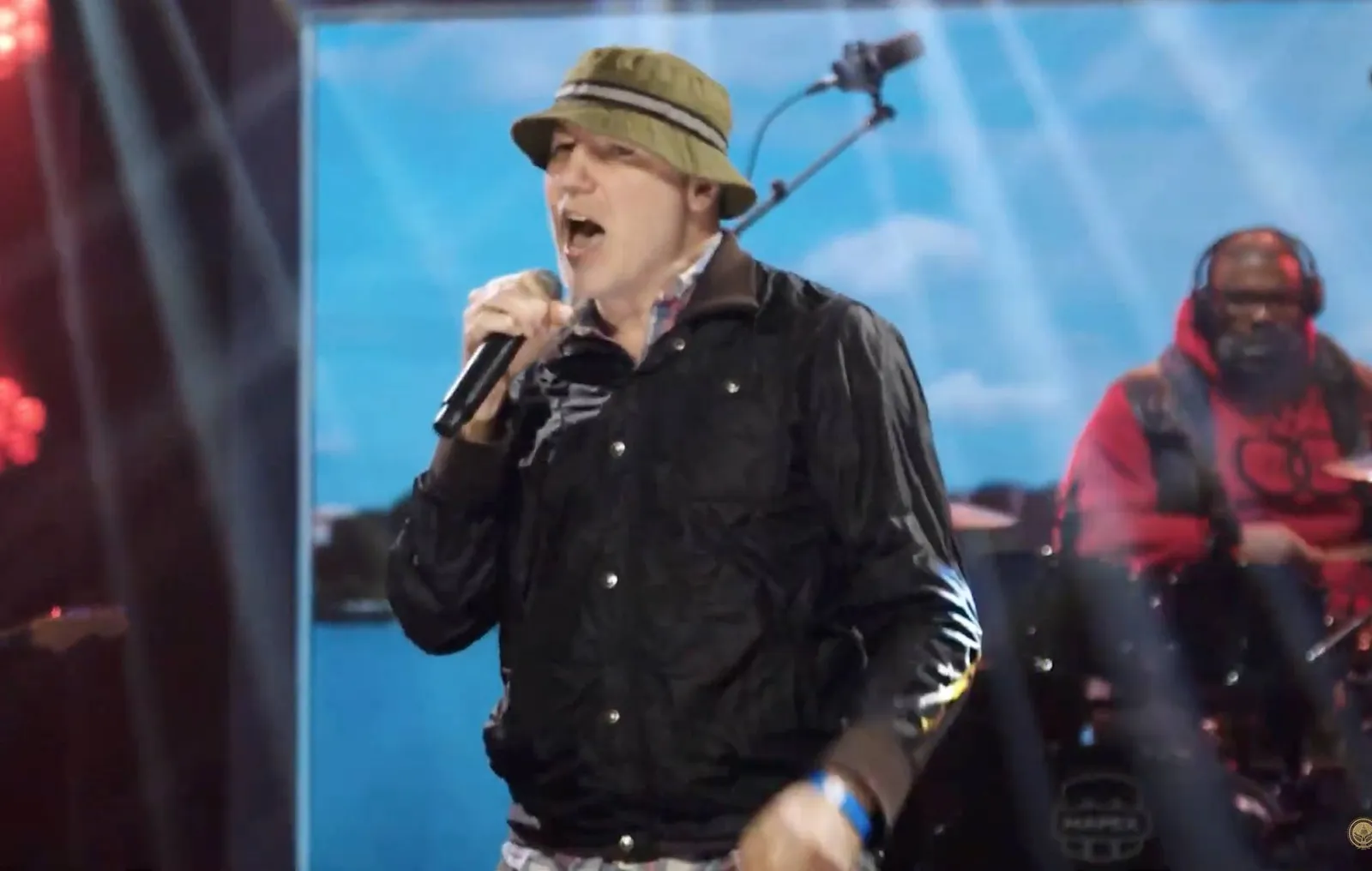
New Radicals, led by songwriter and singer Gregg Alexander and Danielle Brisebois, released “One Night Only (Break Loose Break Free!)”, their first new original song in 28 years, as the theme for the upcoming romantic comedy One Night Only. The release matters to decision-makers tracking entertainment branding, because legacy artists are effectively re-entering mainstream markets through films built for mass attention.
New Radicals just dropped “One Night Only (Break Loose Break Free!)”, their first new original song in 28 years. And it is not just a nostalgia flex. The track is the theme for the upcoming romantic comedy One Night Only, starring Monica Barbaro and Callum Turner.
The band behind the late-’90s mega-hit “You Get What You Give” is made up of songwriter and singer Gregg Alexander and Danielle Brisebois, and the new song is tied directly to the film’s premise. One Night Only follows two strangers, played by Barbaro and Turner, who meet while navigating an annual event in a world where premarital sex is illegal, except for one night each year. The song was released on Friday (July 31), setting up the movie’s rollout schedule: it lands in the US on August 7 and hits the UK on August 28.
From an audience perspective, the return is immediate. The track is described as a piano-led pop-rock sound reminiscent of New Radicals’ familiar style. That detail matters because legacy acts rarely get a clean re-entry unless the sonic identity still reads as “you” on first listen. Here, the band does not show up with a total reinvention. Instead, Alexander and Brisebois write the song with Nick Lashley, leaning on continuity to reduce the risk of asking listeners to relearn them.
From an industry perspective, this is also a play in cross-medium packaging. The movie is directed by Will Gluck, known for Easy A and Anyone But You. A film theme song gives both parties something tangible: the soundtrack gets a recognizable hook with built-in cultural memory, and the movie gets a musical identity that can travel outside the theater through streaming, radio, and social clips. For executives, it is the same underlying logic that drives brand collaborations: when a product already has attention, you do not just hope people discover it, you route that attention through an existing distribution channel.
There is also a timeline story that frames why this “28 years” headline is bigger than trivia. Alexander announced New Radicals’ split in 1999, one year after their only album together, Maybe Youve Been Brainwashed Too, came out in 1998. After that, he moved into becoming a successful songwriter and producer for other artists. The source lists several notable credits, including co-writing Sophie Ellis-Bextor’s “Murder On The Dancefloor”; Santana and Michelle Branch’s “The Game Of Love”; and “Lost Stars” from the 2013 film Begin Again, which earned an Oscar nomination.
So the band is not returning from obscurity. It is returning from relevance. That second-order effect is that modern audience discovery is not the same as it was in the late ’90s. In the streaming era, creators who build credits across genres can keep names warm even while they are not actively touring as a duo. The source backs that up with the fact that New Radicals briefly reunited in 2021 to play “You Get What You Give” for Joe Biden’s virtual inauguration parade. It also notes that the song was adopted as a campaign anthem by Kamala Harris’ husband Doug Emhoff.
And then it keeps going. In 2024, the band released new versions of “Murder On The Dancefloor” and “Lost Stars” for Harris’ presidential campaign. There is also mention of Geese reviving interest when they covered “You Get What You Give” for BBC Radio 1’s Live Lounge last year. Translation: even without constant releases from the group, the catalog stayed in circulation through political moments, media formats, and covers. That means “first new original song in 28 years” is technically the headline, but “still present in the conversation” is the practical reason this drop is poised to land.
For decision-makers in entertainment, branding, and adjacent industries, the strategic stake is straightforward: legacy IP can be monetized again, but it needs a modern distribution mechanism. Here, the mechanism is a mainstream romcom that already has star power, a director with proven box-office-era awareness, and a premise designed to generate talk. The song also carries a ready-made narrative for press cycles, because it connects the band’s return to a specific moment: a new movie, a specific date, and a specific creative collaboration. In other words, this is not “come back and hope.” It is “come back with placement.”
Finally, the source includes how Alexander described the moment. He said he had not seen his phone “blown up like this since New Radicals announced reforming for just one day for the 2021 presidential inauguration.” He also characterized the New York band as “not just the coolest band in decades” but “one of the best.” Put together, it signals that the attention spike is real, not abstract. For peers managing music libraries, talent partnerships, and content schedules, this is a case study in timing: reactivation works when it is tethered to a larger consumer product and supported by a story the public wants to repeat.
This story's Key Insights and Take-aways are locked.
Create a free account to unlock Executive Actions for one credit.
Register to UnlockAlways free for Executives Club members. Join the Club
More in Entertainment

'It's a Magic Trick': Ballet Experts Say Rosalía's SNL Pose Is Impossible
Three ballet experts tell Rolling Stone Rosalía's gravity-defying SNL stillness shouldn't be possible - and why the debate is now part of the show.

Activision CMO: GTA 6 Will Boost Call of Duty, Not Bury It
Activision's top marketer says Rockstar's blockbuster will drive players back to consoles and into Modern Warfare 4, even as the company admits its recent strategy failed.
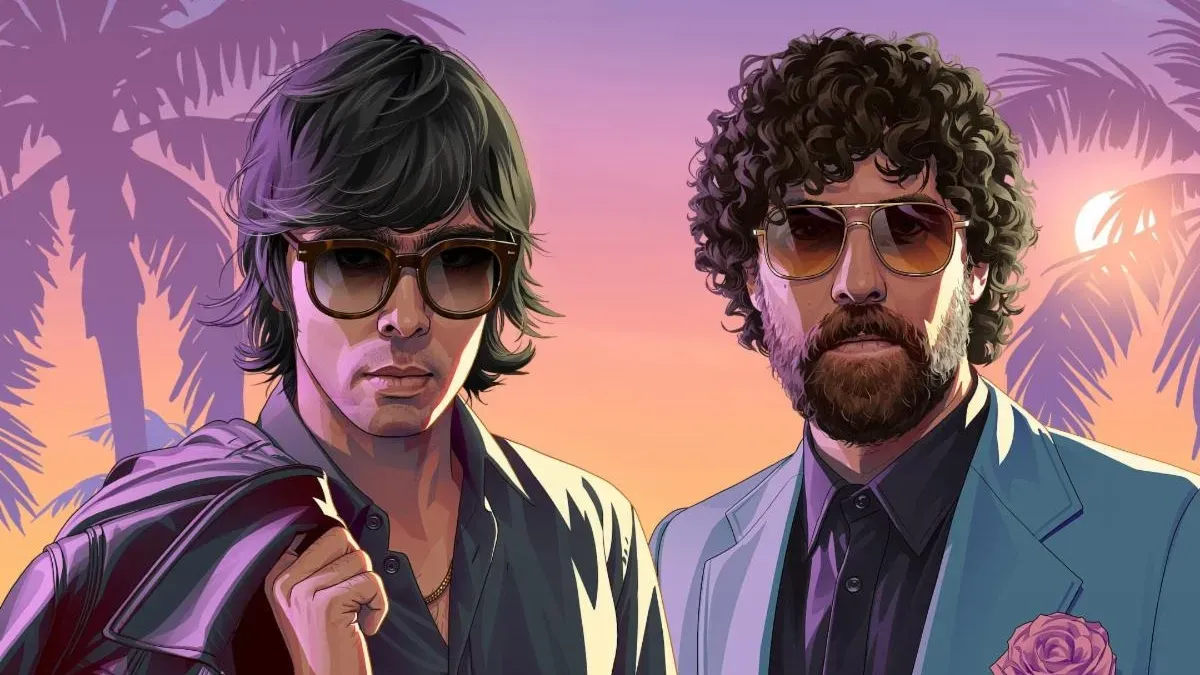
Justice to Score GTA 6, Share New Song with Tame Impala, SZA, King Gizzard
Rockstar taps the French duo for the GTA VI score, and the first taste is a genre-melting collab with Tame Impala, SZA, and King Gizzard & The Lizard Wizard.