

NHTSA opens school zone speeding probe into Tesla robotaxis
A defect petition claims Model Y and Cybercab robotaxis exceeded speed limits in active school zones, and the stakes for Tesla's robotaxi expansion just got higher.
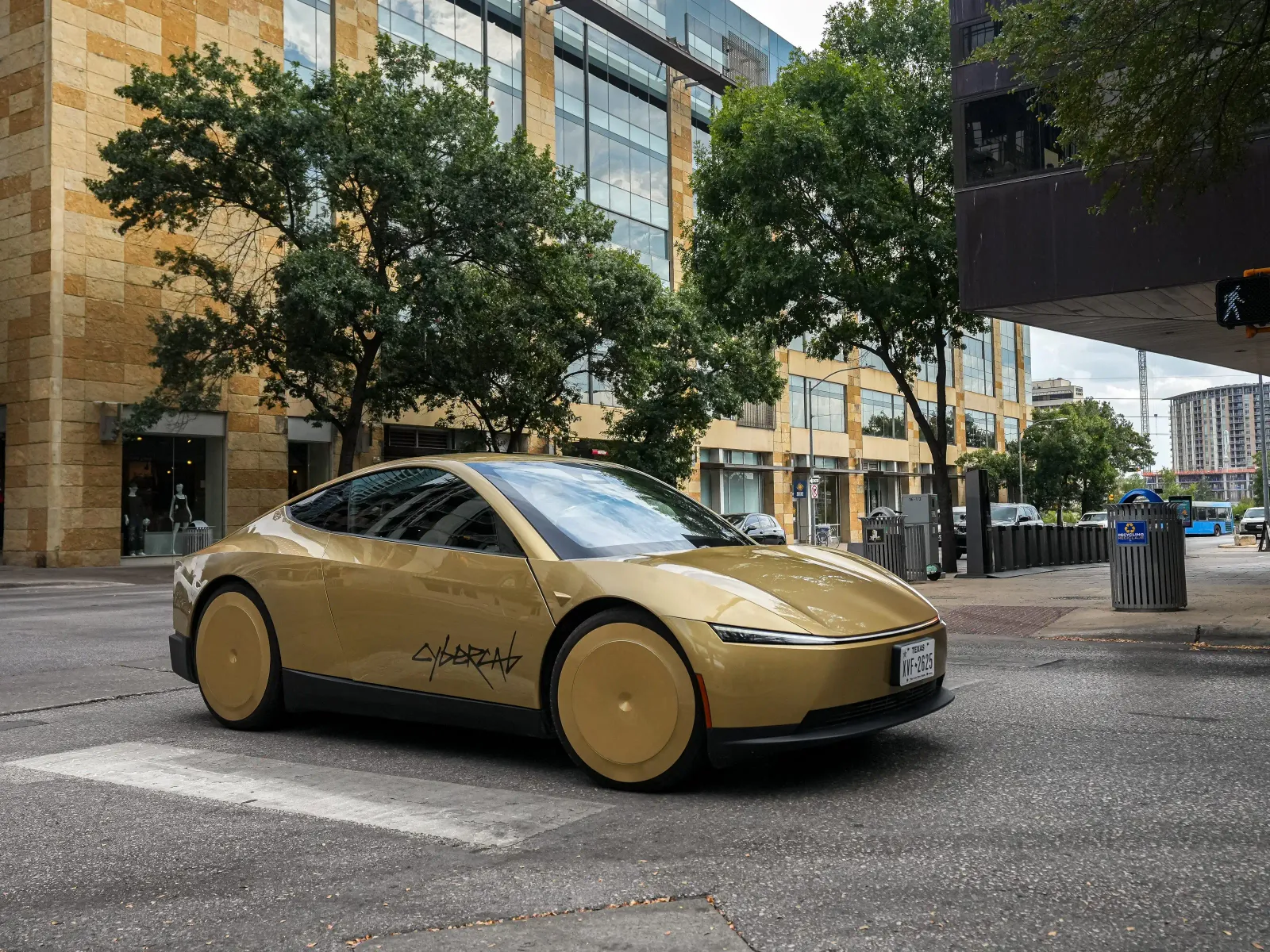
NHTSA opened a defect-petition review into claims that Tesla's Model Y and Cybercab robotaxis exceeded speed limits in school zones while automated driving was active. The review adds to mounting regulatory scrutiny of Tesla's robotaxi rollout, which is central to Elon Musk's strategy.
The federal government is asking whether Tesla's robotaxis know when to slow down for kids. On Monday, the National Highway Traffic Safety Administration announced it had opened a defect-petition review into a claim that 2026 Tesla Model Y robotaxis and Cybercabs exceeded speed limits in school zones while their automated driving systems were active. The probe, opened Friday according to the filing, stems from an unnamed petitioner who submitted three videos supporting the allegation.
The review is not yet a formal investigation. NHTSA said it will evaluate the complaint before deciding whether to grant or deny a formal investigation. The filing lists no reported crashes or injuries and estimates about 1,000 vehicles could be affected. Tesla did not immediately respond to Business Insider's request for comment.
The timing is awkward for Tesla. The company has been pushing robotaxis from pilot to product, expanding self-driving Model Y services beyond Austin into other Texas cities and Florida. In September, it added the steering-wheel-free Cybercab to the Austin fleet. CEO Elon Musk has increasingly shifted Tesla's focus away from traditional vehicle sales toward self-driving, AI, and robotics. The scrutiny comes as Tesla pushes to turn robotaxis into a much bigger business, and any regulatory speed bump could slow that momentum.
This is not the first time federal regulators have taken a close look at Tesla's self-driving rollout. NHTSA opened an audit inquiry into the Cybercab's self-certification just hours after the cars started offering services in Austin. That inquiry, combined with this new defect-petition review, signals that the agency is watching Tesla's robotaxi expansion with a skeptical eye. The audit inquiry targets Tesla's self-certification process, which allows the company to declare its own vehicles compliant with federal safety standards without third-party verification.
School zones have also tripped up rival robotaxi companies. Last year, NHTSA opened a preliminary investigation into Waymo after reports that its vehicles passed stopped school buses in Austin and Atlanta. The Google-owned robotaxi company issued a voluntary recall in December. In January, a Waymo vehicle struck a child near an elementary school in Santa Monica, California. The child had minor injuries, and Waymo said the vehicle braked hard, reducing speed from approximately 17 mph to under 6 mph before contact. These incidents show that school zone safety is a regulatory hot button across the industry.
For Tesla, the stakes are existential. The robotaxi business is supposed to be the next growth engine, the reason investors keep valuing the company as a tech play rather than a carmaker. A defect petition that turns into a formal investigation could slow deployments, invite more scrutiny, and give rivals and regulators a template for challenging Tesla's self-certification approach. The school zone allegation is particularly sensitive because it targets the core promise of autonomous vehicles: that they are safer than human drivers. If robotaxis cannot be trusted to obey speed limits in the most vulnerable environments, the public case for autonomy weakens.
For other players in the space, this is a reminder that one bad incident or complaint can trigger a regulatory chain reaction. The NHTSA review process is designed to be transparent, and even a denied petition leaves a paper trail that plaintiffs' lawyers and state regulators can cite. The broader lesson is that autonomous vehicle companies need to treat school zones as a special case, with geofencing, speed limit overrides, and robust data logging to prove compliance.
For now, the review is just a review. But the pattern is clear: as robotaxis scale from novelty to necessity, regulators are going to demand proof, not promises. Tesla's ability to navigate this scrutiny will determine whether its robotaxi ambitions hit the gas or the brakes. The decision on this petition, expected in the coming months, will be a leading indicator for how much runway the entire robotaxi industry has.
This story's Key Insights and Take-aways are locked.
Create a free account to unlock Executive Actions for one credit.
Register to UnlockAlways free for Executives Club members. Join the Club
More in Business

Elon Musk unveils a flying car, and SpaceX helped build it
The Tesla CEO's showcase at a SpaceX facility signals a future where road and rocket engineering converge.

Apple's $2,000 iPhone Duo opens preorders, taking on Samsung and Google
Apple's first foldable hits the market at a premium price, reshaping a category Samsung and Google have led.

Pope Leo XIV, first American pope, diagnosed with lung cancer
The 71-year-old Chicago-born pontiff underwent successful surgery on his right lung, and his diagnosis raises new questions about his AI-focused papacy and the Vatican's future.