
NHTSA opens second Tesla-home crash probe after driver claimed driver-assistance engaged
A Texas fatal crash is now under two federal looks, raising new questions about autopilot behavior and liability risk.
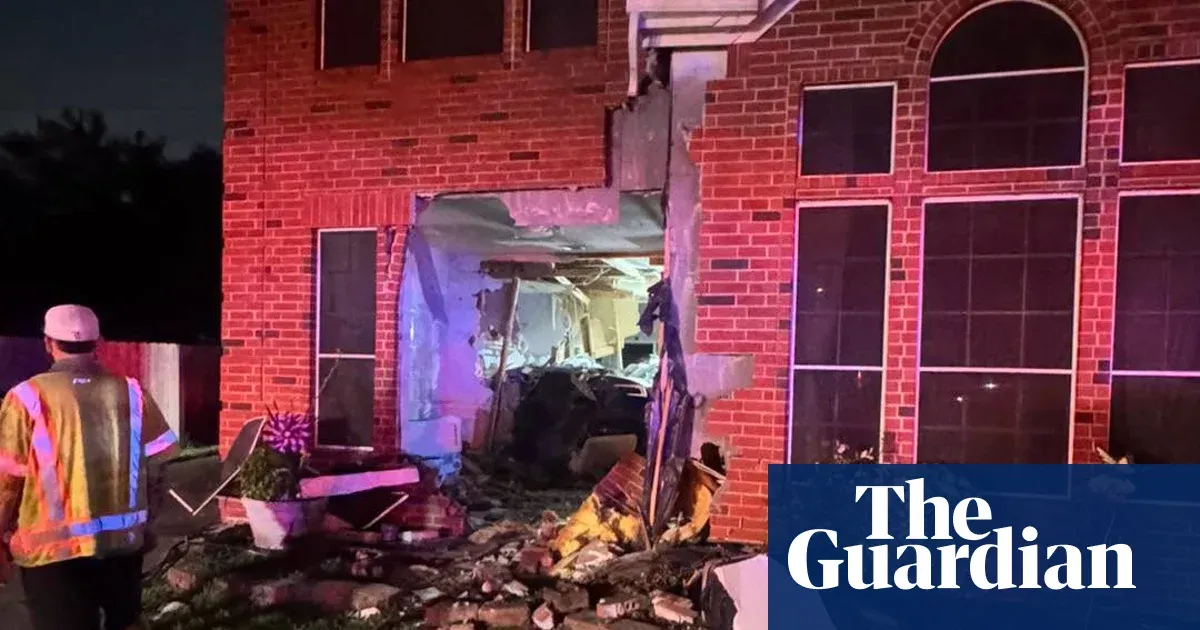
The US has opened a second federal investigation into a Tesla crash in Texas that reportedly struck a home and killed resident Martha Avila. The new inquiry, alongside a lawsuit by Avila’s family, raises fresh compliance and risk-management pressure for automakers and their boards.
The US government has opened a second federal investigation into a Tesla crash in Texas that reportedly involved driver-assistance technology and ended with the death of 76-year-old Martha Avila, according to The Guardian. The driver told authorities that driver-assistance technology was engaged before the crash, which struck a Texas home and killed a resident.
If that sounds familiar, that is because it is now a recurring pattern: one tragic event, then multiple layers of scrutiny, and then hard questions about what “driver-assistance engaged” actually means in real driving. In this case, the second federal investigation adds momentum to an investigation that is already serious, because fatalities and property damage are not abstract “near-misses.” For decision-makers, it also signals that regulators are not treating these incidents as settled just because someone says the system was on.
This is where the stakes get real for the people running, funding, and overseeing autonomous-adjacent technology. Driver-assistance systems blur the line between what the system does and what the driver remains responsible for. Even if a crash report turns on a driver’s statement that the technology was engaged, investigators still need to determine what the vehicle detected, how it responded, whether the system behaved as intended, and whether any human factors, road conditions, or system limitations were in play.
The crash is also tangled up with legal consequences. The family of Martha Avila, the 76-year-old resident who was killed, has sued over the wreck. That matters because lawsuits often pull on the same underlying evidence regulators seek: incident data, system status, warnings and alerts, and the timeline of what was active before impact. When federal investigations expand or multiply, it can affect how quickly key information emerges, how preservation orders and discovery obligations unfold, and how each side frames liability.
Why do second investigations matter so much? In the US regulatory ecosystem, investigations are not just paperwork. They can change how quickly information is shared, what testing or analysis is prioritized, and whether manufacturers face follow-up actions that go beyond “investigating” into mitigation. For automakers, the difference between one investigation and a second one can reflect a shift in what authorities think needs proving. That shift can come from new evidence, evolving interpretations, or simply the determination that the public record needs additional scrutiny.
For boards and executives, the bigger issue is that driver-assistance is now a product category where safety claims and user behavior collide. Drivers may reasonably believe that “assistance engaged” means the system is actively helping in the moment. Regulators and courts, however, tend to focus on operational boundaries: what the system can and cannot reliably do, what the driver must monitor, and what happens when expectations and capabilities diverge.
The second federal probe also lands in a broader market reality. Vehicles are no longer just mechanical platforms; they are software platforms with features that can update, change, and evolve. That means incident narratives can be complicated, because a crash may involve a particular software version, sensor performance, and configuration at the time of the crash. When investigations intensify, executives must be ready for the uncomfortable truth that even small technical or procedural gaps can become major headlines.
Strategically, this is a reputational and governance stress test. The Avila case is not only about one crash. It is a live signal about how regulators treat reported use of driver-assistance technology in fatal incidents, and how litigation can run in parallel. For executives at Tesla and other companies with advanced driver-assistance features, the lesson is not about assigning blame instantly. It is about recognizing that “the system was engaged” is becoming a standard fact pattern that triggers deeper accountability processes.
And for investors and operators, there is a second-order effect that matters: heightened investigative attention can influence product roadmaps, compliance costs, how features are messaged to users, and how aggressively companies invest in clearer in-cabin behaviors and fail-safes. In short, the US opening a second federal investigation after a driver’s claim of driver-assistance engagement tells executives that safety governance is not a one-and-done milestone. It is an ongoing obligation with escalating scrutiny when lives are lost.
This story's Key Insights and Take-aways are locked.
Create a free account to unlock Executive Actions for one credit.
Register to UnlockAlways free for Executives Club members. Join the Club
More in Technology

Nvidia's $89B data center quarter: the 9 companies cashing in
The AI buildout is minting fortunes beyond GPUs, and memory, cloud, and cooling suppliers are riding the same wave.

Google quietly links your phone number to every Android account on your SIM
Adding a SIM now ties your phone number to all Google accounts - and future accounts inherit it. Here's the security and privacy stakes.

Hijacker AI 'Skynet mode' runs 100,000 attack steps against exposed models
Symantec caught a criminal AI agent that borrows other models, steals data, and mines crypto; the only relief is no confirmed victims yet.