

Nigel Farage quits as MP to trigger Clacton byelection, but rivals leave him with Count Binface
After months of financial scandal, Farage sought to force a showdown. Reform’s rivals opted out, leaving a novelty contest instead.
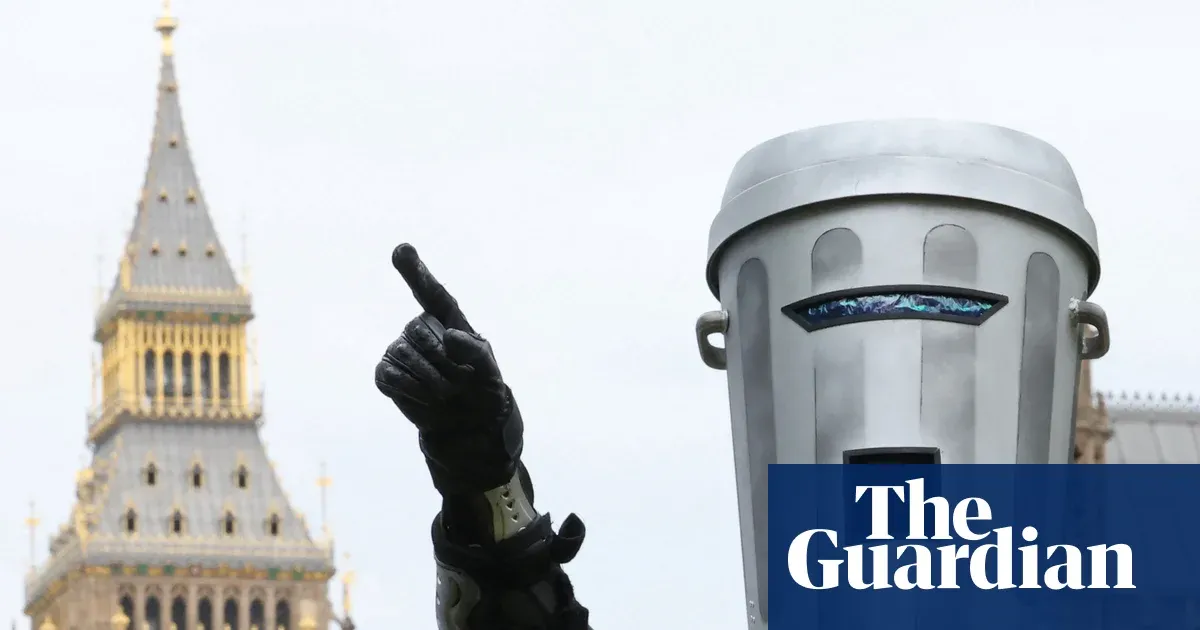
Nigel Farage resigned as an MP to trigger a byelection in Clacton, framed as giving “the people” a chance to back him against “the establishment,” according to Guardian political correspondent Ben Quinn. But when serious Reform rivals declined to take part, Farage faced six weeks of campaigning against Count Binface, turning the race into a novelty fight.
Nigel Farage tried to take back control of the Clacton conversation on Tuesday by resigning as an MP to trigger a byelection in his seat, aiming to give “the people” a chance to back him against “the establishment,” as described by Guardian political correspondent Ben Quinn. The original plan, implied by the move, was pretty straightforward: force a high-contrast contest with his serious political opponents and make the next phase of the story about voters and choices.
Then the math changed. As Quinn explains, Reform’s “serious rivals” announced they wouldn’t take part in Farage’s “stunt,” which left him facing a very different challenger, the novelty candidate Count Binface, for around six weeks of campaigning. Far from setting up the showdown Farage probably wanted, the resignation appears to have set him up for a campaign against a figure designed for ridicule and commentary, not the kind of opponent that would typically absorb the spotlight.
To understand why this matters, zoom out to how political contests work when reputations and momentum are on the line. Farage’s resignation came “after months of scandal about his finances,” the Guardian summary notes, meaning the electorate was already being offered a running narrative about money, legitimacy, and trust. When a leader under scrutiny tries to “trigger a byelection,” they are not just changing a calendar. They are attempting to regain narrative control, compress the news cycle, and redirect attention from regulatory questions and internal party risk to a direct vote.
But Quinn’s framing suggests that his rivals made a strategic decision of their own: they refused to participate in what they viewed as a gimmick. That choice created a second-order problem for Farage. A byelection normally forces all sides to mobilize resources quickly and present the clearest possible contrast. When only a novelty candidate is left standing, the contest becomes harder to weaponize into a clean, traditional left-right or insider-outside framing, because the challenger is not competing on the same terrain. If you wanted to keep the focus on “the establishment” versus “the people,” you still get a “people” story, but you lose the opponent needed to define the “establishment” story in a conventional way.
There is also a regulatory background implied in the Guardian excerpt, and it is not subtle. The text tees up “Millions of pounds and many, many questions: the untold story of why Reform figures face NCA scrutiny,” which signals that financial scrutiny and enforcement interest are already part of the broader environment. In that kind of setting, political leaders and their organizations tend to think in terms of both message and risk exposure. When regulators are in the picture, every public move is interpreted through the lens of compliance, credibility, and whether the party can avoid escalating attention.
Now add the operational layer. A campaign is an attention machine. Six weeks of campaigning against a novelty candidate shifts the audience’s default setting from “policy and accountability” to “spectacle and symbolism.” That can work for some political strategies, but it cuts both ways for someone who is already dealing with “months of scandal about his finances.” In a traditional contest, the opponent gives you a target. Here, the opponent may also give the media an easier storyline, one focused on the absurdity of the setup rather than the hard questions voters are supposed to confront.
The broader takeaway for executives, board members, and anyone managing institutions is that this is what happens when incentives and optics collide. Farage attempted a decisive action to reset the narrative by triggering a byelection in Clacton. His rivals attempted a different decisive action by declining to participate. The resulting outcome is a campaign structure that rewards one side less than intended and amplifies unintended angles. Quinn’s line about the optics is essentially the point: when the serious actors step away, the “stunt” can still move forward, but it does not necessarily do the job the organizer hoped it would.
For other political operators, party strategists, or anyone running high-stakes campaigns under scrutiny, the second-order lesson is brutal: you can’t assume your opponents will play along with your preferred frame. If they refuse, the market for attention reorganizes itself around the remaining variables, and the remaining variables are often not the ones you control. Farage’s resignation may have forced a byelection, but it also appears to have forced him into a contest against Count Binface, leaving questions about what voters are actually being asked to decide, and what the media chooses to emphasize during the six-week run-up.
This story's Key Insights and Take-aways are locked.
Create a free account to unlock Executive Actions for one credit.
Register to UnlockAlways free for Executives Club members. Join the Club
More in Politics

Glacial collapse, not rain, killed 180 in Nepal's Himalayan flood
The Himalaya's extreme geography hid the true cause of Nepal's catastrophic flood, a glacial collapse that turned a geological battleground into a mass-casualty zone.

Iran’s Esmail Baghaei says Oman talks start shipping via Hormuz, not US talks yet
Temporary route plans with Oman aim to restart commerce while Tehran says Washington dialogue is not on the table.

Standards watchdog opens probe into Reform UK deputy leader Richard Tice over interests
The parliamentary standards commissioner says it began an investigation on 28 July into a possible undeclared interest.