

Nintendo's Bill van Zyll: physical Switch 2 games stay despite Sony's disc exit
Nintendo's Latin America chief confirms cartridges stay as Sony exits discs by 2028.
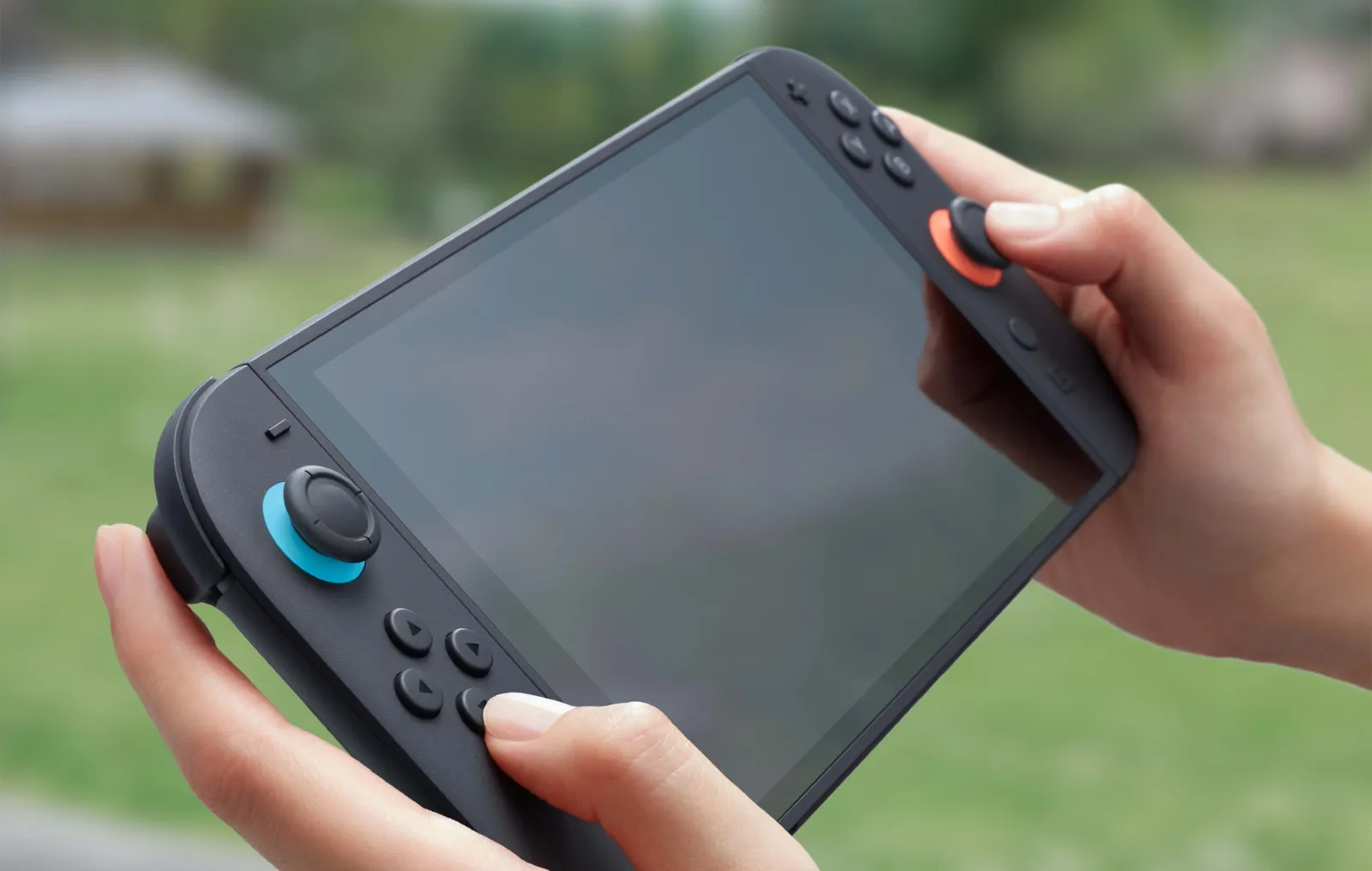
Bill van Zyll, Nintendo's general manager for Latin America, confirmed the company has no plans to drop physical Switch 2 cartridges, even as Sony exits physical media by 2028. The decision preserves a key fan-loyalty channel and forces rivals to weigh consumer preference against rising production costs.
Nintendo's Latin America general manager, Bill van Zyll, just threw a very Nintendo-shaped wrench into the industry's digital-only narrative. Speaking to Brazilian content creator Coelho no Japão over the weekend, van Zyll confirmed that Switch 2 games will keep shipping on physical cartridges, with no plans to ditch them, even as Sony prepares to stop making physical PlayStation games after January 2028. "We go off what the consumer prefers, and take that into account very heavily," he said. "There's no plans to ditch physical. We know how much the fans like it as well."
The timing is deliberate. Sony's disc exit, announced in July, was framed as a response to "consumer trends," but the backlash has been loud. One report found just seven PlayStation games sold more than 100,000 physical copies in the US this year, and a planned boycott of PlayStation reportedly had "no measurable impact." Nintendo, by contrast, is barely a year into the Switch 2's life cycle, and van Zyll made clear that the hybrid console's dual digital-physical capability is a feature, not a bug. "We also have a platform that was just launched. We're barely just over a year into the Nintendo Switch 2. It's got both digital and physical capability," he said.
The contrast with Sony could not be starker. Sony's decision, announced in July, will end physical PlayStation disc production after January 2028, a move the company attributed to "consumer trends." The backlash from fans and industry experts was immediate, but a planned boycott reportedly had "no measurable impact," and only seven PlayStation games have sold more than 100,000 physical copies in the US this year, according to one report. Nintendo, meanwhile, is leaning into the opposite signal: van Zyll explicitly cited fan preference as a core reason to keep cartridges, and the company's recent pricing moves suggest it is treating physical and digital as separate products with separate economics.
Microsoft, for its part, is trying to bridge the gap. The company recently launched a physical-to-digital scheme that lets players convert their existing physical games into digital versions at no extra cost. That move acknowledges the convenience of digital while trying to preserve the value of physical collections. Nintendo's stance, however, is more defiant: it is not offering a conversion program, but simply continuing to produce both formats. The company's pricing strategy reinforces that. Earlier this year, Nintendo announced it would sell physical and digital Switch 2 games at different prices, with digital versions of its own exclusive titles priced lower than their physical counterparts in the US. "The cost of physical games is not going up," the company said in a follow-up statement, explaining that the price difference "simply reflects the different costs associated with producing and distributing each format."
That pricing move was initially read by some as a quiet hike on physical games, but Nintendo pushed back hard. The company clarified that physical game costs are not rising; instead, digital versions are getting cheaper. That is a subtle but important distinction: Nintendo is not penalizing physical buyers, it is rewarding digital ones. The company's statement emphasized that the change "offers players more choice in how they can buy and play Nintendo games." For a company that has long maintained premium pricing on its software, this is a notable shift, and it suggests Nintendo is using price to nudge consumers toward digital without abandoning the physical channel entirely. The result is a hybrid strategy that keeps both revenue streams alive while letting fans choose how they want to buy.
The strategic stakes go beyond consumer sentiment. Physical media carries real costs: manufacturing, shipping, retail shelf space, and inventory risk. Sony's exit suggests those costs are becoming harder to justify as digital sales dominate. But Nintendo's willingness to absorb those costs, at least for now, is a bet that its fan base values the tangible product enough to keep paying a premium. The company is also barely a year into the Switch 2's life, so it has time to see how the market evolves. Van Zyll's comments suggest Nintendo is watching consumer behavior closely, but it is not ready to follow Sony off the cliff.
For executives watching from other industries, the lesson is about reading your own customer base rather than following the herd. Sony's data says physical is dying; Nintendo's data says its fans still want it. Both can be true because the customer bases are different. The decision also has implications for retailers, who depend on physical game sales to drive foot traffic, and for the resale market, which thrives on cartridges and discs. Nintendo's commitment keeps that ecosystem alive, at least for another generation.
The bottom line: Nintendo is not just preserving a format, it is preserving a relationship. By keeping physical Switch 2 games on shelves, the company is signaling that fan preference still matters, even when the industry's biggest player is heading the other way. For CEOs and boards weighing similar transitions, the takeaway is to ask not "what is the trend?" but "what do our most loyal customers actually want?" Sometimes the answer is a cartridge you can hold in your hand.
This story's Key Insights and Take-aways are locked.
Create a free account to unlock Executive Actions for one credit.
Register to UnlockAlways free for Executives Club members. Join the Club
More in Business

Elon Musk unveils a flying car, and SpaceX helped build it
The Tesla CEO's showcase at a SpaceX facility signals a future where road and rocket engineering converge.

Apple's $2,000 iPhone Duo opens preorders, taking on Samsung and Google
Apple's first foldable hits the market at a premium price, reshaping a category Samsung and Google have led.

Pope Leo XIV, first American pope, diagnosed with lung cancer
The 71-year-old Chicago-born pontiff underwent successful surgery on his right lung, and his diagnosis raises new questions about his AI-focused papacy and the Vatican's future.