
Norway and Wisconsin kids draw YouTube and say “they gets lots of money”
A new cross-country study shows social media beats school career plans, starting at age 7.
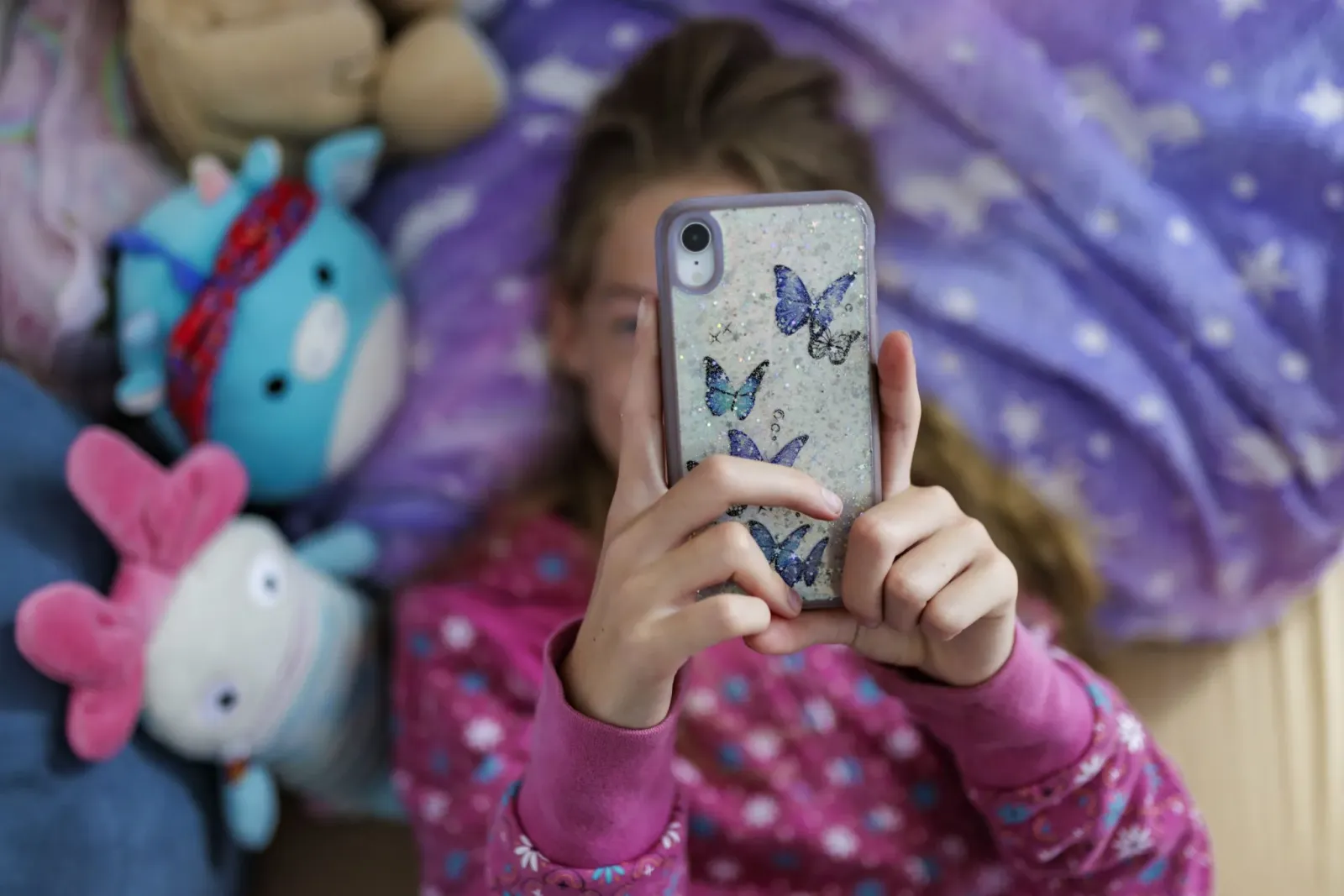
Researchers studying career and technical education found second graders in Norway and Wisconsin frequently drew a YouTube (or influencer) logo and cited fame and money. The consequence: school career planning is losing to TikTok and YouTube in shaping what students aim to become.
Ask a second grader what they want to be when they grow up, and you might get an expected answer: firefighter, doctor, maybe a princess. Instead, researchers found a recurring scribble across two places far apart: kids in Norway and Wisconsin often draw the YouTube logo. When they explain why, the logic is simple and brutally incentive-driven: YouTubers are famous and make lots of money, with kids saying “they gets lots of money” and “they want to be famous.”
This is not just a quirky anecdote. Since 2021, the researchers, who are scholars of career and technical education, have spoken with students as young as 7 years old in the U.S. and Norway in 2024 to understand how children imagine their careers. Their forthcoming research points to social media as one of the biggest influences on career choice, second only to family, friends, or teachers. In their 2021-2024 surveys, over 60% of middle and high school students said they wanted to be social media influencers, or based their future career choices on what they saw online.
To be clear, the dreams are not all identical. Some students draw footballers, musicians, actors, and princesses. Others name more traditional professions like wildlife biologist, pilot, engineer, or filmmaker. Older students shift toward familiar real-world roles like nurse, electrician, engineer, teacher, welder, police officer, and small-business owner. But the influencer and content-creator aspiration stays common as kids move toward the teen years. And in some cases, social media does more than glamorize. One student in a rural town described how online posts and videos pushed them toward becoming a marine biologist, despite the closest ocean being over 1,300 miles away.
The researchers also looked closely at how kids learn about jobs. They used a similar approach to a January 2018 international study by the organization Education and Employers, which surveyed 20,000 children ages 7 to 11 and asked what they wanted to be, and how they learned about that job. In Wisconsin, they surveyed more than 80 children ages 7 to 11, ran focus groups with more than 140 middle and high school students, and then interviewed over 60 children in Norway in the same age range. In both places, kids were given simple prompts including “When I grow up I would like to be ….” and “How do you know about this job?” The pattern that emerges is a mismatch: schools are prompting students to think about careers, but social media is shaping the factors that actually drive those visions.
That mismatch is showing up in how school career planning works today. Many middle and high school students take online career interest surveys, and some schools offer career fairs and job shadowing. Yet most students receive very limited individualized guidance from a school counselor. More broadly, many schools use career interest tools designed before social media became central to daily life. The recommended list in these programs often skews traditional, including careers like electrician or accountant, rather than modern options like content creator.
This is happening even as policy moves toward earlier career guidance. Within roughly the past decade, 27 states began requiring personalized, multiyear educational plans to help students as young as 11 develop education and career goals. Wisconsin’s own law, passed in 2015, requires school districts to provide academic and career planning services for students in grades 6 through 12, with students taking an online career survey each year. But in focus groups, students in Wisconsin described these activities as “redundant,” “the same thing we did in middle school,” and not particularly helpful. One 17-year-old student said the career survey was “a waste of time,” adding that it told them they should be a truck driver even though she had already been accepted into nursing school.
Now connect that to the incentives behind influencer careers. Many young people learn about careers through TikTok videos, YouTube channels, social media personalities, and online communities. Those platforms come with built-in narratives about success, visibility, and income. The payoff sounds large to children because it looks large on the screen. But the source also highlights a reality check for decision-makers: nearly half of all online content creators earn less than US$15,000 a year. That gap between perception and outcome matters because many young people, especially those trying to emulate what they see, may be optimizing for visibility rather than stability.
So the strategic stake is not whether social media is “bad” or whether schools should ban it. It is that formal career planning is increasingly competing with a constant feed that teaches students, in real time, what work looks like and what success can mean. Educators and families, the researchers argue, should recognize that young people are thinking about careers, they just more often rely on social media rather than online surveys at school to imagine their futures. For school leaders, policy teams, and corporate partners in workforce development, the second-order implication is straightforward: if career pathways are designed without accounting for how students actually discover careers now, they will keep losing the attention battle and, potentially, the guidance battle too.
This story's Key Insights and Take-aways are locked.
Create a free account to unlock Executive Actions for one credit.
Register to UnlockAlways free for Executives Club members. Join the Club
More in Business

Bungie cuts most Destiny 2 staff as Sony says Marathon still matters
Herman Hulst confirms layoffs affecting most Destiny and some Marathon teams after Bungie admits Destiny fell short.

SK Hynix jumps 11% after seeking up to $29.4B in Nasdaq listing
The chip giant filed for a Nasdaq listing plan that could raise $29.4 billion, instantly reshaping investor expectations.
Micron revenue hits nearly $42B as AI memory lifts gross margins above 81%
Fiscal Q3 results crush estimates, prove AI memory is rewriting Micron's margins, and change the momentum math for the whole chip stack.