
Novo vs Eli Lilly scrambles for GLP-1 pill Medicare coverage
Their decades-old rivalry shifts from injections to pills, and Medicare timing turns the next launch race into a senior-access battle.
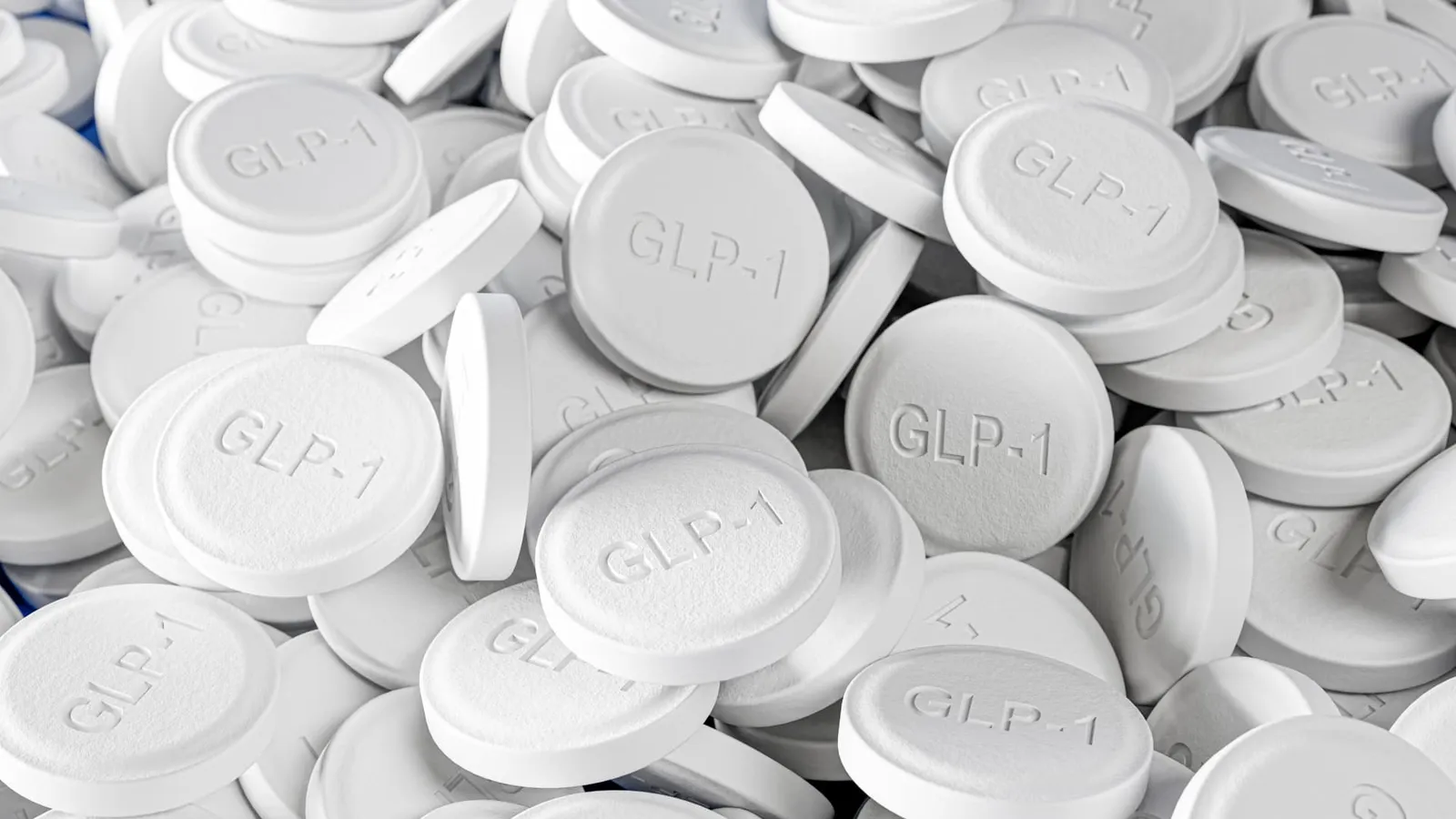
Novo Nordisk and Eli Lilly are competing to win the GLP-1 pill market as they prepare for Medicare coverage. For decision-makers, the looming Medicare switch affects adoption speed, payer dynamics, and how quickly each company can convert demand into revenue.
Novo Nordisk and Eli Lilly are turning their long-running rivalry toward GLP-1 pills. And while the story sounds like another chapter in the blockbuster diabetes and weight-loss drugs saga, the specific wrinkle here is who they are preparing to sell to next: seniors who rely on Medicare.
Both companies are getting ready to “make their pitch” to Medicare, as coverage determines how fast patients can access the new medication category. In plain English, Medicare coverage is the gateway that can accelerate utilization. Without it, even an effective, potentially easier-to-use pill remains stuck behind reimbursement friction. With it, uptake can move quickly, because Medicare coverage expands the pool of people who can actually get the therapy.
This matters because GLP-1 is no longer just a therapeutic headline. It has become an access and logistics story, with payers shaping what patients can receive and when. For Novo and Lilly, a shift from injections to pills changes the commercial pitch in multiple ways. Pills are typically easier to fit into daily life than injections, which can lower the behavioral barrier for some patients. But even if adherence improves for some users, adoption still hinges on reimbursement, formulary placement, and coverage details. Medicare is the big lever because it is both broad and rule-driven.
The regulatory backdrop is also the point. GLP-1 therapies have already navigated significant clinical and policy scrutiny, and Medicare coverage decisions often reflect a combination of evidence, safety considerations, and how the product fits within existing treatment frameworks. For executives, that means the “Medicare pitch” is not just marketing. It is preparation for a reimbursement reality where medical necessity, coding, and coverage guidance can determine whether the product becomes the default choice or remains a niche option.
There is also a second-order competitive effect: when two companies race for the same reimbursement pathway, they compete not only on clinical performance, but on how confidently they can position their drug within the coverage process. That can impact everything around the launch plan, including readiness of supply, contracting approach, and how quickly each company can scale outreach after coverage lands. If one company gets ahead in the Medicare conversation, it can benefit from a first-mover distribution advantage, because once clinicians and systems standardize a therapy, switching costs can appear quickly.
For boards and investors, the Medicare timing question turns into a timing risk question. The GLP-1 pill market is set up for intense competition, and the companies’ ability to translate coverage into real-world utilization can affect near-term financial outcomes. Even if both products are strong, the company that wins the coverage window can capture more of the early adopter wave. Conversely, delays or unfavorable coverage terms can push adoption into later periods when the market is more crowded and negotiating power shifts.
Peers in the broader GLP-1 ecosystem should also read this as a signal. When Novo and Lilly aim their pitch at Medicare for pill coverage, they are essentially telling the market that access, not just efficacy, will drive the next phase of GLP-1 growth. That has implications for how fast prescribers act, how payers update formularies, and how quickly patient demand turns into reimbursed demand. For executives building strategy in pharma and biotech, the takeaway is straightforward: the next competitive battlefield is coverage timing, and Medicare is not a footnote. It is the front door.
This story's Key Insights and Take-aways are locked.
Create a free account to unlock Executive Actions for one credit.
Register to UnlockAlways free for Executives Club members. Join the Club
More in Business

Anthropic’s Levant Alpöge cracks the Jacobian conjecture after 87 years
A Harvard valedictorian used Claude to hit a 1939 breakthrough, but the missing “why” is the real problem.

Uber buys Delivery Hero for nearly $15B, vaulting to top food delivery outside China
The deal doubles Uber's dual-services footprint and pushes a ride-and-eats bundling play into 50 more markets.

Epic and Google drop settlement bid, forcing rival Android app stores by July 22
Google told the court it is ready to carry third-party app stores starting Wednesday, July 22.