
NTSB confirms Tesla driver overrode Full Self-Driving in fatal crash
NTSB’s confirmation, plus NHTSA’s parallel probe, raises new questions about how autonomy claims meet real-world fatalities.
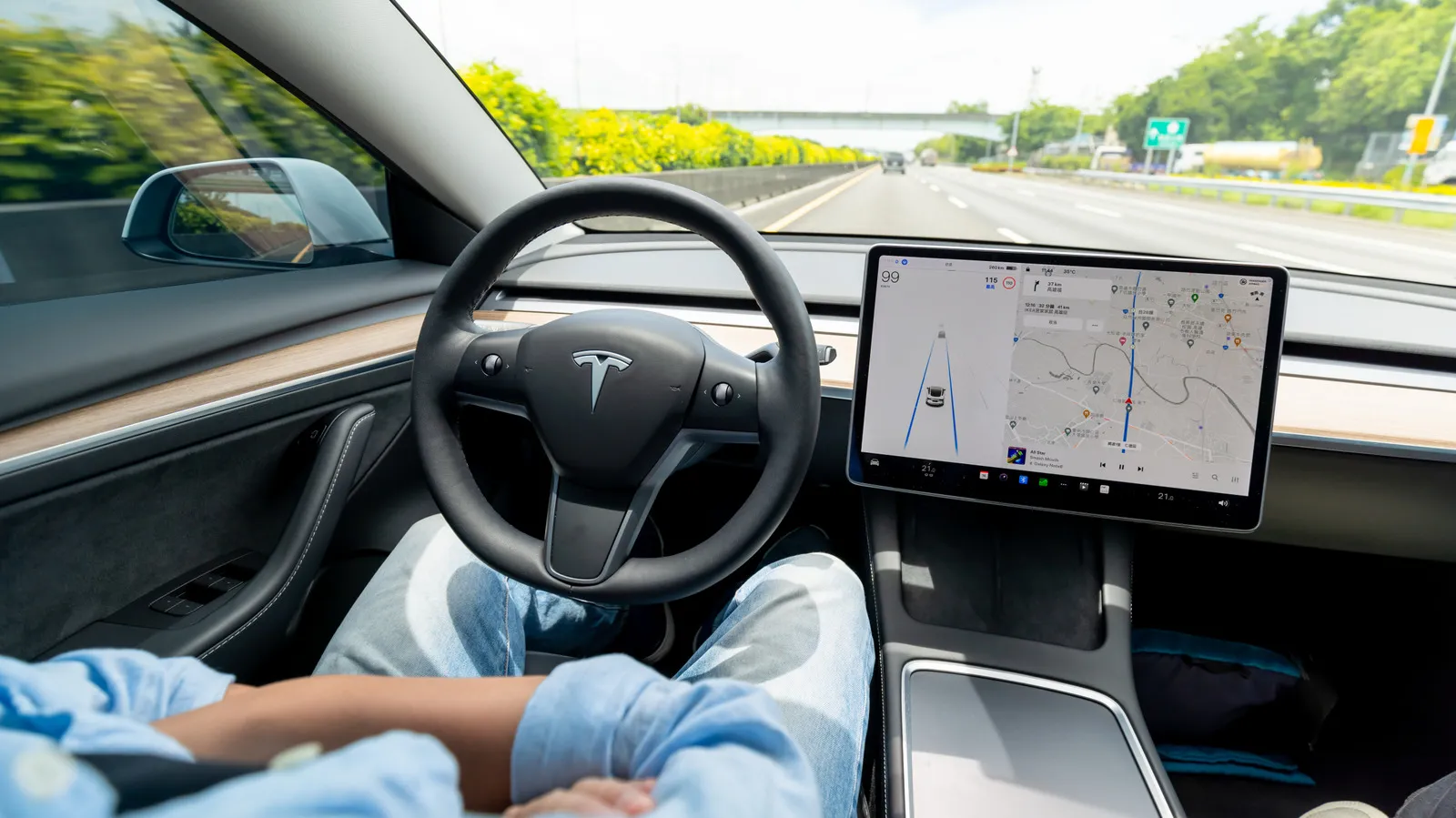
The National Transportation Safety Board (NTSB) investigators confirmed that a Tesla driver overrode the company’s Full Self-Driving system in a fatal crash. The National Highway Traffic Safety Administration (NHTSA) is also investigating the crash, a dual-track regulatory moment that decision-makers should treat as a signal.
Here is the key fact regulators have now pinned down: NTSB investigators confirmed that, in the fatal crash they are examining, the Tesla driver overrode the Full Self-Driving system. In other words, the system was not allowed to run without human interference. That distinction matters because autonomy debates usually get framed as a simple question of whether a driver was present, or whether the car “was in charge.” NTSB’s confirmation points to a more complicated reality: the technology can be engaged, then promptly, decisively, and fatally overridden.
The same crash is also under investigation by the National Highway Traffic Safety Administration (NHTSA), which means the scrutiny is not limited to one agency’s lens. When both agencies step in, the market impact is not just legal. It becomes operational and strategic, because the findings can influence how regulators, insurers, and fleet customers interpret what “Full Self-Driving” actually means in practice. Even if the driver override is the central detail, the enforcement and rulemaking tail risk tends to follow the story, not the phrasing on the dashboard.
To understand why this is a big deal for executives, it helps to remember how autonomy is judged in the real world. In typical deployment, drivers stay responsible for the vehicle even when advanced driver assistance features are active. That is why the most consequential moments in these investigations often turn on interfaces and behavior, not just sensors. The NTSB confirmation that a driver overrode the system puts the spotlight on the human-machine interaction layer: how drivers are expected to supervise, how the system behaves when it is not driving continuously, and what happens in the seconds where a safety-critical decision is made.
Now add the second regulator, NHTSA. Parallel investigations can look like bureaucracy until you think about outcomes. NHTSA has broad authority over vehicle safety and enforcement related to compliance, while NTSB investigations tend to focus on the factual record and safety lessons. When both exist in the same case, decision-makers should assume the final public narrative will be coherent and tough: what happened, why it happened, and what needs to change to reduce the chance of repetition. Even without additional details in this specific source, the existence of two probes is the signal.
This is also a board-level concern, not just a product one. Tesla operates in a high-stakes environment where autonomy-related marketing and regulatory framing have collided repeatedly with real incidents. When investigators confirm driver override in a fatal event, it does not automatically “prove” negligence or exonerate a system. But it tightens the noose around claims that sound more definitive than the underlying operational reality. For boards and risk committees, the question becomes: are we adequately aligning product labeling, user expectations, and safety messaging with how regulators will describe the system after a fatality investigation?
There is another incentive wrinkle here: executives often design for the way technology is demonstrated, not the way it is used under stress. In the wild, driver override is the norm with partially automated features, and yet the system must still behave in a way that preserves safety during handoff. Investigations that emphasize override, especially in fatal crashes, can prompt changes that seem small but are operationally expensive: updates to driver prompts, changes to system engagement logic, refinements to failure detection, or tighter constraints on what the feature does when it detects uncertainty.
For peers in the autonomy and advanced driver assistance ecosystem, the strategic stake is simple. Dual-agency scrutiny raises the baseline for what “good enough” documentation and safety reasoning looks like. If a fatal crash becomes a case study where override is confirmed, competitors should expect more intense questioning of their own human supervision requirements and system boundaries. And for investors, the implication is that regulatory risk can move faster than product roadmaps. The market may keep rewarding autonomy progress, but regulators are now also tracking how autonomy claims translate into accountable outcomes.
Bottom line: NTSB has confirmed a Tesla driver overrode Full Self-Driving in a fatal crash, and NHTSA is also investigating. That combination is the kind of regulatory moment that can reshape messaging, design priorities, and risk tolerance across the entire autonomy stack, not just inside Tesla.
This story's Key Insights and Take-aways are locked.
Create a free account to unlock Executive Actions for one credit.
Register to UnlockAlways free for Executives Club members. Join the Club
More in Technology

Google quietly links your phone number to every Android account on your SIM
Adding a SIM now ties your phone number to all Google accounts - and future accounts inherit it. Here's the security and privacy stakes.

Hijacker AI 'Skynet mode' runs 100,000 attack steps against exposed models
Symantec caught a criminal AI agent that borrows other models, steals data, and mines crypto; the only relief is no confirmed victims yet.

Nvidia's AI-financier shift faces its first big test as neoclouds stumble
A rout in neocloud stocks is forcing investors to weigh Nvidia's hidden exposure as both supplier and lender to the AI buildout.