
Nvidia pitches Rubin liquid-cooling as near water-free, and critics say concerns still stand
The company claims massive power and nearly all water usage are eliminated, but the full AI data center impact debate moves on.
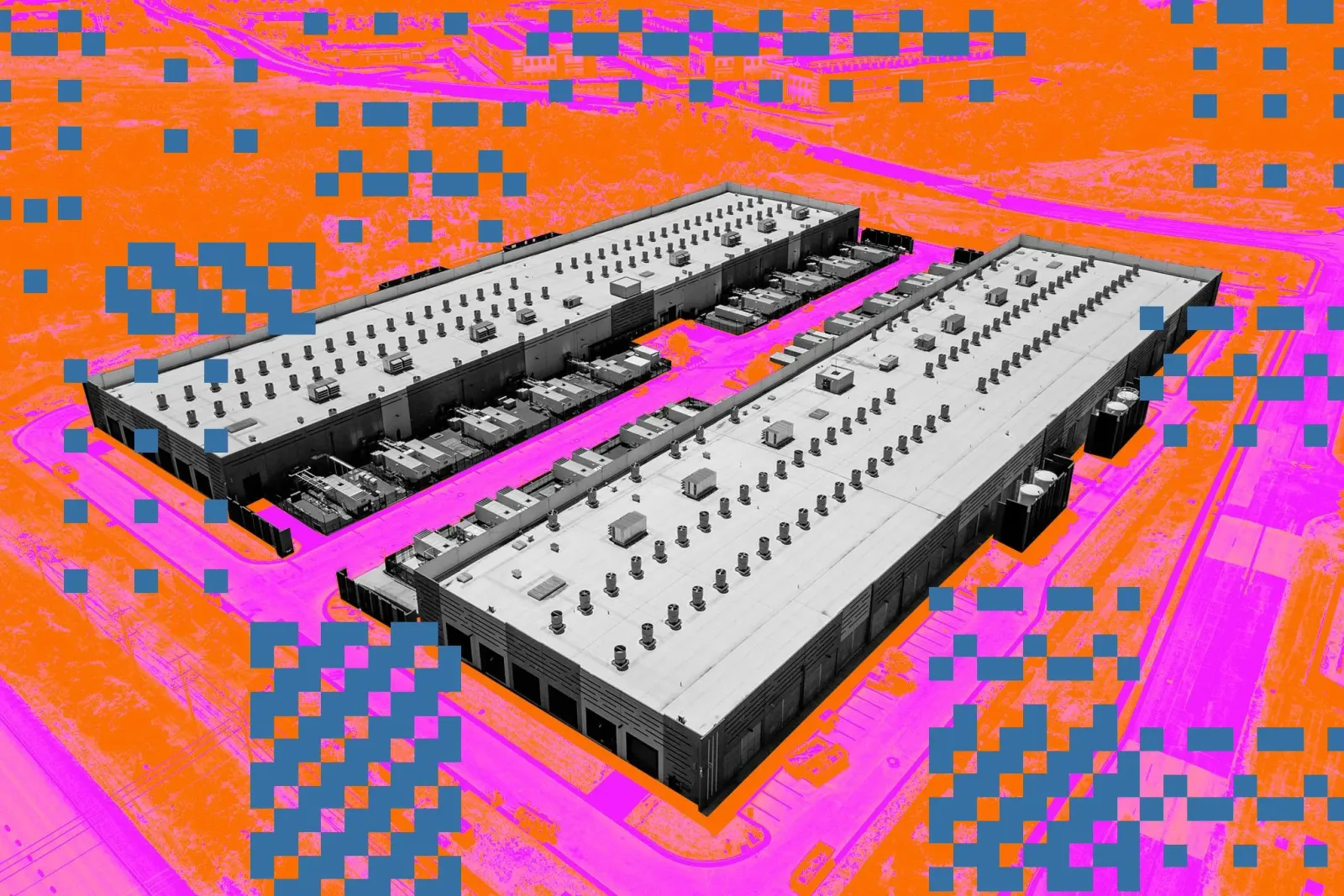
Nvidia is pushing a claim tied to its Rubin generation reference design for a fully liquid-cooled data center, saying it has "eliminated massive amounts of power usage and pretty much all water usage." For decision-makers, the pitch matters because it reframes a key public objection, even as it leaves unanswered cost, construction, and power-system pressures.
Public pushback on AI data centers has gotten unusually specific: it is not just about how much electricity these facilities consume. It is also about water. Now Nvidia is stepping into that spotlight with a bold claim about how its next-generation data center design would change the equation.
In a blog post referenced by The Verge, Nvidia highlights its Rubin generation reference design for a fully liquid-cooled data center. The company says the design has "eliminated massive amounts of power usage and pretty much all water usage." That is a dramatic promise in a world where regulators, local communities, and grid operators are all asking the same question: can we build compute at the scale AI demands without turning water systems and power infrastructure into bottlenecks?
The catch is that the claim is about operational characteristics of a specific reference design, not the entire lifecycle of an AI campus. The Verge notes Nvidia still does not address all concerns around AI data centers, including during construction and for the power generation requirements of the massive facilities. That distinction is critical for executives because it changes where risk lives. Even if a data center uses significantly less water during operations, construction can still stress local water, and power generation and delivery can still strain grid capacity.
This is where incentives start to matter. Water and energy consumption are not abstract environmental stats anymore. They are becoming constraints that affect schedules, permitting timelines, and total cost of ownership. When Nvidia emphasizes water reductions and power reductions in its Rubin generation reference design, it is not only making a technical argument. It is trying to lower the political friction that comes with rapid AI buildouts.
But friction tends to come in clusters. Communities often evaluate data centers on how they fit into local infrastructure and ecosystems. Regulators often look at whether utilities can reliably supply power, and whether projects can meet environmental and resource-related rules. So when a major vendor claims "pretty much all water usage" is gone, decision-makers will immediately ask the next, harder follow-up questions: What does that mean for permitting? What does it mean for the local water authority during peak construction? What does it mean for the electricity mix and the scale of generation or procurement needed?
Another missing piece in Nvidia's pitch is cost. As Gizmodo points out, Nvidia's blog post does not mention the cost of building this style of data center versus one using less efficient air cooling. That omission matters because boards and CFOs do not run environmental impact statements. They fund capex. If liquid cooling requires new infrastructure, new engineering, or different vendor ecosystems, the economic trade-off will show up in capital intensity, financing terms, and payback periods. Even if liquid cooling reduces operating costs, the build phase can be the moment where approvals or spending plans either lock in or stall.
There is also a strategic signaling effect. Nvidia is not just talking to engineers. It is signaling to cloud providers, AI infrastructure builders, and data center operators that its platform roadmap includes design-level choices aimed at lowering consumption and public backlash. In an AI arms race, hardware makers can influence how fast buyers can deploy, and how confidently they can defend those deployments to regulators and communities.
Second-order implications like these are what executives should watch. If major vendors converge on liquid-cooled designs, the market could standardize around new cooling supply chains, new facility engineering patterns, and potentially new expectations for how quickly sites can scale. Meanwhile, if public concern shifts from operations to construction impacts and power generation requirements, companies may find that the debate never truly stops. It just moves to the next bottleneck.
For decision-makers in data centers, cloud, and AI infrastructure, the real takeaway is not whether Nvidia's reference design claims are directionally important. The real takeaway is that the debate now has multiple fronts: operational resource usage, construction impacts, and the power generation and delivery demands of massive AI facilities. Nvidia's pitch may help a company sell an operating model. It does not, according to The Verge, close the loop on every objection that can determine whether the next build gets approved, delayed, or redesigned.
This story's Key Insights and Take-aways are locked.
Create a free account to unlock Executive Actions for one credit.
Register to UnlockAlways free for Executives Club members. Join the Club
More in Technology

Nvidia's $89B data center quarter: the 9 companies cashing in
The AI buildout is minting fortunes beyond GPUs, and memory, cloud, and cooling suppliers are riding the same wave.

Google quietly links your phone number to every Android account on your SIM
Adding a SIM now ties your phone number to all Google accounts - and future accounts inherit it. Here's the security and privacy stakes.

Hijacker AI 'Skynet mode' runs 100,000 attack steps against exposed models
Symantec caught a criminal AI agent that borrows other models, steals data, and mines crypto; the only relief is no confirmed victims yet.