
Nvidia's AI-financier shift faces its first big test as neoclouds stumble
A rout in neocloud stocks is forcing investors to weigh Nvidia's hidden exposure as both supplier and lender to the AI buildout.
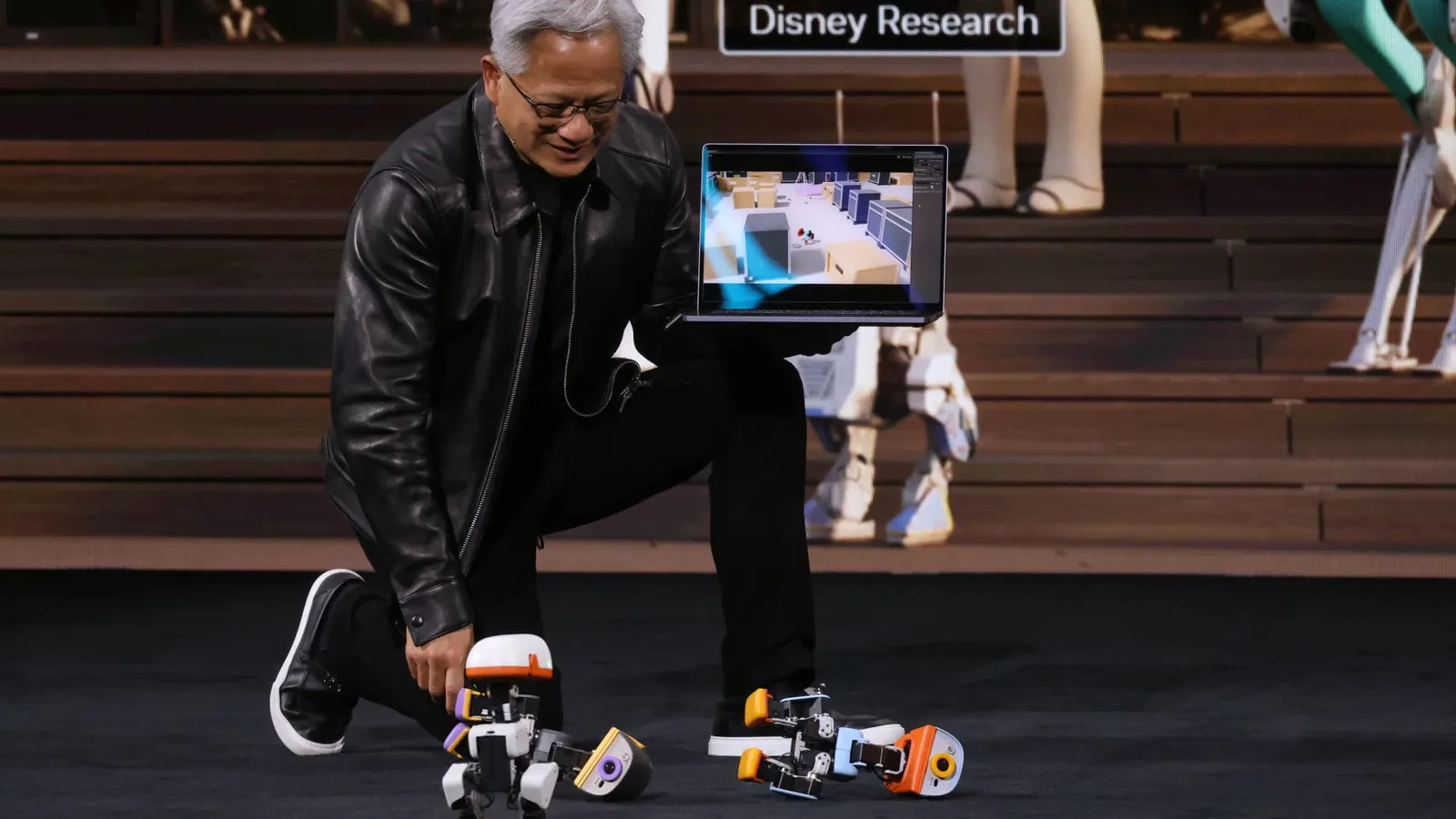
Nvidia's evolution from chipmaker to AI industry financier is being stress-tested as neoclouds take a market hit. Some investors now see the company carrying outsized risk tied to the very AI infrastructure boom it helped enable.
Nvidia's quiet transformation from chipmaker to AI financier is facing its first big test as the startups known as neoclouds take a market hit. These are the companies that raise billions of dollars to build data centers packed with Nvidia GPUs and then rent out that computing power to AI labs and enterprises. A wave of selling in their stocks has turned investor attention to a risk that has been building for months: Nvidia is no longer just selling the picks and shovels of artificial intelligence. It has become a financial backer of the mines, and that means it now shares in their misfortunes.
For the better part of the AI boom, Nvidia has gone from chipmaker to industry financier, according to the original report, and some investors see the company taking on outsized risk tied to the AI buildout. The concern is not that Nvidia makes excellent chips, it does, and demand for them remains strong. The worry is the way those chips are being paid for. Nvidia has increasingly used its balance sheet, supply commitments, and strategic arrangements to support the very companies that buy its flagship GPUs. In a classic vendor model, a supplier gets paid whether the customer wins or loses. In Nvidia's newer role, its fortunes are partly tied to the solvency and success of the neoclouds themselves.
The stakes are substantial because neoclouds have been a central pillar of Nvidia's explosive growth. They borrow or raise equity to stand up data centers at enormous scale, often before they have secured enough paying customers to justify the investment. The business model depends on a steady stream of frontier AI workloads, enterprise adopters, and research labs willing to pay premium rates for scarce compute. But the economics are demanding. Upfront capital costs are brutal, and the break-even period can stretch for years. When market sentiment turns against those economics, as the recent neocloud hit shows, the pain does not stay contained to the neoclouds' share prices. It ripples back to vendors that helped finance the buildout.
What makes this episode significant is that it is the first real test of Nvidia's dual role. During the AI boom's ascent, everyone wins when chip demand outpaces supply. Nvidia could allocate scarce GPUs to customers who committed to large purchases, and neoclouds could secure the hardware they needed to raise more capital. That virtuous cycle drove Nvidia's market value to extraordinary heights and made it the bellwether of the AI trade. But in a downturn, that same coupling cuts both ways. If neoclouds struggle to make payments or to raise fresh funding, Nvidia's exposure could show up in delayed orders, renegotiated agreements, or even write-downs on investments and financing receivables that were once seen as routine support for customers.
For CFOs and boards across the technology sector, the situation is a live case study in the hidden risk of vendor financing. Suppliers that fund their own demand can gain market share quickly during a boom, but they also inherit credit risk that is normally handled by banks. That is why investors are now scrutinizing Nvidia's disclosures more carefully, looking for clues about how much financial support is embedded in its sales pipeline. The company has not detailed every arrangement, and the source only describes the shift in general terms. But the directional concern is clear: when a supplier becomes a financier, its customers' problems become its own.
For decision-makers outside Nvidia, the implications are second-order but real. Enterprises planning large AI deployments should pay attention to the health of the infrastructure vendors they rely on. If financing conditions tighten for neoclouds, the supply of affordable AI compute could become less certain, and pricing could become more volatile. Technology buyers may want to diversify their compute sources rather than doubling down on any single vendor that carries the dual risk of being both a chip supplier and a financier. Meanwhile, founders of AI infrastructure startups should recognize that their most important hardware partner also has a vested financial interest in their survival, which cuts both ways in negotiations.
The first big test rarely produces a clean answer, and Nvidia's story is far from resolved. The company remains the dominant force in AI chips, and its willing to finance the buildout has accelerated the industry's growth. But investors are right to ask how much risk is now sitting on Nvidia's books, and how much of its recent success was powered by credit extension rather than underlying demand. The answer to that question will shape not just Nvidia's valuation, but the entire structure of the AI supply chain. For every executive who has signed a deal with Nvidia, or with a neocloud that relies on Nvidia, the lesson is the same: understand the financial ties behind your technology partners, because in a downturn, those ties become the story.
This story's Key Insights and Take-aways are locked.
Create a free account to unlock Executive Actions for one credit.
Register to UnlockAlways free for Executives Club members. Join the Club
More in Technology

Hijacker AI 'Skynet mode' runs 100,000 attack steps against exposed models
Symantec caught a criminal AI agent that borrows other models, steals data, and mines crypto; the only relief is no confirmed victims yet.
OpenAI cuts frontier models off the internet, weeks after engineer said that won't work
OpenAI's policy reversal on live-internet training, citing 'significant risks,' contradicts its own engineer's warning and signals a shift in AI safety strategy.
Etsy bans AI-generated recipes and patterns, demands human involvement in listings
The marketplace's new AI policy targets automated listings and AI-created content, signaling a broader crackdown on generative AI in e-commerce.