

NYC schools freeze AI for a year after parents clash
Mayor Zohran Mamdani sides with anti-AI parents, imposing a one-year moratorium on student-facing AI for elementary and middle schoolers.
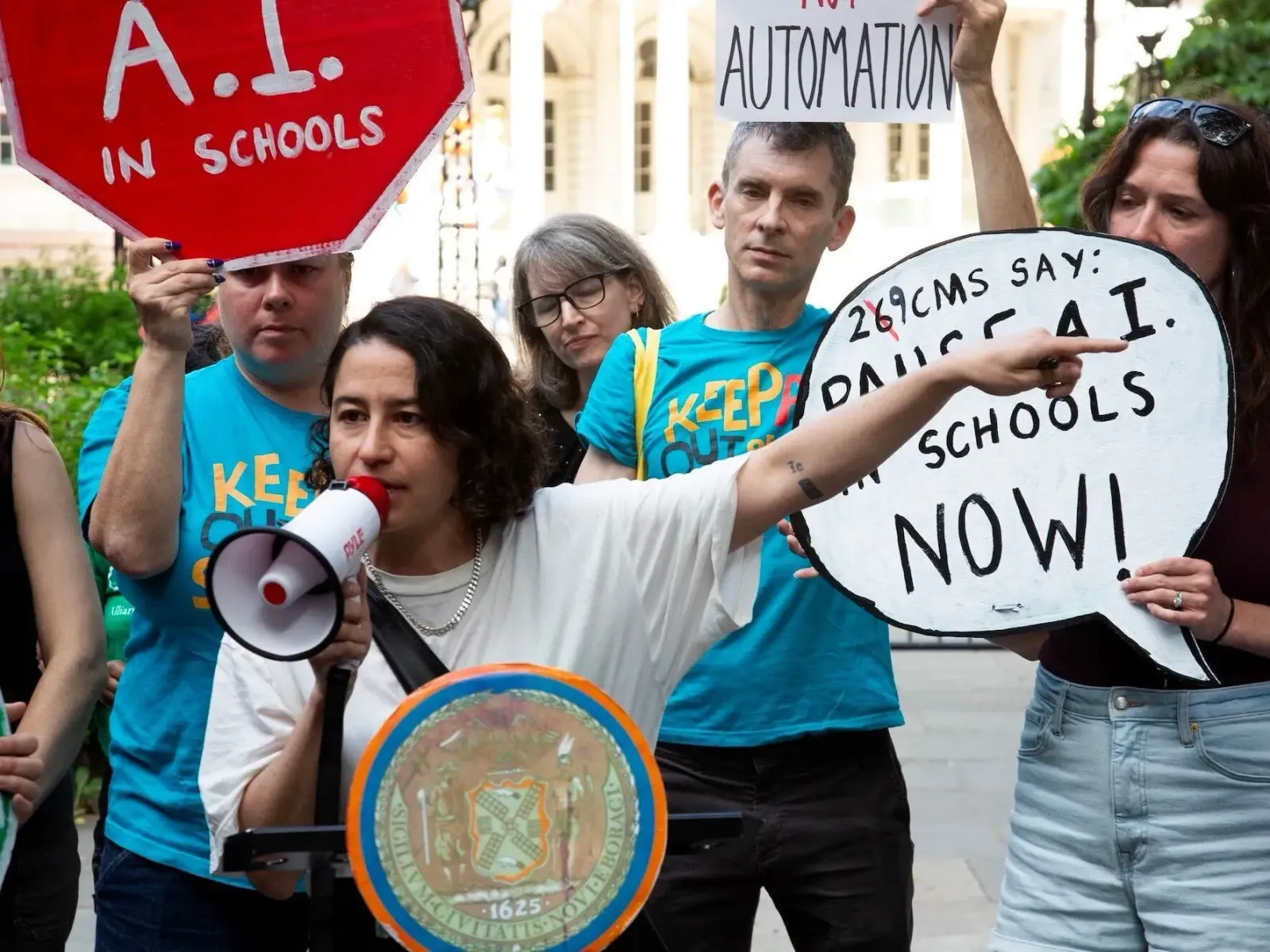
Mayor Zohran Mamdani announced a one-year moratorium on student-facing AI in NYC public schools, responding to months of lobbying from opposing parent groups. The decision freezes AI tools for elementary and middle school students, while high schoolers get limited access and teachers retain some generative AI for lesson planning.
New York City public schools have slammed the brakes on AI. Mayor Zohran Mamdani announced Wednesday a one-year moratorium on student-facing AI platforms for elementary and middle school students, capping a monthslong lobbying war between two fiercely opposed parent coalitions. One side, the AIM coalition, argued AI stunts child development; the other, backed by the National Parents Union, said kids need AI skills to survive the job market. Mamdani, who took office in January, sided with the pause - at least for now - and called the move the most "comprehensive of its kind anywhere in the country." The decision affects roughly 900,000 students in the nation's largest school district, though high schoolers still get limited access to five pilot AI programs, none of which are chatbots, and teachers keep generative AI tools for lesson planning - but not for grading.
The catalyst was a May meeting that "radicalized" Brooklyn book editor Craig Garrett. He learned his then-5-year-old daughter was using Amira, an AI chatbot, every day in class. "I was kind of horrified and shocked and disappointed," he told Business Insider. "The whole notion of a 5-year-old plugged into a tablet with their headphones on and a microphone, and speaking to this animated character that's talking to them like it's their friend is just deeply wrong." That shock helped launch the AIM (AI Moratorium) coalition, whose parents described feeling blindsided by the scope of classroom AI. They pushed for a two-year pause but settled for one, and won two meetings with NYCPS Chancellor Kevin Samuels. Liat Olenick, a group leader, recalled parents approaching her in bewilderment: "Wait, my 7-year-old's using AI? I never gave permission for that."
On the other side, Keri Rodrigues, founding president of the National Parents Union, argued the moratorium is a "hysterical response" that will leave students unprepared. She cited data showing job postings referencing AI skills have more than doubled in the last six months. "Parents want their kids to understand how to utilize this technology," she said. But Rodrigues also acknowledged AI has limits - it should never grade, counsel, or discipline students. She called the policy "a sledgehammer instead of a scalpel," a "knee-jerk political response" to a complex issue.
The policy's middle ground reflects the lobbying's outcome. While elementary and middle school students lose access to tools like Amira, the company behind it pushed back. CEO Mark Angel defended the software as a diagnostic tool for reading challenges, noting that teachers using Amira to improve literacy outcomes can still access the tools that work. Joe Philleo, CEO of Edia - one of the permitted high school pilots - praised the pause on X: "Mamdani's plan strikes a reasonable balance for this school year. Young kids should not be glued to their screens all day."
Neuroscientist Kaliris Salas-Ramirez, a Rutgers professor and NYC public school parent, backed the pause, citing research that AI use in formative years can hinder problem-solving skill development. "We're actually not allowing the brain to consolidate that information in a comprehensive way," she said. The moratorium comes amid a national reckoning over AI in classrooms, with educators worried about cheating and parents demanding regulation. Mamdani's office framed the pause as temporary, giving the district time to study AI's impact on learning.
For Garrett, whose daughter enters second grade this fall, the relief is tangible. "It's not like this app was doing something that teachers couldn't do before," he said. The broader lesson for executives: public sentiment can override product momentum, especially when parents mobilize. The NYC decision is a case study in how a vocal minority - and a majority's fear - can freeze a technology's rollout, no matter how widely adopted it seemed. For companies selling AI into schools, the regulatory goalposts just moved, and the winning argument may no longer be efficiency, but evidence of developmental safety.
This story's Key Insights and Take-aways are locked.
Create a free account to unlock Executive Actions for one credit.
Register to UnlockAlways free for Executives Club members. Join the Club
More in Business
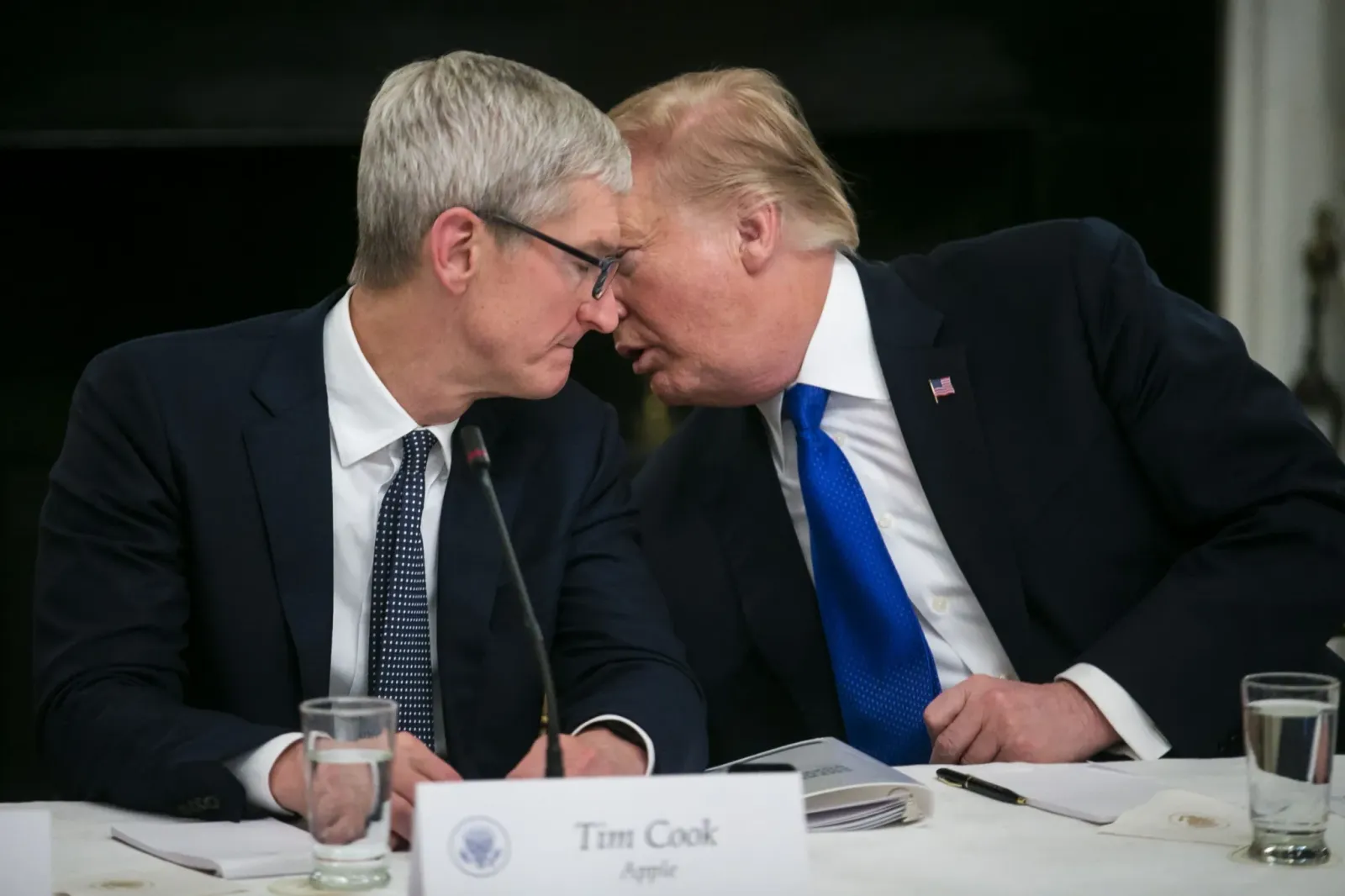
Tim Cook steps down as Apple CEO, stays on as chair with $45M equity
The 'Trump whisperer' keeps his White House and Beijing access as Apple navigates tariffs and a $4.6 trillion market cap.

Snowflake shares surge as AI data demand crushes estimates, lifting full-year forecast
Stocks jumped on stronger-than-expected guidance, signaling enterprise AI workloads are accelerating faster than Wall Street priced in.
Tim Cook's 15-year Apple CEO run ends: 3 lessons for any successor
After 15 years, Tim Cook hands Apple to John Ternus - here's how he turned a $350B company into a $4.6T juggernaut.