

Oasis Brings Swagger to Venice with Reunion Documentary
The band's first film in years taps into the nostalgia economy, and the timing couldn't be better for a comeback tour.
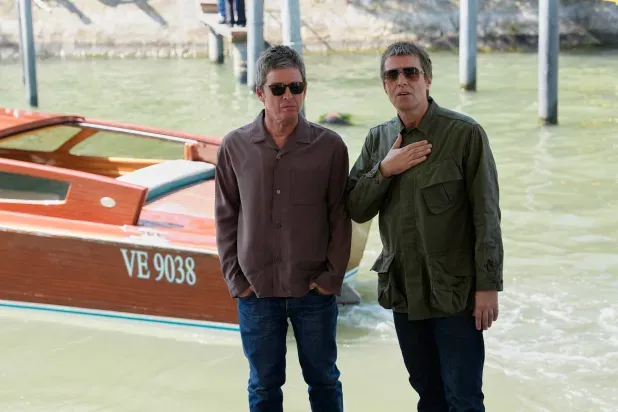
Oasis premiered a documentary at the Venice Film Festival celebrating their reunion, marking a major cultural moment for the band and their fans. For the music industry, this signals the power of nostalgia-driven content to drive ticket sales and streaming numbers.
The swagger was unmistakable on the Lido. Oasis rolled into the Venice Film Festival with a documentary that celebrates their long-awaited reunion, and the buzz was immediate. For a band that defined Britpop's brash confidence in the 1990s, the premiere wasn't just a red-carpet moment; it was a declaration that the Gallagher brothers have buried the hatchet, at least long enough to cash in on one of the most lucrative nostalgia plays in modern music. The film, which chronicles the reunion's journey, is a strategic asset disguised as a love letter to fans.
This is not merely a concert film or a retrospective. It's a carefully timed piece of marketing engineered to maximize the impact of the reunion tour that has already sent ticket prices into orbit. Music documentaries have evolved from niche passion projects into essential promotional tools for legacy acts. When a band like Oasis, whose catalog still streams millions of times weekly, decides to drop a documentary at a prestigious festival, they're signaling to the industry that the old playbook of album-and-tour is no longer enough. The film becomes a standalone product, a piece of content that can be sold to streaming platforms, generate press coverage, and deepen fan engagement before a single note is played live.
The nostalgia economy is booming, and Oasis is its latest poster child. From the resurgence of vinyl to the endless reunion tours of 90s and 2000s acts, the appetite for revisiting cultural touchstones has never been stronger. Streaming platforms are hungry for exclusive content, and a documentary about one of the most iconic bands of the era is a guaranteed draw. The Venice premiere is a masterstroke: it positions the film as art, not just commerce, giving it a prestige halo that will translate into headlines and, eventually, a lucrative streaming deal. For the band, the documentary is a low-risk, high-reward venture that reinforces their brand while generating new revenue streams.
Timing is everything, and Oasis has nailed it. The reunion tour is already underway, with fans paying premium prices for a chance to see the brothers share a stage again. The documentary capitalizes on that momentum, offering a behind-the-scenes look at the reconciliation and the preparation. It humanizes the band, turning a business venture into an emotional narrative that fans can invest in. This is a lesson for executives in any industry: when you have a moment of cultural relevance, you don't just sell the product; you sell the story behind it. The documentary is the story, and the tour is the product, and together they create a flywheel of engagement.
The swagger is part of the brand, and the film likely leans into it. Oasis was never a band that apologized for its arrogance; it was a band that wore its confidence like armor. That attitude, which once fueled tabloid feuds and legendary on-stage clashes, is now a nostalgic commodity. In an era of carefully managed celebrity personas, the raw, unfiltered energy of Oasis feels refreshing. The documentary probably captures that spirit, reminding audiences why they fell in love with the band in the first place. For the executives watching from the sidelines, the takeaway is clear: authenticity, even when it's messy, sells.
For the music industry, this is a case study in modern monetization. Live events and content are no longer separate silos; they are intertwined. A documentary like this one doesn't just promote the tour; it extends the tour's lifecycle, keeping the band in the news cycle for months. It also creates a new asset that can be repackaged, re-edited, and re-released for years to come. The model is replicable: any legacy act with a compelling story can follow this playbook. The key is to treat the documentary not as an afterthought but as a core component of the reunion strategy.
The broader implications stretch beyond music. In a world where attention is the scarcest resource, nostalgia is a powerful hook. Brands across industries are tapping into it, from rebooting old TV shows to reviving discontinued products. Oasis is showing that the most effective nostalgia is not just a reference; it's a full sensory experience. The documentary, the tour, the merchandise, the streaming numbers - all of it works together to create a cultural moment that transcends the band itself. For decision-makers, the lesson is to think in ecosystems, not individual products. When you have a beloved brand, you don't just sell it; you build a universe around it.
As the Venice premiere wraps and the film heads to streaming, the real test will be whether the documentary can convert nostalgia into sustained engagement. Early signs are promising. The buzz is real, the fans are hungry, and the band is back in the spotlight. For Oasis, the swagger is not just an attitude; it's a business model. And for anyone watching, it's a reminder that in the modern economy, the past can be the most valuable asset you own.
This story's Key Insights and Take-aways are locked.
Create a free account to unlock Executive Actions for one credit.
Register to UnlockAlways free for Executives Club members. Join the Club
More in Business
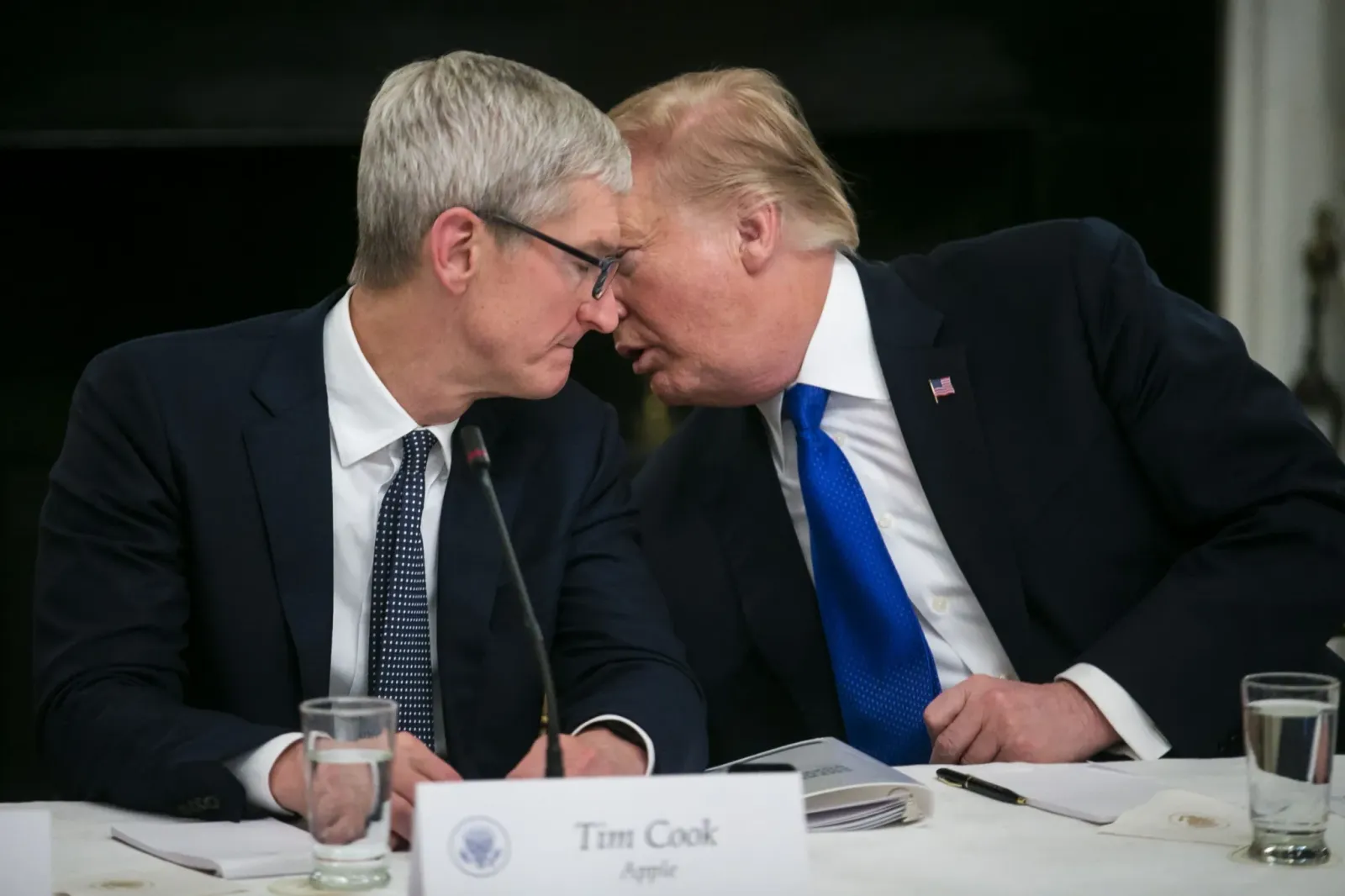
Tim Cook steps down as Apple CEO, stays on as chair with $45M equity
The 'Trump whisperer' keeps his White House and Beijing access as Apple navigates tariffs and a $4.6 trillion market cap.

Snowflake shares surge as AI data demand crushes estimates, lifting full-year forecast
Stocks jumped on stronger-than-expected guidance, signaling enterprise AI workloads are accelerating faster than Wall Street priced in.
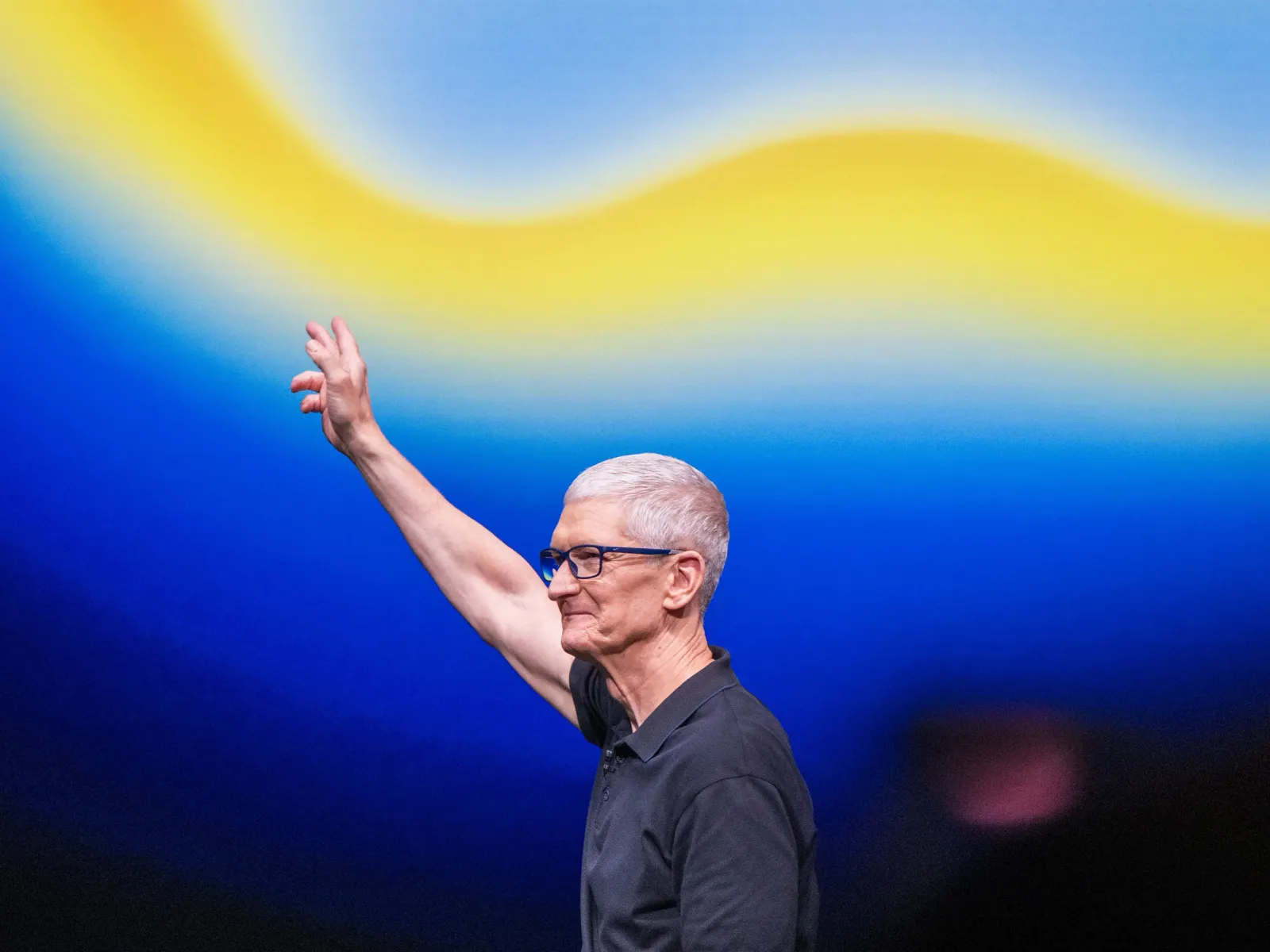
Tim Cook's 15-year Apple CEO run ends: 3 lessons for any successor
After 15 years, Tim Cook hands Apple to John Ternus - here's how he turned a $350B company into a $4.6T juggernaut.