
Obsession outscores The Mandalorian and Grogu after three weeks, despite costing far less
A low-budget horror upset shows theatrical risk is real, and Disney's big-screen bet may be pivoting to streaming.
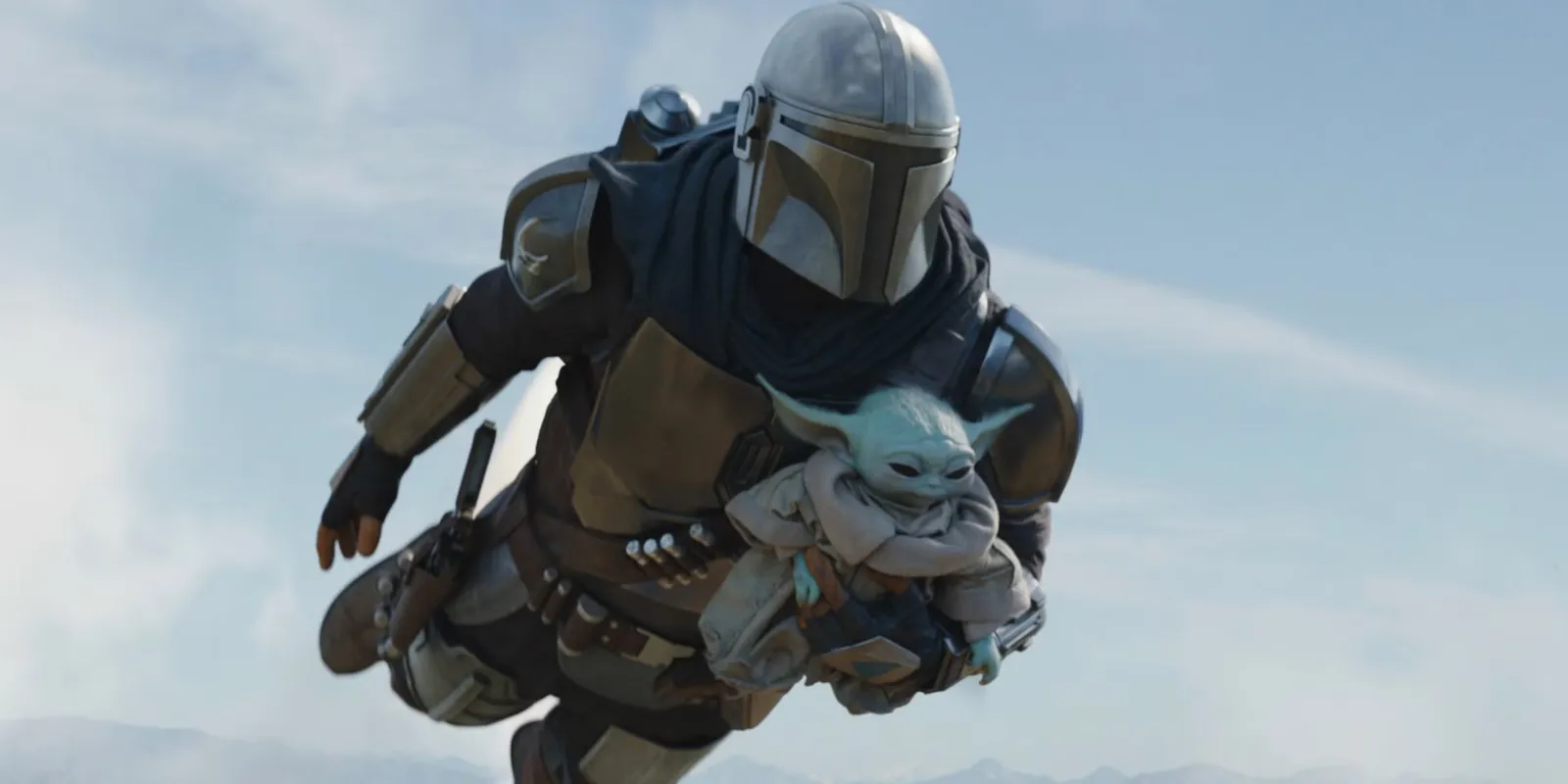
Obsession is overtaking The Mandalorian and Grogu at the box office three weeks into its theatrical run. The upset matters for decision-makers because it signals audience pull is not guaranteed by established IP and higher budgets.
Three weeks into their theatrical run, The Mandalorian and Grogu have hit a wall at the box office. Collider frames the moment bluntly: the pair “appears to have run out of fuel,” and Obsession is the one taking advantage of the slowdown.
That is the core of the upset: Obsession is overtaking The Mandalorian and Grogu at the box office even though it costs a fraction of the new Star Wars movie. The implication for leaders who think about releases like a portfolio is immediate. The market is not rewarding the “bigger franchise, bigger screen” assumption, at least not on opening momentum and not on theatrical staying power.
Collider also points to why The Mandalorian and Grogu faced an uphill battle from the start. The film is described as “the first Star Wars movie in seven years,” but it is “always a difficult sell” because it does not connect to the “culture-defining Skywalker Saga.” Instead, it is based on the popular Disney+ streaming series The Mandalorian. That distinction is not trivia. It is a direct incentive problem that affects how audiences decide whether a ticket is worth their time and money compared with just waiting for streaming.
For context, streaming and theatrical releases often serve different consumer mindsets. Streaming is convenient and low-friction. Theaters are a special-purpose decision: bigger stakes, louder environment, and a social or event component. Collider says “half the battle” was convincing audiences it was “a big-screen experience and not a streaming release.” That line is a business diagnosis. If the audience believes the movie is an extension of what they already binge at home, the willingness to pay for the theatrical format drops, and once that happens, momentum can be hard to regain.
Then came the second blow: “mediocre reviews.” Collider notes that these did “little to motivate audiences to see it in theaters.” Again, this is a mechanism, not a vibe. Reviews influence the marginal audience, especially after the initial wave of fans. When the first wave is not enough to carry the entire run, weak critical reception can reduce the rate at which new viewers convert to tickets, and box office often depends on that continuing conversion.
So where does Obsession come in? Collider frames Obsession as the counterprogramming force. While the source does not spell out Obsession’s budget or specific box office totals beyond “overtaking” and “costing a fraction,” the story is clear on the relative outcome: a lower-cost horror title is outperforming a high-cost Star Wars theatrical push in the same time window. That kind of result matters because budgets are not just cost lines, they are underwriting assumptions. A bigger-budget tentpole typically assumes a certain ceiling of audience interest, plus staying power across weeks. When that ceiling fails early enough, even a temporary mismatch can be expensive.
Collider’s closing prediction underscores what the market is really doing: The Mandalorian and Grogu “will certainly find an audience when it debuts on streaming,” but it will “likely also go down as the least successful live-action Star Wars movie of all time.” Even without additional numerical detail, that is a strategically loaded statement. It suggests that the theater window is underperforming relative to expectations, but the franchise engine may still function in the format it was built for. In other words, the distribution channel may be doing more work than the brand name.
For executives, founders, investors, and board members, the second-order lesson is not that big franchises are doomed. It is that channel fit and audience intent can overpower both legacy recognition and production spend. The strategic stakes extend beyond Star Wars. Studios and independent producers alike will look at what drove audience decisions during the “three weeks into the theatrical run” moment. If horror can win on a fraction of the cost, then theatrical underwriting models may need a sharper sensitivity to review quality, franchise-to-channel alignment, and the difference between event viewing and home viewing. Today’s theatrical performance may be less about the franchise’s cultural gravity and more about whether the audience believes the theater experience is necessary at all.
This story's Key Insights and Take-aways are locked.
Create a free account to unlock Executive Actions for one credit.
Register to UnlockAlways free for Executives Club members. Join the Club
More in Entertainment

Russell Brand's accuser 'bewildered and confused' as he denies 7 sex charges
The criminal case against the comedian is a live test of how media companies manage talent risk when serious allegations go public.

'It's a Magic Trick': Ballet Experts Say Rosalía's SNL Pose Is Impossible
Three ballet experts tell Rolling Stone Rosalía's gravity-defying SNL stillness shouldn't be possible - and why the debate is now part of the show.

Activision CMO: GTA 6 Will Boost Call of Duty, Not Bury It
Activision's top marketer says Rockstar's blockbuster will drive players back to consoles and into Modern Warfare 4, even as the company admits its recent strategy failed.