
Oil Falls $2 on Iran-Oman Talks to Reopen Hormuz
A $2 slide in crude signals traders betting the Gulf's most critical oil chokepoint may stay open, but the relief could be short-lived.
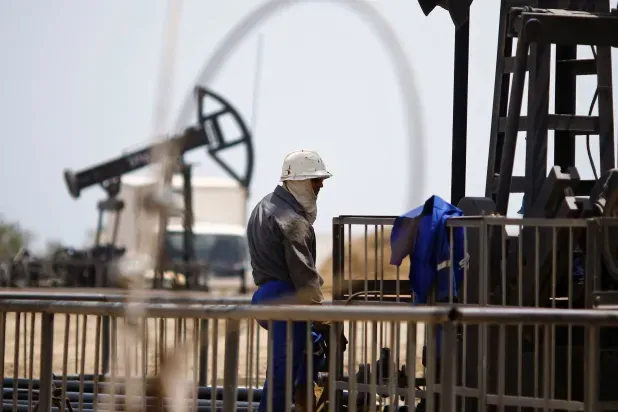
Oil prices fell by $2 a barrel following reports of talks between Iran and Oman aimed at reopening the Strait of Hormuz, a key global transit chokepoint. For energy executives and commodity traders, the dip reflects easing supply-risk premiums, though any failure of diplomacy could reverse the move quickly.
Oil prices dropped $2 a barrel on the back of reports that Iran and Oman have opened talks to reopen the Strait of Hormuz, the narrow waterway that carries roughly a fifth of the world's oil supply. The move signals traders are pricing in a reduced risk of a supply disruption that would have sent crude sharply higher, and it hands a small but immediate reprieve to consumers still feeling the weight of energy costs.
The decline, while modest in percentage terms, matters because it shows how quickly geopolitical headlines can move the physical oil market. A full closure of the Strait of Hormuz would force tankers, insurers, and commodity traders to reroute cargoes around the Arabian Peninsula, a longer and costlier journey that would lift prices well beyond $2. The very fact that Iran and Oman are discussing the strait's status implicitly acknowledges a scenario that markets have long feared but never fully priced.
For context, the strait between Iran and Oman links the Persian Gulf with the Gulf of Oman and the open ocean. Roughly 20 million barrels of crude and refined products pass through it daily, around 20 percent of global consumption. Any threat to that chokepoint historically triggers a risk premium in Brent and WTI futures, and any hint of de-escalation typically removes that premium just as fast. This latest move is a textbook example of that sensitivity.
Talks between Iran and Oman are not new; Oman has long served as a diplomatic intermediary in the region. But the framing of these discussions as focused on the strait's reopening is notable because it acknowledges the possibility of closure, a scenario that has hung over markets for years. The Islamic Revolutionary Guard Corps has periodically threatened to close the strait in response to sanctions or military pressure, making any diplomatic channel a meaningful signal to traders.
For oil traders, the $2 move is a repricing of probabilities. Investors had been carrying a premium for the risk of disruption; the talks suggest that premium may have been overdone. However, energy executives should be cautious: diplomatic signals often break down, and the same volatility can reverse within hours if negotiations stall. The market is now watching for tangible next steps, not just statements.
A sustained reopening of Hormuz would also have wider implications beyond oil. Natural gas exports, mostly LNG from Qatar, pass through the same waterway. Insurance rates for tankers, freight costs, and even fuel prices at the pump in importing countries are all pegged to the stability of this transit route. For CFOs managing energy budgets in shipping, airlines, and manufacturing, any durable de-escalation would feed directly into cost assumptions for the second half of the year.
The talks also give clues about Iran's diplomatic posture. Engaging Oman on a maritime security issue could signal Iran's willingness to reduce tensions with the West as it seeks relief from sanctions. Yet Tehran has made similar gestures before without follow-through. Boards that oversee energy infrastructure or operate in the Gulf should watch for concrete operational changes, such as tanker insurance adjustments or naval escort announcements, rather than rely solely on headlines.
For now, the $2 drop is a welcome signal for consumers and a reminder that geopolitics remains the wildcard in every energy forecast. The wise play is to hedge against both outcomes: a fast reopening and a sudden closure. Markets will keep watching the talks in Muscat and Tehran for the next clue, and the next move in crude could be far larger than $2.
This story's Key Insights and Take-aways are locked.
Create a free account to unlock Executive Actions for one credit.
Register to UnlockAlways free for Executives Club members. Join the Club
More in Business
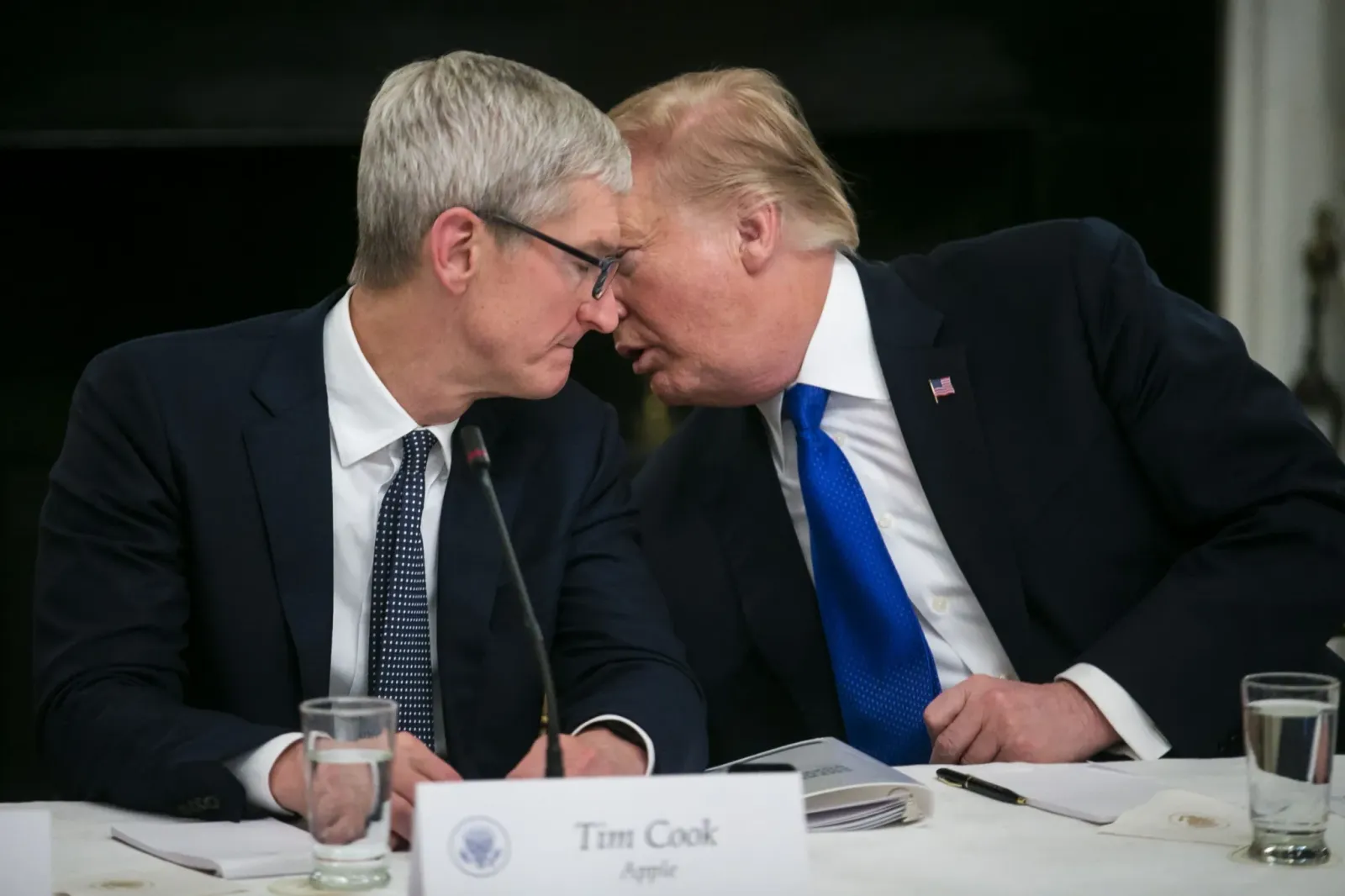
Tim Cook steps down as Apple CEO, stays on as chair with $45M equity
The 'Trump whisperer' keeps his White House and Beijing access as Apple navigates tariffs and a $4.6 trillion market cap.

Snowflake shares surge as AI data demand crushes estimates, lifting full-year forecast
Stocks jumped on stronger-than-expected guidance, signaling enterprise AI workloads are accelerating faster than Wall Street priced in.

Tim Cook's 15-year Apple CEO run ends: 3 lessons for any successor
After 15 years, Tim Cook hands Apple to John Ternus - here's how he turned a $350B company into a $4.6T juggernaut.