

Oil tops $100 a barrel for first time since July as Iran conflict escalates
Brent crude jumps 3% as US-Iran clashes and Houthi attacks on Saudi cities threaten supply routes.
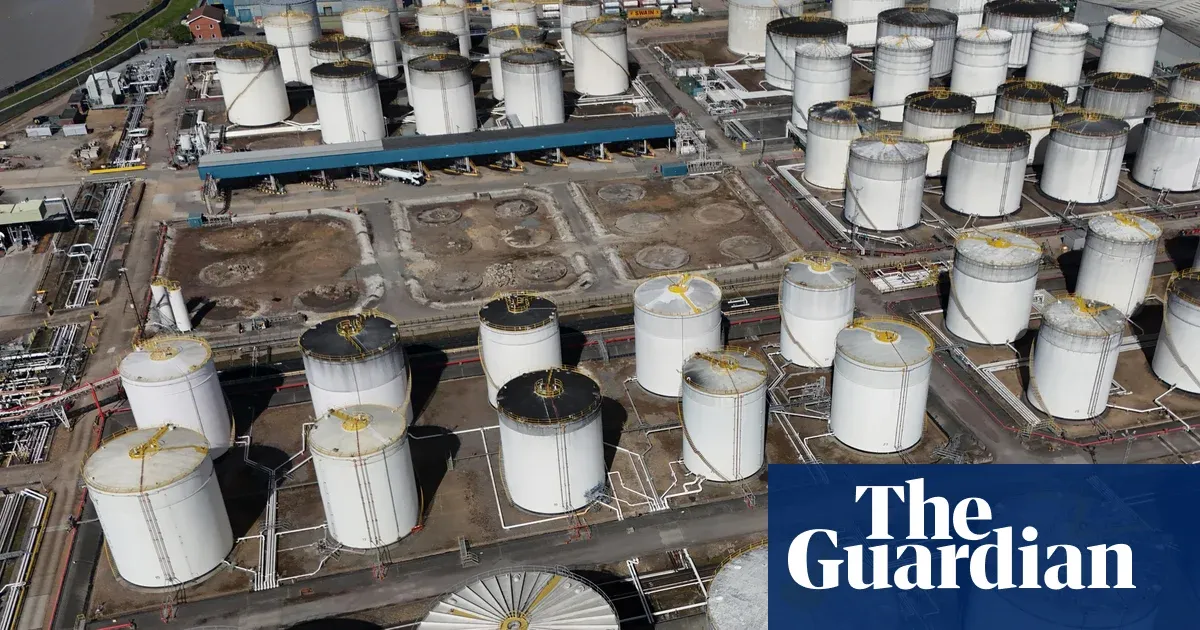
Brent crude rose above $100 a barrel for the first time since July, climbing more than 3% to top $101. The surge reflects escalating US-Iran conflict in the Gulf and Houthi attacks on Saudi cities, raising supply disruption risks for global energy markets.
Brent crude, the international benchmark for oil prices, surged past $100 a barrel on Monday for the first time since July, climbing more than 3% to top $101. The jump came as escalating conflict between the US and Iran in the Gulf, along with Houthi attacks on Saudi cities, raised fresh concerns about supply disruptions. The move marks a return to triple-digit prices after a months-long lull, and it signals that the geopolitical risk premium is back in full force.
The latest escalation represents a significant uptick in tensions that have simmered for months. The US and Iran have exchanged fire in the Gulf, while Houthi rebels have targeted Saudi cities, adding a new layer of risk to the region's oil infrastructure. These attacks directly threaten the flow of crude through the Strait of Hormuz, a critical chokepoint for global energy supplies. Any disruption there would have immediate and severe consequences for oil markets worldwide.
Oil prices have been volatile in recent weeks as traders weighed the risk of supply disruptions against concerns about global demand. The move above $100 indicates that supply fears are now dominating the market narrative. For businesses, this translates into higher energy costs, which can feed into inflation and squeeze margins across industries. Transportation, logistics, petrochemicals, and manufacturing are particularly exposed to the spike.
The last time Brent traded above $100 was in July, before a period of relative calm in the market. Since then, prices had drifted lower amid concerns about slowing economic growth and ample supply. But the current escalation has reversed that trend, with traders now pricing in the possibility of significant supply losses. The speed of the move underscores how quickly geopolitical events can reshape the energy landscape.
For CFOs and procurement teams, the spike in oil prices is a reminder of the fragility of global supply chains. Companies that rely on shipping, freight, or fuel-intensive operations will feel the pinch immediately. Hedging strategies and contingency planning become more critical as geopolitical risks remain elevated. Executives should also watch for knock-on effects in related commodities, such as natural gas and refined products, which often move in tandem with crude.
Higher oil prices also have macroeconomic consequences. They can stoke inflation, prompting central banks to keep interest rates higher for longer. That could weigh on consumer spending and corporate borrowing costs. The ripple effects extend beyond energy-intensive sectors, affecting everything from airline tickets to packaged goods. For businesses, this means that the oil shock could translate into both higher input costs and softer demand, a challenging combination.
Investors will be watching for further escalation in the coming days. Any major disruption to oil infrastructure could push prices even higher. Conversely, diplomatic efforts to de-escalate could bring quick relief. For now, the market is bracing for more volatility, and options pricing suggests traders expect significant swings in the near term. The situation in the Gulf remains fluid, and the cost of inaction could be steep.
The return of triple-digit oil prices underscores how quickly geopolitical events can reshape the economic landscape. For business leaders, the key takeaway is to stay agile and prepare for a range of scenarios. That means stress-testing supply chains, reviewing hedging positions, and monitoring inflation signals closely. The current crisis is a stark reminder that energy security is not just a macro concern-it is a bottom-line issue for every company.
This story's Key Insights and Take-aways are locked.
Create a free account to unlock Executive Actions for one credit.
Register to UnlockAlways free for Executives Club members. Join the Club
More in Business

Apple unveils first foldable iPhone Duo with 7.6-inch display under new CEO Ternus
Apple's first foldable, the iPhone Duo, marks a major product bet for new CEO John Ternus, with a 7.6-inch unfolded screen.
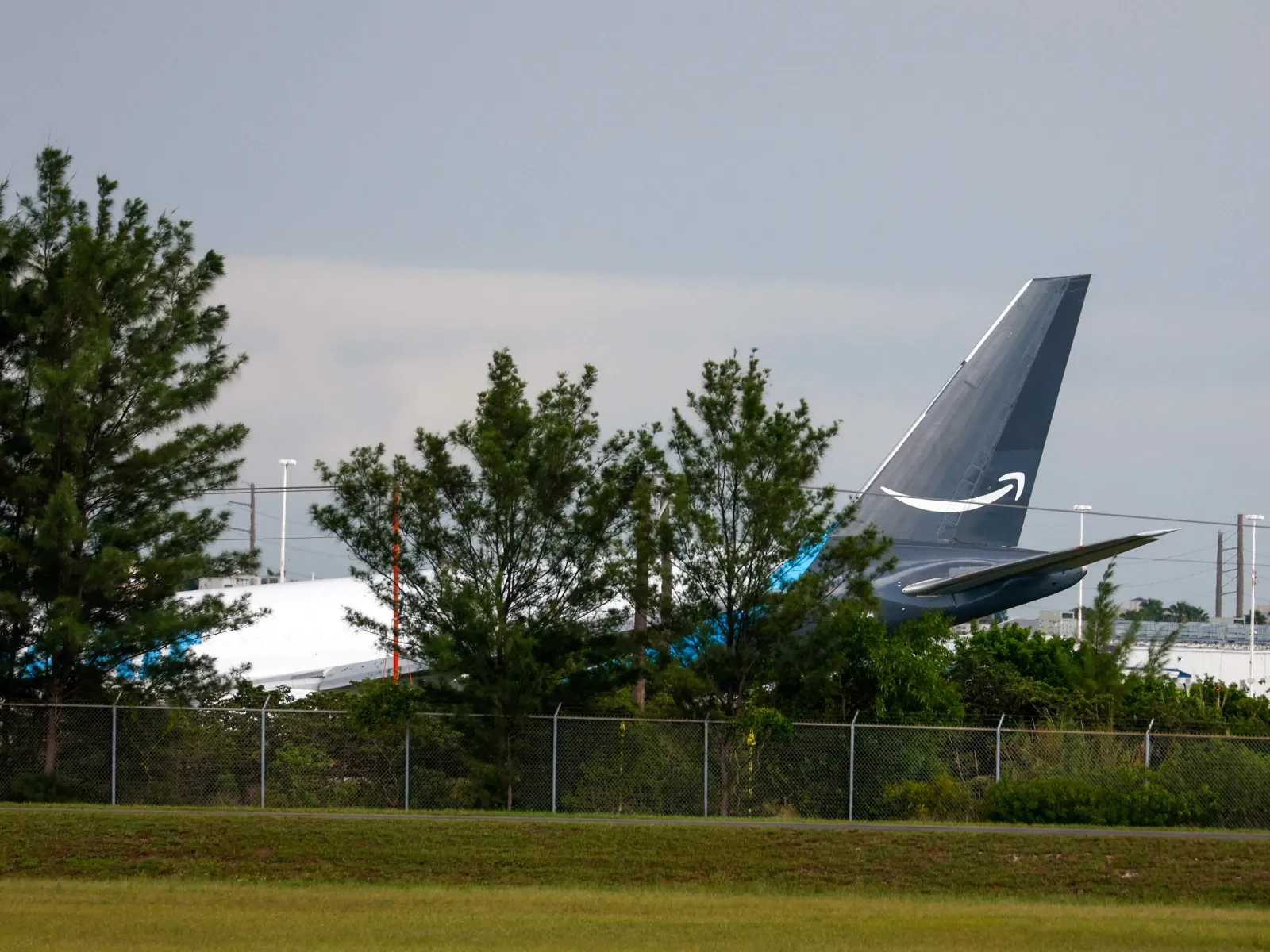
Amazon Prime Air 767 overshoots Miami runway, killing at least 5
The Boeing 767 freighter from San Juan struck vehicles and erupted in flames, prompting a ground stop and a fresh NTSB investigation into Amazon's air cargo network.

Death sentence for TV presenter Sarah Khalifa: Egypt's drug case hits media
The sentencing of Sarah Khalifa and 11 others underscores the severity of Egypt's anti-drug laws and the exposure of public figures to capital punishment.