
Olivia Rodrigo joins Smashing Pumpkins for “Thirty-Three” at Lollapalooza Friday night
Her surprise set at Chicago's Grant Park, plus Yungblud and Melissa Auf der Maur, reshapes the festival's moment.
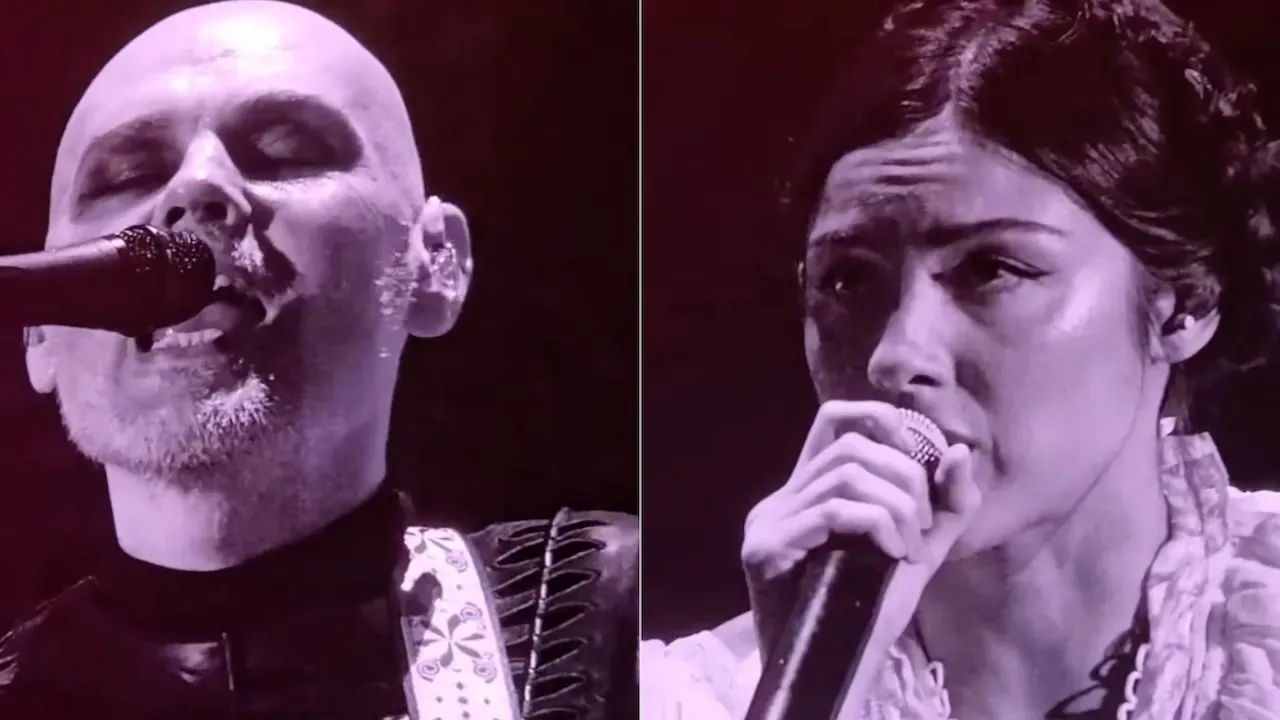
Olivia Rodrigo returned to Lollapalooza in Chicago's Grant Park on Friday night and joined The Smashing Pumpkins on stage for “Thirty-Three” from Mellon Collie and the Infinite Sadness. Yungblud and Melissa Auf der Maur also appeared as surprise guests, showing how live collaboration can upend a predictable lineup narrative.
Olivia Rodrigo came back to Lollapalooza at Chicago's Grant Park on Friday night, and instead of doing what fans expected, she did something messier and more interesting. She joined The Smashing Pumpkins on stage for “Thirty-Three” from Mellon Collie and the Infinite Sadness. That single song choice matters because it signals a deliberate crossover moment, not a routine “tour stop” appearance.
The key detail for anyone trying to read the room is timing and format. Last year, she headlined. This year, she returned, but as a guest on a classic set, with the surprise arrival somewhat “spoiled by an airport spotting.” That tells you the modern playbook for major pop events is half performance, half public discovery. Even when the surprise is real, the internet starts pre-selling the moment before the first note lands.
From a business and media standpoint, this is exactly the kind of move that turns a festival from a schedule into a story. Headliners are the plan. Surprise guests are the friction. The minute Rodrigo walked into The Smashing Pumpkins' world for “Thirty-Three,” the audience got a fresh narrative arc: not “who’s on next,” but “who can collide with whom.” In live entertainment, those collisions are high-leverage because they generate additional coverage, clip velocity, and rewatch value long after the last encore.
There’s also the setlist signaling layer. “Thirty-Three” comes from Mellon Collie and the Infinite Sadness, a landmark in The Smashing Pumpkins’ catalog. Rodrigo's decision to connect her appearance to a specific track ties her mainstream visibility to a legacy artifact that fans have debated and cherished for years. The performance becomes a bridge between different audience segments, and that bridge is the asset. When executives think about brand partnerships, they usually talk about audience overlap. Here, it’s happening in real time, on a festival stage.
Then there are the additional surprise guests: Yungblud and Melissa Auf der Maur. Their appearances widen the collaboration net. For Rodrigo, that means the spotlight is not just on her as a star guest, but on the ecosystem of artists stacking together to create an unpredictable evening. For the festival organizers, it’s also a demonstration of booking flexibility, the ability to add value without changing the entire event thesis. The audience comes for the lineup and leaves with the feeling that they got something extra.
Second-order implications show up fast when you think about how this kind of moment performs across platforms. A headline act joining another act for a deep-cut or iconic song becomes a clip, a reaction thread, a comparison debate, and a “remember when” post all in the same night. That creates a distribution advantage that no static schedule can match. Executives running entertainment businesses, labels, or platforms should care because the distribution is no longer purely tied to broadcast or traditional media. It is tied to who shows up, what song gets played, and how quickly the story spreads.
There’s no regulator or filing story in the source, but the broader regulatory context still matters indirectly for decision-makers in media. In many jurisdictions, festivals and live events operate under complex permitting, public safety rules, and broadcast or recording considerations. Surprise performances intensify the operational load, especially if the guest appearances are widely shared in advance. Even when the legal framework is unchanged, the operational reality is: more people filming, more staff coordinating, and more pressure on stage management to keep the flow intact.
So what should peers in similar roles take from this? If you’re an executive who manages an artist brand, a festival slate, a touring strategy, or a media partnership, Rodrigo's Friday night move is a reminder that surprise is not randomness. It is a planned kind of uncertainty. The headline fact is simple, but the impact is structural: when a major artist joins another iconic act for a specific song, it reframes the event’s value, accelerates digital coverage, and turns a single night into a multi-day story cycle. That is how moments turn into momentum.
This story's Key Insights and Take-aways are locked.
Create a free account to unlock Executive Actions for one credit.
Register to UnlockAlways free for Executives Club members. Join the Club
More in Entertainment

'It's a Magic Trick': Ballet Experts Say Rosalía's SNL Pose Is Impossible
Three ballet experts tell Rolling Stone Rosalía's gravity-defying SNL stillness shouldn't be possible - and why the debate is now part of the show.

Activision CMO: GTA 6 Will Boost Call of Duty, Not Bury It
Activision's top marketer says Rockstar's blockbuster will drive players back to consoles and into Modern Warfare 4, even as the company admits its recent strategy failed.
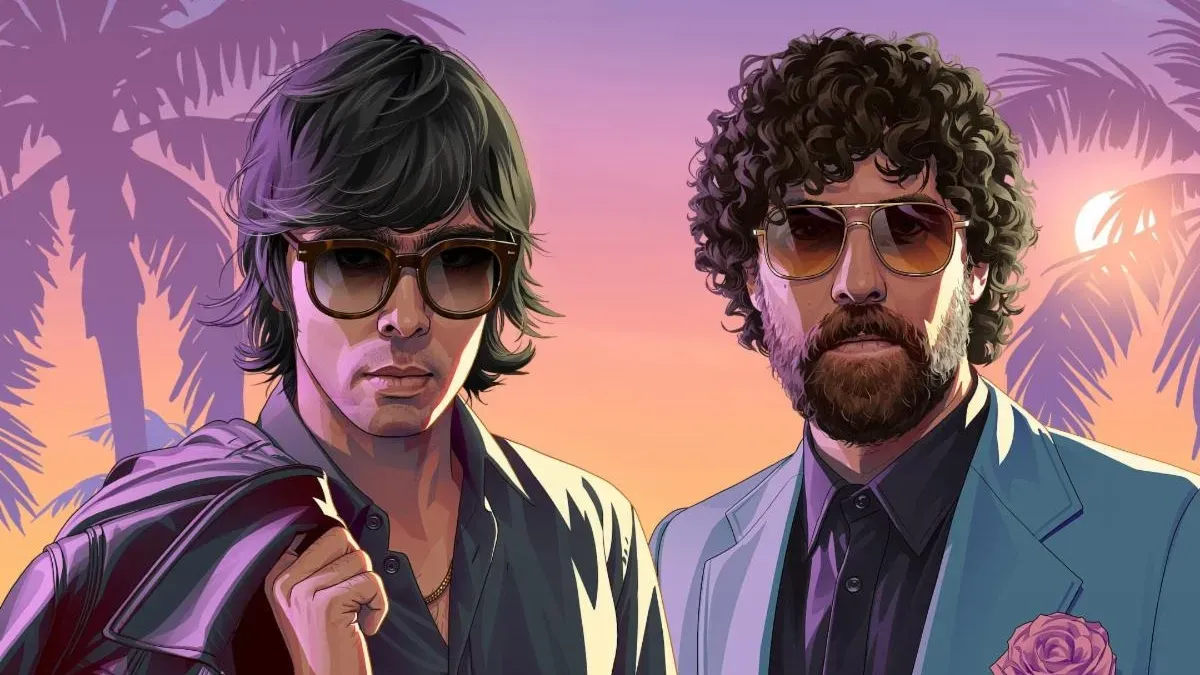
Justice to Score GTA 6, Share New Song with Tame Impala, SZA, King Gizzard
Rockstar taps the French duo for the GTA VI score, and the first taste is a genre-melting collab with Tame Impala, SZA, and King Gizzard & The Lizard Wizard.