

Only 24% of pharma execs bet on AI for drug success, Citi survey finds
A new Citi survey shows pharma leaders embrace AI in research but doubt it will drive actual drug approvals, exposing a gap between hype and expectations.

Citi's survey of pharmaceutical executives reveals near-universal adoption of AI in drug research, yet only 24% expect AI to meaningfully improve drug success rates, according to John Yung, head of Asia healthcare research at the US investment bank. The disconnect signals that AI's near-term impact on R&D productivity may be more incremental than transformative, prompting executives to recalibrate investment and partnership strategies.
Pharmaceutical companies have rushed to integrate artificial intelligence into their drug discovery pipelines, with nearly all executives now saying their organizations use AI in some form of research. But a new survey from Citi, released Tuesday, exposes a striking gap between adoption and belief: only 24% of pharma executives expect AI to actually make drugs succeed. The finding underscores a growing skepticism beneath the industry's AI enthusiasm, even as billions flow into AI-driven biotech startups and partnerships with tech giants like Nvidia and Microsoft.
John Yung, head of Asia healthcare research at Citi, framed the tension in a single sentence: "The biggest risk to the AI-powered drug discovery thesis is not that AI fails to accelerate discovery," he said. "The stronger risk is that acceleration does not translate into better drugs or higher probability of approval." In other words, AI may speed up the process of finding candidates, but it does not necessarily improve the odds that those candidates will clear clinical trials and reach patients. That distinction is critical for investors and executives who have poured capital into AI-centric drug developers, many of which have yet to produce a single approved medicine.
The survey, which polled executives across global pharmaceutical firms, found that AI adoption is now nearly universal in areas like target identification, molecule design, and clinical trial optimization. Yet the confidence in AI's ability to change the fundamental success rates of drug development remains low. Historically, only about 10% of drug candidates that enter Phase 1 clinical trials eventually gain regulatory approval, a figure that has barely budged in decades despite advances in genomics, high-throughput screening, and now AI. The Citi data suggests that even the most optimistic executives do not see AI flipping that statistic dramatically in the near term.
This disconnect has real consequences for how pharma companies allocate resources. If AI is viewed primarily as a productivity tool rather than a success-rate multiplier, then the business case for expensive AI infrastructure and acquisitions weakens. Several large pharma companies have signed multi-billion-dollar deals with AI startups, such as Roche's partnership with Genentech and AstraZeneca's collaboration with BenevolentAI, betting that machine learning can shave years off discovery timelines. But if the ultimate metric is approval rates, those deals may not deliver the expected returns. Yung's warning suggests that investors should scrutinize whether AI-driven pipelines are actually producing more diverse, more targeted, or more effective candidates, rather than just generating more data points.
The survey also highlights a regional divergence. While US and European pharma executives express cautious optimism about AI, their Asian counterparts appear even more skeptical, according to the report. This may reflect differences in regulatory environments, data access, and the maturity of AI ecosystems. In China, for example, the government has pushed AI adoption in healthcare, but the country's drug regulator has also tightened approval standards, making it harder for AI-discovered drugs to gain fast-track status. Meanwhile, Japanese pharma firms have historically been conservative in adopting new technologies, preferring to wait for proven results before scaling up.
For executives, the practical takeaway is to manage expectations. AI is unlikely to be a silver bullet that solves the industry's productivity crisis, which has seen R&D costs soar while output stagnates. Instead, AI should be deployed where it can have the most immediate impact: reducing the time and cost of early-stage research, improving patient stratification in clinical trials, and identifying biomarkers that predict response. These are incremental gains, but they can compound over time. The danger, Yung suggests, is that companies overpromise on AI's ability to deliver blockbuster drugs, leading to disappointment among investors and regulators when those promises fall short.
For boards and C-suite leaders, the Citi survey is a reminder to separate hype from substance. AI adoption is no longer a differentiator; it is table stakes. The real question is whether AI investments are tied to clear, measurable outcomes, such as the number of candidates entering Phase 2, the probability of success at each stage, or the cost per approved drug. Companies that can demonstrate AI's value in these terms will be better positioned to attract capital and partnerships. Those that cannot may find themselves stuck with expensive tools that produce impressive-looking data but few new medicines.
Looking ahead, the industry is likely to see a consolidation of AI capabilities, with a few winners emerging among AI-native biotechs and a shakeout among those that fail to show clinical progress. The next few years will be telling: several high-profile AI-discovered drugs are expected to read out late-stage trial results, including candidates from Exscientia, Recursion, and Insilico Medicine. If those trials succeed, the narrative will shift. If they fail, the 24% figure may look optimistic. For now, the prudent path is to treat AI as an accelerator, not a savior, and to keep the ultimate goal in mind: better drugs for patients, not just faster ones.
This story's Key Insights and Take-aways are locked.
Create a free account to unlock Executive Actions for one credit.
Register to UnlockAlways free for Executives Club members. Join the Club
More in Business
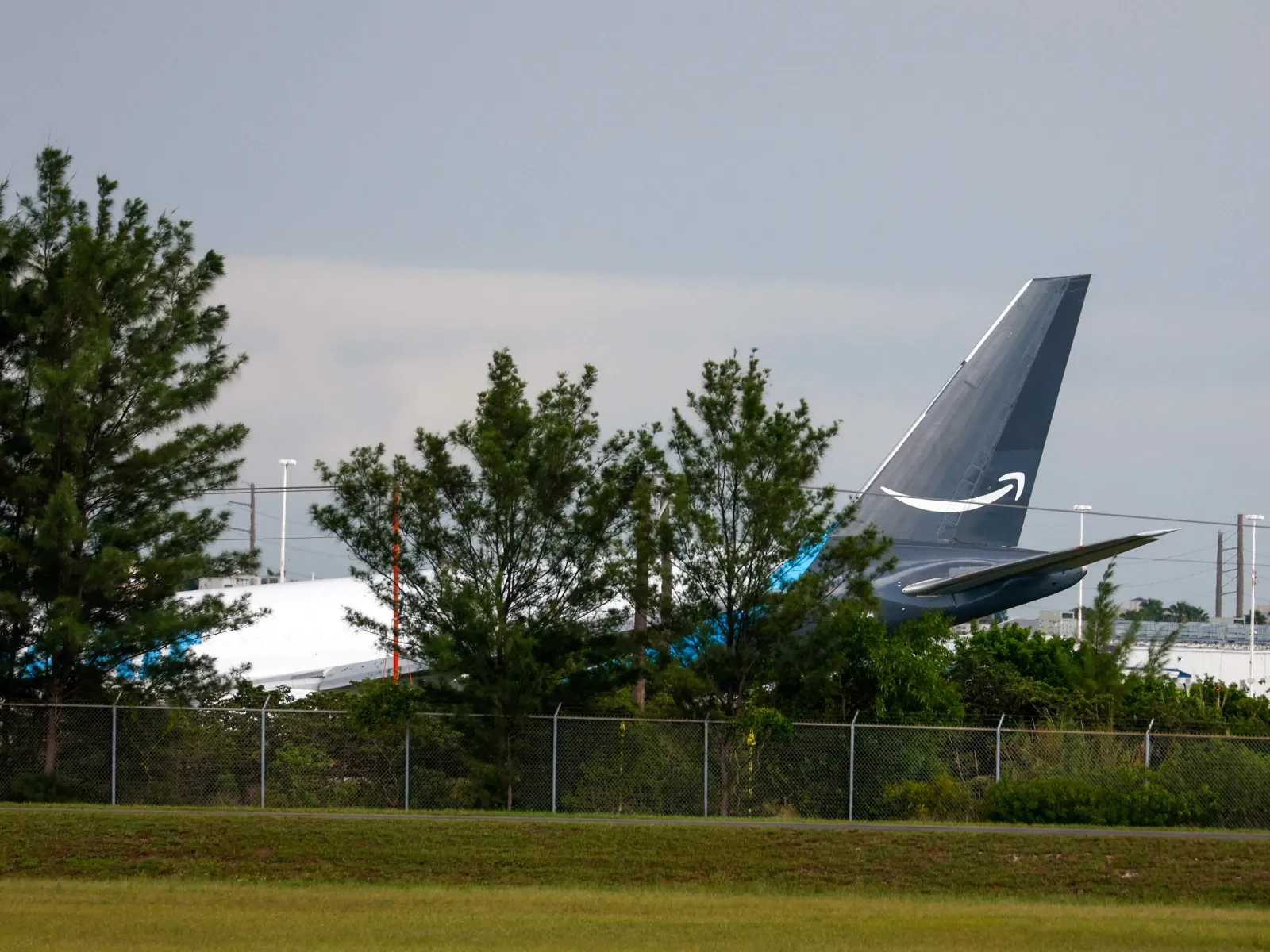
Amazon Prime Air 767 overshoots Miami runway, killing at least 5
The Boeing 767 freighter from San Juan struck vehicles and erupted in flames, prompting a ground stop and a fresh NTSB investigation into Amazon's air cargo network.

Death sentence for TV presenter Sarah Khalifa: Egypt's drug case hits media
The sentencing of Sarah Khalifa and 11 others underscores the severity of Egypt's anti-drug laws and the exposure of public figures to capital punishment.
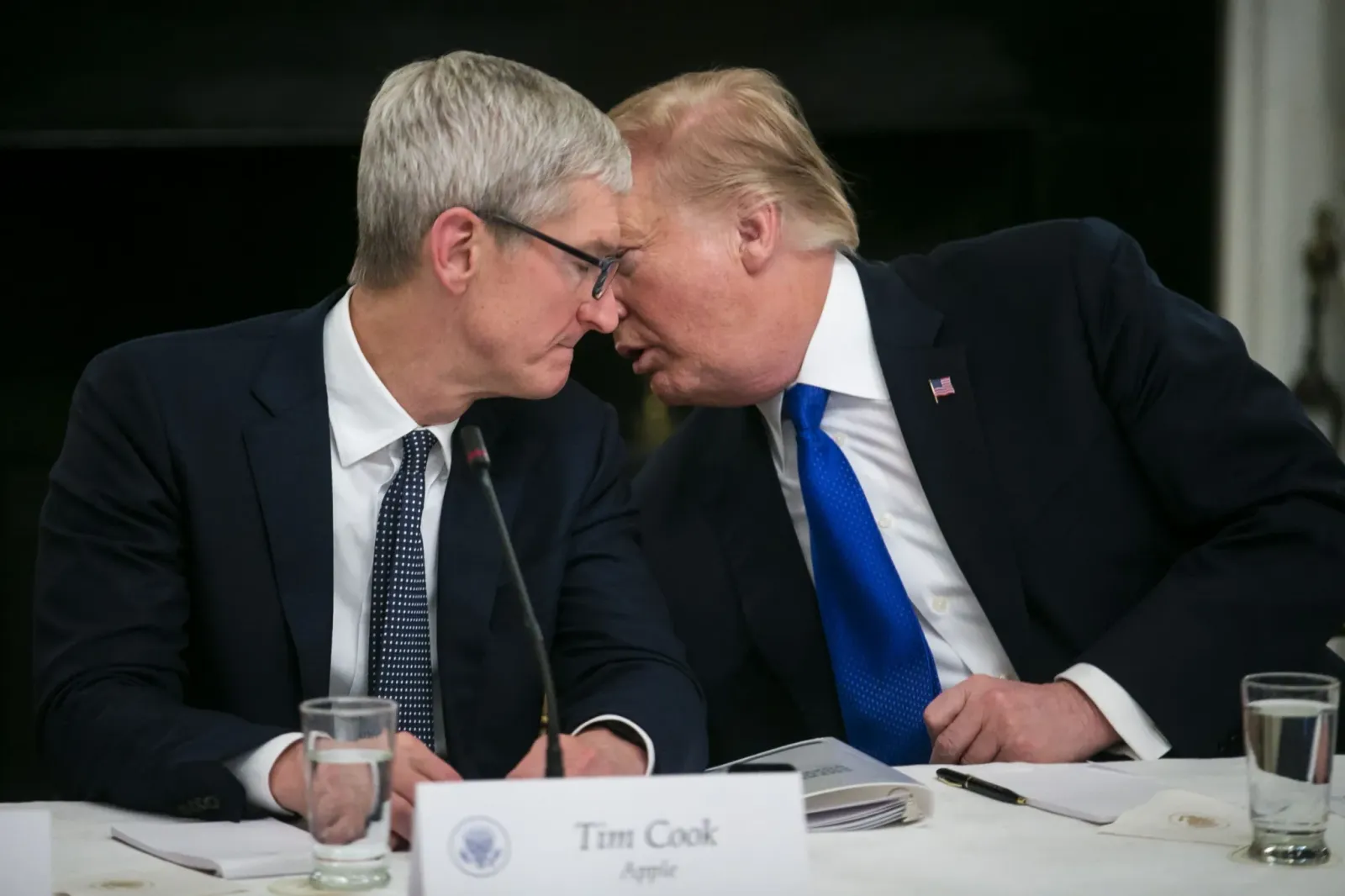
Tim Cook steps down as Apple CEO, stays on as chair with $45M equity
The 'Trump whisperer' keeps his White House and Beijing access as Apple navigates tariffs and a $4.6 trillion market cap.