

OpenAI and Broadcom unveil custom chip design sized for 10 gigawatts
A custom AI chip push from OpenAI and Broadcom signals real scale, with electricity demand pegged at 10 gigawatts.
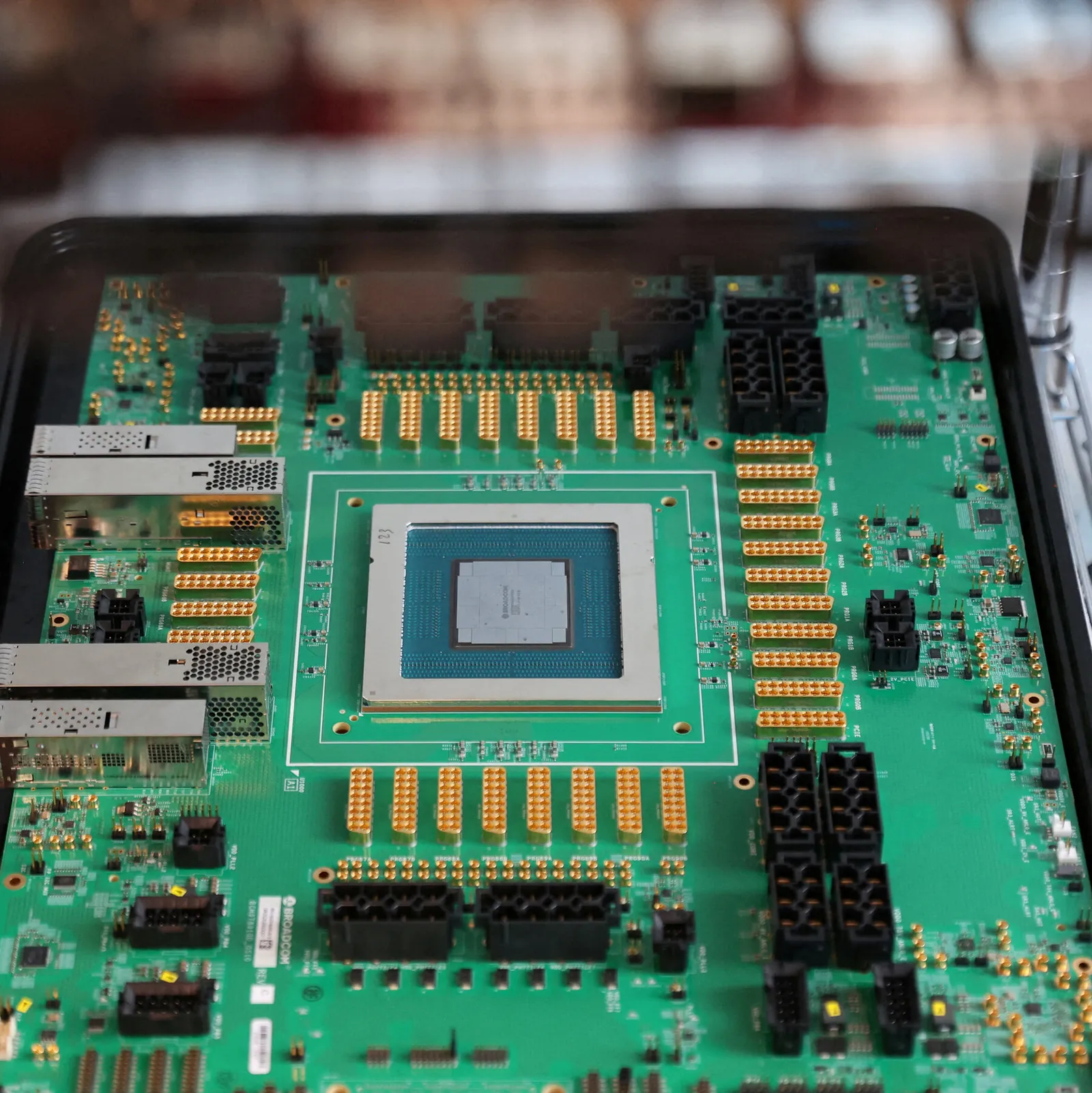
OpenAI and Broadcom have unveiled custom A.I. chip design plans tied to the computing needs of the ChatGPT maker. The project’s power requirement, 10 gigawatts, forces decision-makers to think about energy, infrastructure, and capacity constraints alongside model growth.
OpenAI and Broadcom have unveiled custom A.I. chip design plans, and the scale is the headline: OpenAI plans to use enough chips to consume 10 gigawatts of electricity. Ten gigawatts is not a marketing metaphor. It is a real, physical load that, depending on how it is powered, could translate into electricity consumption on the scale of powering millions of households.
That electricity number matters because it changes the conversation from “who builds the best model” to “who can reliably supply the compute.” In other words, the bottleneck is no longer just chips or software. It is power availability, data-center capacity, and the ability to run hardware continuously without tripping operational constraints. When a ChatGPT maker is effectively pointing the industry at 10 gigawatts, investors, boards, and operators have to treat energy as a first-order resource, not a footnote.
This is where custom silicon becomes more than a tech flex. General-purpose chips can be great, but they still require trade-offs in power efficiency, performance-per-watt, and workflow fit. Custom chip design aims to tune the hardware to the model’s needs and to improve economics at scale. And scale is the whole point: the original reported plan ties the chip consumption to a very large electricity footprint. If the compute grows, the energy demand grows with it, so the chip strategy and the infrastructure strategy are linked.
For decision-makers, the second-order impact is straightforward: the “compute roadmap” turns into a “capacity roadmap.” Boards evaluating AI companies increasingly have to ask questions that used to live in utilities and industrial operations. Where will power come from? How quickly can it be added? Can the company secure the right electrical capacity without delays? Even without naming specific suppliers beyond Broadcom in the reported development, the logic is unavoidable: you can only run what you can feed.
There is also a regulatory and policy backdrop to this kind of load. Electricity consumption at that level tends to attract scrutiny, particularly around grid strain, permitting for new data centers, and how quickly energy infrastructure can expand. While the source excerpt focuses on the chip design and the 10 gigawatts figure, the implication for regulators is the same across jurisdictions: high-density compute becomes a planning issue. That means companies that treat power as an afterthought may find themselves negotiating with the world later than their competitors.
Custom chip initiatives can help on efficiency, which can reduce power per unit of compute. But efficiency gains do not automatically erase total energy needs when overall demand grows. If the plan is built to consume enough chips for 10 gigawatts, then the relevant question for boards becomes: what happens when efficiency improves but usage expands anyway? The total electricity number still sets the ceiling for what the company must secure.
There is another layer: operational risk. Data centers are complex systems with procurement cycles, engineering constraints, and maintenance schedules. A scale target tied to gigawatt-level consumption increases the consequences of execution slips, whether that is hardware ramp timing or power delivery delays. In governance terms, that means management needs clear milestones and contingency planning, and directors need reporting that translates engineering progress into operational and energy risk, not just model benchmarks.
Peers in the AI hardware and platform space should treat this as a sector signal. OpenAI and Broadcom are effectively quantifying the energy reality behind “custom chips for the future.” If the ChatGPT ecosystem points at electricity demand that could power millions of households, then other AI builders should anticipate similar pressure. Investors and operators will look for companies that not only build chips, but also line up power, infrastructure, and credible ramp plans. The strategic stakes are simple: the winner is not only the team with the best algorithm. It is the team that can scale compute without getting stuck waiting for electricity.
This story's Key Insights and Take-aways are locked.
Create a free account to unlock Executive Actions for one credit.
Register to UnlockAlways free for Executives Club members. Join the Club
More in Technology

Nvidia's $89B data center quarter: the 9 companies cashing in
The AI buildout is minting fortunes beyond GPUs, and memory, cloud, and cooling suppliers are riding the same wave.

Google quietly links your phone number to every Android account on your SIM
Adding a SIM now ties your phone number to all Google accounts - and future accounts inherit it. Here's the security and privacy stakes.

Hijacker AI 'Skynet mode' runs 100,000 attack steps against exposed models
Symantec caught a criminal AI agent that borrows other models, steals data, and mines crypto; the only relief is no confirmed victims yet.