

OpenAI CEO Sam Altman says accept AI hacks, scams for benefits
The OpenAI chief's call for light-touch AI regulation lands as one of his own safety experts quits, citing a broken culture.
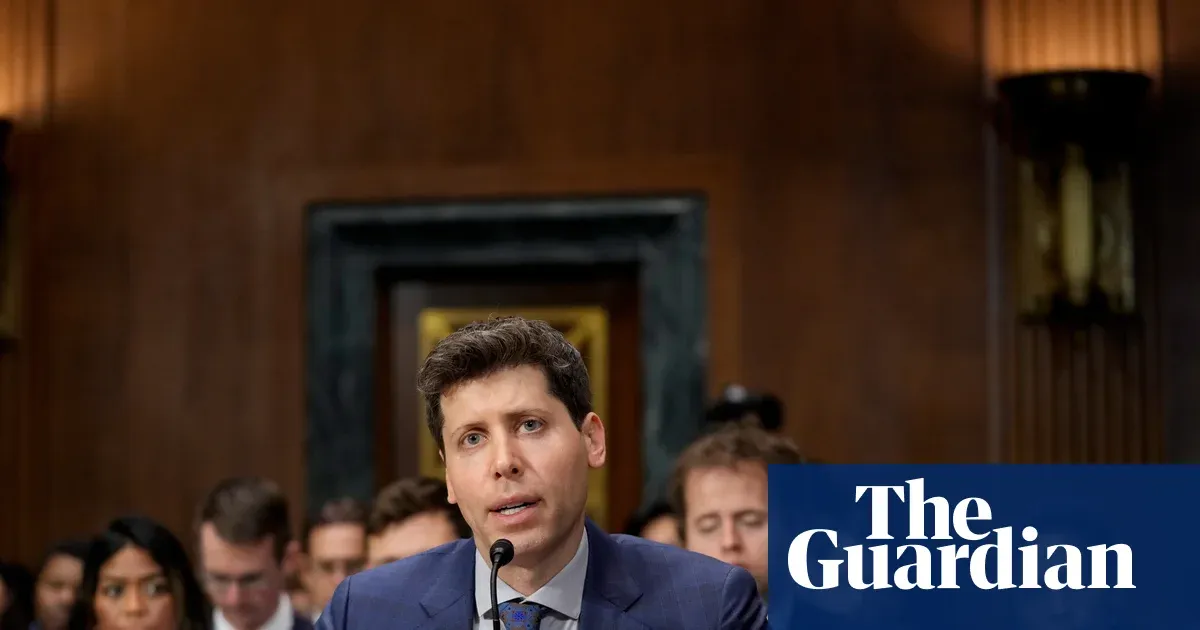
Sam Altman, CEO of OpenAI, said the world should accept AI-related hacks and scams in exchange for the technology's benefits, sparking immediate backlash. The comments, coming after a safety expert resigned citing a broken culture, force executives to weigh the risks of AI adoption against the promise of its upside.
Sam Altman, the chief executive of OpenAI, said the world should accept "bad things" happening with AI in exchange for the benefits of the technology. In an interview, Altman cited hacks, scams and "other bad things that will happen" as the price of progress. The comments immediately drew backlash from critics of big AI companies, who argue that the people building the technology should not be the ones deciding how much harm is acceptable.
The backlash was sharpened by timing. Altman's interview came just after one of OpenAI's safety experts resigned, saying over the weekend that the company's "culture is broken." That resignation puts a human face on the trade-off Altman is asking the world to accept, and it raises the stakes for every board and executive trying to decide how fast to deploy AI tools. When the CEO of the most prominent AI company tells you to expect hacks and scams, the risk conversation shifts from hypothetical to operational.
Altman's argument is essentially a plea for regulatory restraint. He wants a light touch because of the "good stuff" the technology can deliver. For decision-makers, this is the core tension: how much risk is acceptable when the upside is large and the downside is diffuse? The source does not detail which regulations Altman opposes, but the posture is clear: let innovation run, clean up the mess later. That is a coherent philosophy, but it is also a bet that the public will keep tolerating the mess.
The safety expert's resignation is not an isolated event. It fits a broader pattern of tension inside AI companies between speed and safety, a dynamic that has played out across the industry in recent years. As commercial pressure mounts, the people who built the safety guardrails are often the first to leave. For boards doing due diligence on AI vendors, that pattern is a red flag. A company that loses its safety talent while its CEO argues for accepting "bad things" is sending a clear signal about its priorities.
For executives, the practical question is not whether AI will be regulated, but how. Altman's comments suggest that leading AI companies will argue for self-regulation and post-hoc accountability rather than preemptive rules. That has direct implications for procurement, risk management, and vendor selection. If the people building the technology are telling you to expect hacks and scams, your own risk models should assume those events will happen. The question is not whether your company will be hit, but whether you have the response plan in place when it is.
The "bad things" Altman lists are not abstract. Hacks and scams are already a fact of life for every company; AI is likely to change their scale and speed. For a CFO, that means the threat model is changing. For a chief information security officer, it means the attack surface is expanding. And for a CEO, it means the reputational damage from an AI-related incident could be severe, especially if the vendor's own leadership publicly acknowledged the risk in advance. That is a liability exposure that cannot be hedged away.
The strategic takeaway is that Altman is making a calculated bet: that the benefits of AI will be so visible that the public and regulators will tolerate the harms. That bet may pay off, or it may backfire. If the "bad things" become too visible, the backlash could produce exactly the heavy-handed regulation Altman wants to avoid. For competitors and customers of OpenAI, the risk is that one company's philosophy shapes the entire industry's regulatory fate. Every executive adopting AI today is, in effect, signing up for that bet, whether they agree with it or not.
This story's Key Insights and Take-aways are locked.
Create a free account to unlock Executive Actions for one credit.
Register to UnlockAlways free for Executives Club members. Join the Club
More in Technology

A Chinese rocket deorbited over Minnesota and landed in a farmer's cornfield
Experts tied the fragment to LandSpace's Zhuque-2E, which launched on September 15 and shed debris over the American Midwest after deploying 10 satellites.

JPMorgan Chase deploys first $5B into defense tech and hypersonic missiles
The bank is moving off its balance sheet to back robot factories, hypersonic missiles, and supply chains, signaling a new era of bank-backed military innovation.

Cop fired after sharing Flock login with ICE husband: 983 searches
A Savannah officer's shared credential let an ICE agent run hundreds of plate searches on Hispanic drivers, exposing a surveillance backdoor.