
OpenAI files for an IPO one week after Anthropic, escalating the AI investment race
The ChatGPT maker and its main rival both move first. Here is what the timing signals for investors and boards.
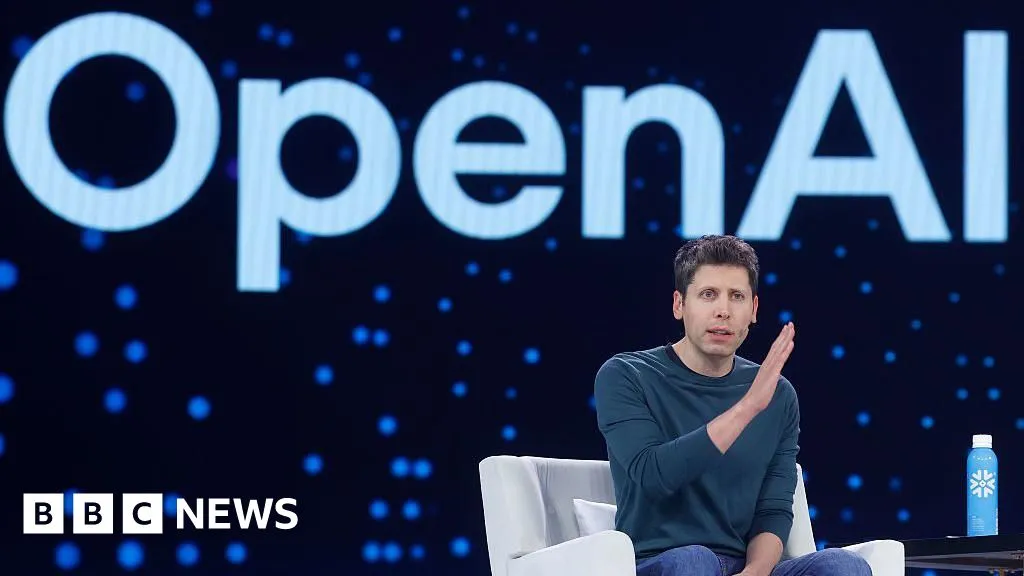
OpenAI, the company behind ChatGPT, filed plans to go public one week after Anthropic filed similar plans. For decision-makers, the back-to-back IPO filings intensify competition for capital, talent, and regulatory attention.
OpenAI, the company behind ChatGPT, filed plans to go public one week after Anthropic did the same. That timing matters because it is not a staggered, cautious approach. It is a sprint. When two of the biggest names in generative AI both move toward public markets within a week, it signals that the race for investor attention is already accelerating, not slowly unfolding.
The immediate takeaway for executives is simple: public-market access is becoming a strategic weapon. Filing one week after a direct peer turns an IPO from a calendar event into a competitive move. It affects how investors compare the two companies, how boards think about leverage, and how management teams plan their next steps. It also compresses timelines, because once the story becomes public, markets and analysts want answers, not just aspirations.
To understand why this IPO wave is such a big deal, you have to remember what these companies are selling. They are not just software products. They are bets on compute, data, model performance, and distribution. In private markets, that means funding rounds can drag on while investors negotiate valuation, governance, and future upside. Going public changes the math. It can broaden the shareholder base, increase transparency requirements, and shift how companies communicate progress. But it also invites a new kind of scrutiny, because public investors can demand near-term clarity even when the underlying technology needs time.
The regulatory backdrop is also part of the pressure. AI systems that generate text, images, and other content live in a regulatory gray zone that is actively being defined. Even before a company lists, regulators, lawmakers, and compliance teams are increasingly focused on how these systems behave, how risks are managed, and what safeguards exist. While the source here only states that OpenAI filed plans to go public, the broader context is that an IPO typically forces companies to formalize and expose more of their governance, risk factors, and operational detail. Back-to-back filings with Anthropic increase the sense that the market is preparing for a new wave of public AI champions, not just private fundraising.
Boards have another incentive to move quickly. When a rival approaches the public markets, it can change bargaining power in other areas too: hiring, partnerships, and even how competitors allocate capital. If markets start valuing generative AI leaders through public-company benchmarks, those benchmarks can influence how private investors price the rest of the sector. That can ripple outward, affecting funding availability for startups and the growth trajectories of suppliers in AI infrastructure.
Then there is the investor dynamic. IPOs are not just about raising money. They are about narrative. In the span of a week, two filings make it harder for the market to treat this as a one-off story. Investors get a clearer comparison set: both companies aim for public markets, both come with similar product categories, and both will face questions about differentiation. That tends to intensify due diligence. It also pushes management teams to prioritize what they can prove quickly, because markets do not reward vague optimism for long.
For decision-makers who are watching from the sidelines, the second-order implication is that this timing can shift expectations for the entire industry. If OpenAI and Anthropic both line up for public scrutiny, it raises the bar for disclosure, governance, and performance reporting across AI. It can also change how quickly capital chases the next wave of AI products, because liquidity and valuation signals from the public market can pull private money in both directions. In other words: this is not only an OpenAI story or an Anthropic story. It is an industry benchmark story.
The strategic stakes, then, land on three fronts. First, it accelerates the capital race, since both companies are angling for investor attention at the same time. Second, it intensifies competitive positioning, because public-market narratives can lock in perceptions of leadership. Third, it raises the governance and regulatory spotlight right as these companies are scaling their models and operations. In a market where attention moves as fast as compute, filing one week apart is a clear signal that the next chapter of AI competition is already public-market shaped.
This story's Key Insights and Take-aways are locked.
Create a free account to unlock Executive Actions for one credit.
Register to UnlockAlways free for Executives Club members. Join the Club
More in Business

Anthropic’s Levant Alpöge cracks the Jacobian conjecture after 87 years
A Harvard valedictorian used Claude to hit a 1939 breakthrough, but the missing “why” is the real problem.

Uber buys Delivery Hero for nearly $15B, vaulting to top food delivery outside China
The deal doubles Uber's dual-services footprint and pushes a ride-and-eats bundling play into 50 more markets.

Epic and Google drop settlement bid, forcing rival Android app stores by July 22
Google told the court it is ready to carry third-party app stores starting Wednesday, July 22.