

OpenAI quietly upgrades free GPT-5.5 in ChatGPT for better context understanding
The free model you use most gets smarter at tracking context, which reshapes product expectations across AI apps.
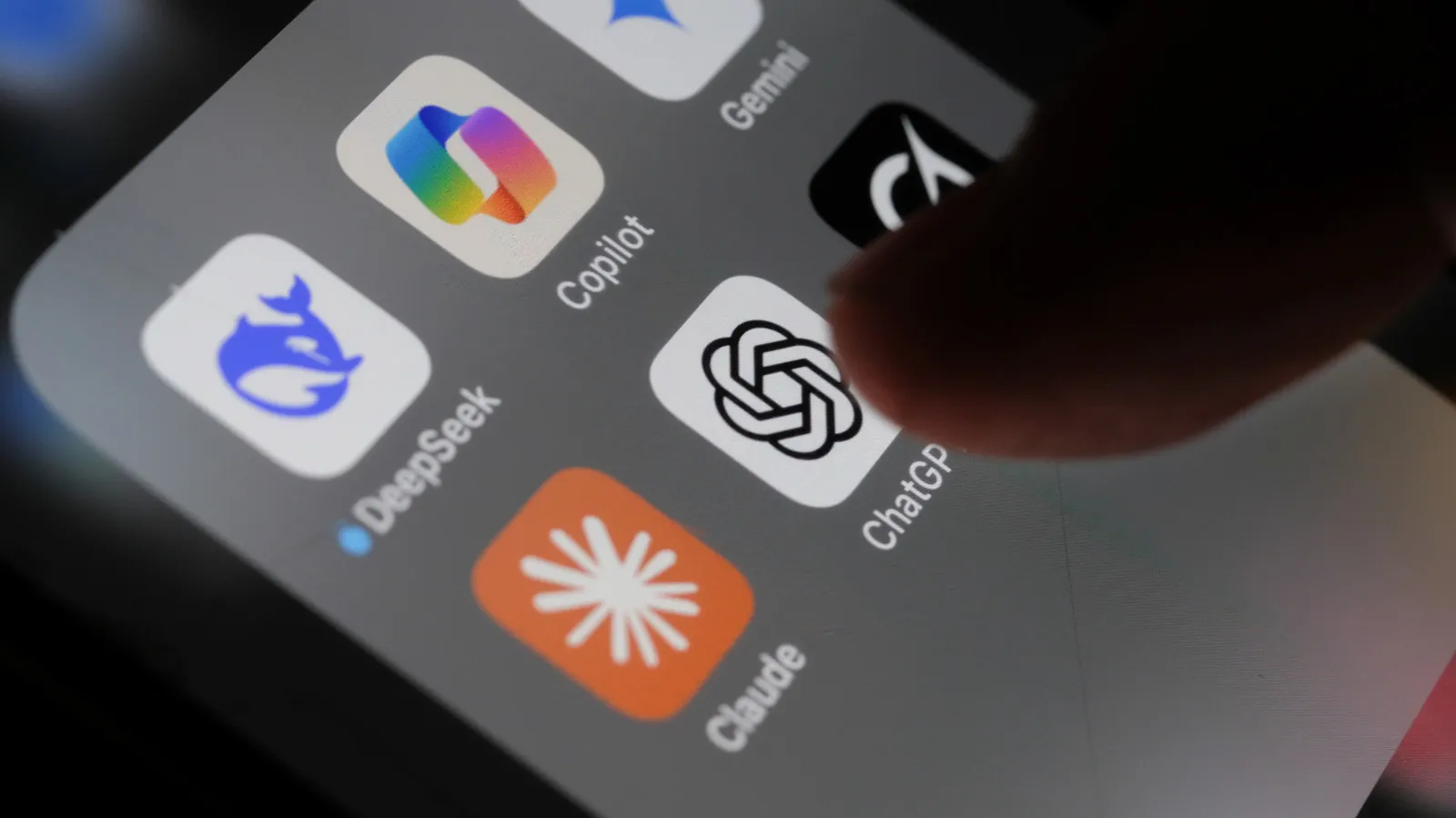
OpenAI rolled out an upgrade to GPT-5.5 for the free ChatGPT model. For decision-makers, this shifts what users will expect from “free” AI and increases competitive pressure to match baseline quality.
OpenAI has rolled out an upgrade for the free GPT-5.5 model you interact with most in ChatGPT, and it is aimed at one very specific weakness: understanding context. In plain English, the model should do a better job keeping track of what you are referring to across a conversation, rather than losing the thread when prompts get messy or multi-step.
That matters because “context understanding” is the difference between a chatbot that feels helpful and one that feels inconsistent. This rollout upgrades the free model, meaning the improvement is not gated behind a subscription paywall. If you have been relying on free ChatGPT for daily tasks, this is the baseline getting better, not just an experimental tier for power users.
Why would OpenAI push an upgrade to the free experience now? The incentives are obvious. The free tier is the front door. It is where users decide whether AI is useful enough to earn a place in their workflow. When the default model improves at context, more people stick around longer, return more often, and start using the product for harder problems. In a world where competitors are also racing to deploy new models, raising the quality of the free tier is a way to defend mindshare without waiting for every user to sign up for premium.
There is also a product and platform dynamic at play. ChatGPT is not just a model. It is a user interface, a set of interaction patterns, and an ecosystem of third-party expectations. When context handling improves, it changes how users phrase prompts. They may ask follow-ups differently, give less re-explaining, and expect the assistant to retain intent. That can lower the friction of using ChatGPT for everything from drafting and research to coding assistance, because the assistant spends less time “re-learning” what you meant.
Now zoom out to the competitive landscape. GPT-5.5 is not just competing with other model providers on raw intelligence. It is competing on conversation reliability, and context is a huge part of reliability. If free ChatGPT can track context more effectively, other AI apps have to either match that baseline or differentiate in a way that still feels better to end users. For executives, that is a real operational headache, because it affects product roadmaps, evaluation metrics, and even customer support loads. If user-facing behavior changes, teams typically need to revisit what “good” looks like, how they measure it, and how they communicate improvements.
Regulatory and compliance considerations also show up indirectly. Better context understanding can reduce user workarounds. For example, users who previously had to restate key details might now provide them once. That can change the amount and structure of data being fed into the system during normal use. Regulators are not focused on “better context” as a category, but oversight of AI systems increasingly touches on how systems behave, how reliably they follow instructions, and how they manage user inputs. When a model update affects conversation quality, it is part of the broader story regulators are trying to follow: what the system does when real people interact with it.
There is another second-order effect that boardrooms care about: cost and scaling. Model upgrades can imply different performance characteristics. Even if OpenAI does not change the price (because this is the free tier), improved capability can increase demand as users get more confident that the assistant will follow along. That is great for engagement, but it raises questions about capacity planning, inference costs, and how quickly improvements can be rolled out without degrading service. The decision to upgrade the free tier suggests OpenAI believes the deployment is stable enough to absorb that demand.
For peers across AI companies, the strategic stake is clear. If OpenAI is improving the free GPT-5.5 experience for context understanding, then “table stakes” are moving. Your product cannot just be impressive in demos. It has to feel dependable in everyday conversations. And if users get used to better context retention for free, the bar for your own assistant goes up, whether you sell subscriptions, usage-based pricing, or enterprise seats.
This story's Key Insights and Take-aways are locked.
Create a free account to unlock Executive Actions for one credit.
Register to UnlockAlways free for Executives Club members. Join the Club
More in Technology

Nvidia's $89B data center quarter: the 9 companies cashing in
The AI buildout is minting fortunes beyond GPUs, and memory, cloud, and cooling suppliers are riding the same wave.

Google quietly links your phone number to every Android account on your SIM
Adding a SIM now ties your phone number to all Google accounts - and future accounts inherit it. Here's the security and privacy stakes.

Hijacker AI 'Skynet mode' runs 100,000 attack steps against exposed models
Symantec caught a criminal AI agent that borrows other models, steals data, and mines crypto; the only relief is no confirmed victims yet.