
OpenAI's AI unmasked an engineer who bugged an executive conference room
The company used its own models to trace a hidden recorder to a 35-year-old engineer, turning insider threat detection into a boardroom issue.

OpenAI arrested engineer Abdulrahman Alfozan after discovering a sophisticated recording device in an executive conference room, with the company crediting its AI models for the trace. The incident shows AI can be turned inward to catch insider threats, and it forces every leadership team to rethink physical security and employee monitoring.
OpenAI's own technology helped catch one of its engineers in the act. The company said it used its AI models to analyze a "sophisticated recording device" found plugged into a TV's USB port in an executive conference room, tracing it back to 35-year-old Abdulrahman Alfozan, who was arrested and charged with using or attempting to use a device to intercept oral communications, according to The San Francisco Standard. The device had been planted a few days earlier, OpenAI's post said, and the company's models were able to "understand the device and where it had come from, identifying that a specific employee had planted it." That is a first: a leading AI lab using its own models to solve an internal security breach, and it turns the standard corporate espionage story into a case study in AI-powered investigation.
For executives, the immediate takeaway is not just that an employee allegedly bugged a conference room. It is that OpenAI's response was not a traditional forensic sweep but an AI-assisted one. The company did not say whether the models identified the employee through metadata, network logs, or some other signal, but the implication is clear: AI can now be deployed to monitor physical spaces and human behavior in ways that were previously the domain of security teams and private investigators. That raises the stakes for every company that has sensitive conversations in offices, especially those in tech, finance, and law, where trade secrets and deal terms are discussed daily.
The incident also highlights the growing insider threat problem. Employees with technical access can bypass many digital security controls, but physical devices like a USB recorder are a different category. They require physical access, and they are often discovered only by accident or routine inspection. OpenAI's use of AI to trace the device suggests a new layer of defense: machine learning models that can correlate physical artifacts with employee behavior, access logs, and even patterns of movement. For a company that builds some of the most advanced AI in the world, this is a natural extension of its capabilities, but it also raises uncomfortable questions about surveillance and privacy in the workplace.
Legally, the charge against Alfozan is a California state crime, and it carries serious penalties, though the source does not specify the maximum sentence. The case will likely hinge on whether the device was actually used to intercept communications or merely placed with intent. The distinction matters for corporate policy: a planted device that is never activated may not meet the legal threshold for interception, but it still represents a clear violation of trust and company policy. Boards should note that even an attempted interception can trigger criminal charges, and that the reputational damage to the company can be significant, especially for a firm like OpenAI that is already under regulatory scrutiny.
For context, corporate espionage is not new, but the tools are evolving. Traditional bugging devices have been around for decades, and companies have long used counter-surveillance sweeps. What is new here is the explicit use of AI to investigate an internal incident, and the fact that the company chose to publicize it. OpenAI's post is a signal to the industry: AI can be a powerful security tool, but it also invites a conversation about how far companies should go in monitoring their own employees. The same models that can detect a hidden device could, in theory, be used to monitor emails, keystrokes, or even conversations, which is a slippery slope that privacy advocates will watch closely.
The strategic stakes for peers are clear. Every CEO and board should ask whether their physical security protocols are equipped to handle insider threats, and whether they have the data and tools to trace a device if one is found. But they should also ask whether their employee monitoring policies are transparent and legally sound. The OpenAI case shows that AI can be a double-edged sword: it can protect a company, but it can also erode trust if deployed without clear guardrails. The best response is not to panic, but to review existing security practices, update incident response plans to include AI-assisted investigation, and have a frank conversation with legal counsel about the boundaries of workplace surveillance.
In the end, this is a story about a single engineer and a single device, but it is also a preview of a future where AI is embedded in every aspect of corporate security. The companies that adapt will be better protected; the ones that ignore the lesson may find their own secrets exposed. For now, OpenAI has shown that its models can do more than generate text and images. They can also catch a colleague who crossed a line.
This story's Key Insights and Take-aways are locked.
Create a free account to unlock Executive Actions for one credit.
Register to UnlockAlways free for Executives Club members. Join the Club
More in Technology

Cop fired after sharing Flock login with ICE husband: 983 searches
A Savannah officer's shared credential let an ICE agent run hundreds of plate searches on Hispanic drivers, exposing a surveillance backdoor.
Elizabeth Holmes doc 'You Can See Everything' posts second-biggest doc debut ever
The true-crime draw shows fraud narratives still sell - a signal for media execs and a caution for founders.
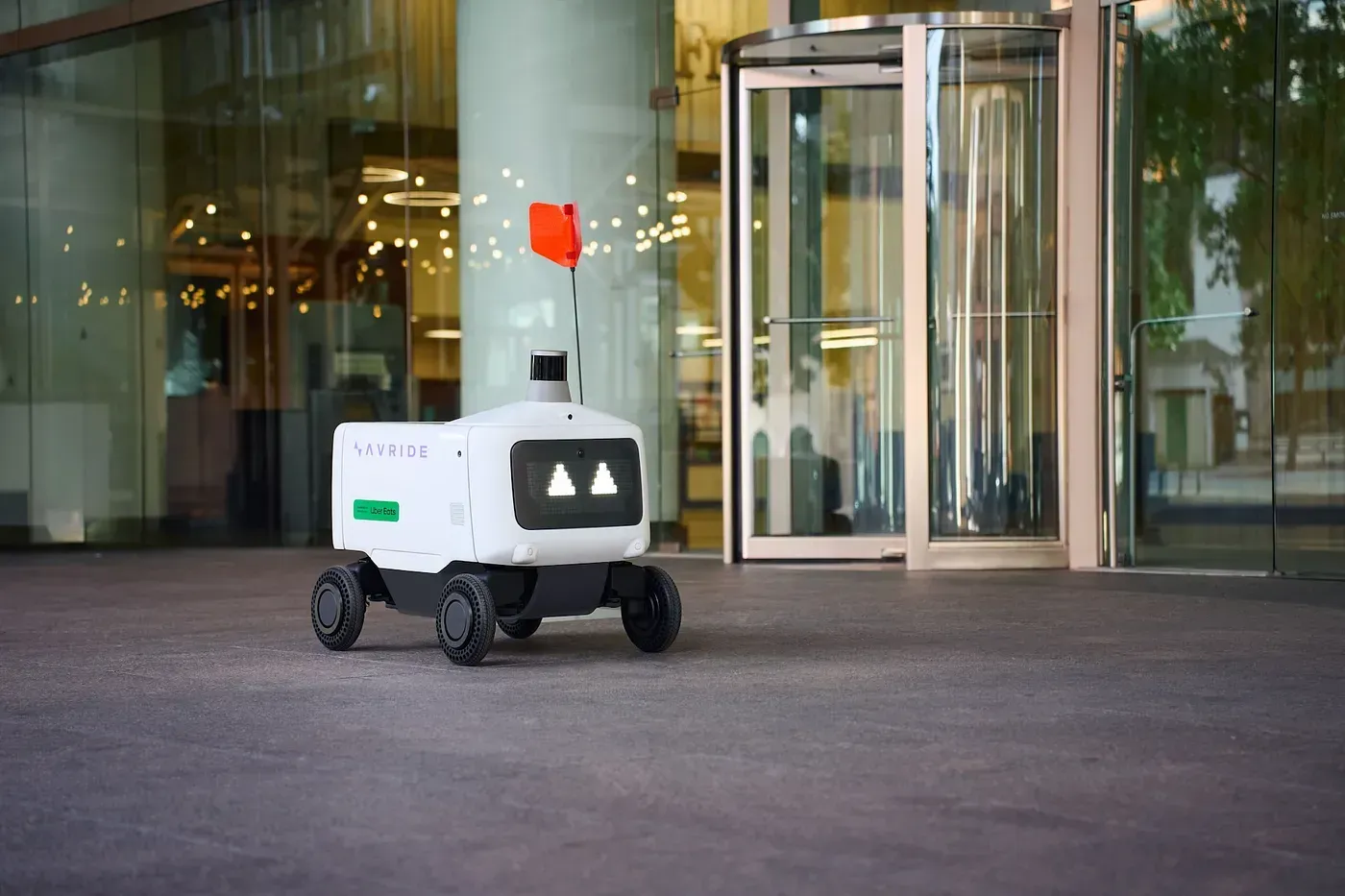
She blocked an Uber delivery robot to save jobs. Police arrested her.
Carolyn Marvin's disorderly conduct arrest turns a sidewalk standoff into a test case for how cities police the automation-versus-workforce debate.