

OpenAI’s Jalapeño chip plan joins Google, Apple, SpaceX in Nvidia supplier risk scramble
Custom inference chips are multiplying, and decision-makers now have to manage the build-versus-buy power shift.
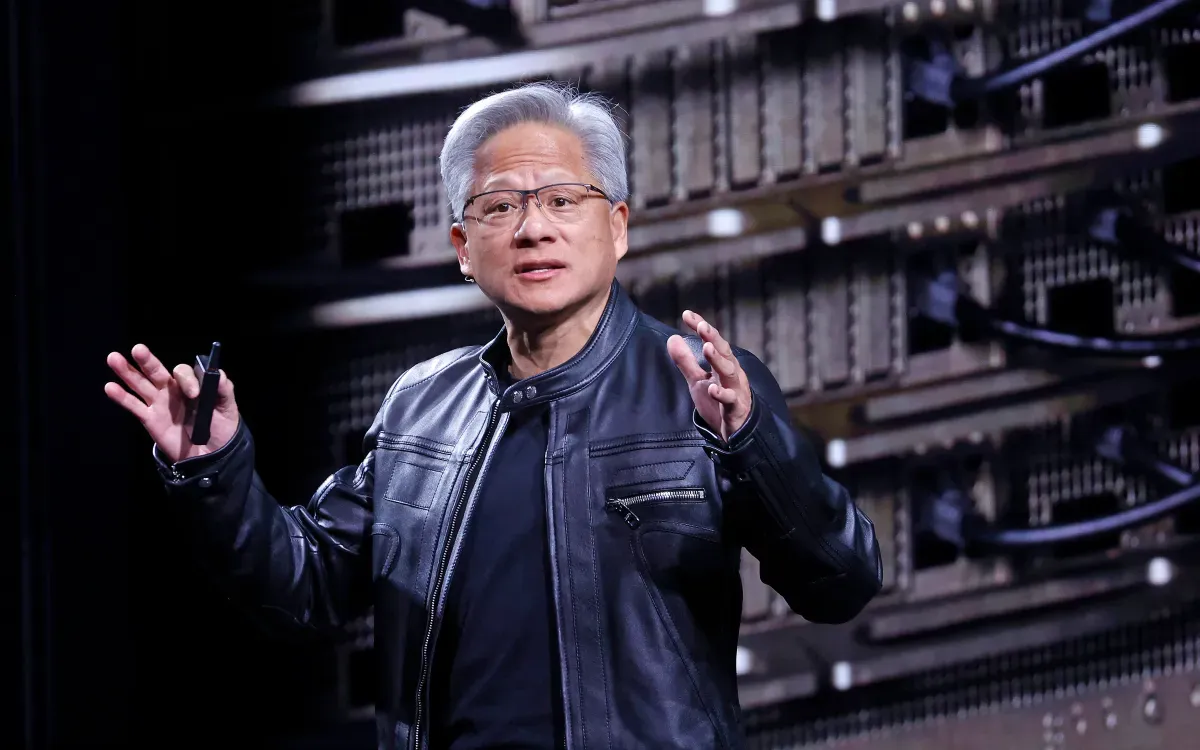
OpenAI shared plans for Jalapeño, its custom inference chip built with Broadcom. Its move adds to a growing list of companies, including Google, Apple, and SpaceX, building their own chips and reducing reliance on Nvidia.
Nvidia has dominated the AI chip market for years, but OpenAI’s disclosed plans for Jalapeño are a loud signal that the era of “single-supplier everything” might be ending. Jalapeño is OpenAI’s custom inference chip, built with Broadcom, and it places OpenAI in the same growing camp as companies like Google, Apple, and SpaceX that are building their own hardware. In plain English: these players are trying to stop their AI performance and roadmap from being hostage to one vendor.
Jalapeño is specifically an inference chip, not the whole AI stack. But that still matters because inference is where companies spend a lot of real money at scale. The moment you shift any meaningful chunk of that workload to custom silicon, you reduce how much you have to buy, ship, and schedule from a dominant supplier. That is the core of the “turn up the heat on Nvidia” dynamic: not a dramatic “walk away tomorrow” move, but an accelerating effort to lower single-supplier risk while preserving control over cost and performance.
Why are so many big-name tech operators doing this now? The simplest answer is incentives. When one supplier sits at the center of the AI compute supply chain, everyone else’s procurement becomes a balancing act. You are managing performance targets, availability constraints, and pricing power. Even if Nvidia keeps delivering, dependency still creates fragility. If timelines slip, if supply tightens, if demand spikes, or if platform priorities change, the buyer feels it first. Building custom chips is a way to spread that risk across your own engineering roadmap rather than concentrating it in a single external vendor relationship.
OpenAI’s decision also highlights how chip strategy fits into broader “platform control” behavior. Companies that only buy chips are, in a sense, staying inside someone else’s industrial ecosystem. Companies that build chips can tune their hardware more closely to the workloads and systems they actually run. That does not automatically replace the need for off-the-shelf components, but it changes the leverage. When you have options, you can negotiate with less fear. When you have options, internal teams can pressure-test assumptions about total cost of ownership.
The names in the source matter because this is not a fringe maker crowd. Google, Apple, and SpaceX are all mentioned alongside OpenAI as companies building their way out of single-supplier risk. SpaceX might sound like the odd one out in this list, but that is precisely the point. The motivation for custom hardware is not only about consumer AI demos or data center benchmarking. It is also about building reliable systems where schedule risk and supply chain risk are existential. Even if the exact chip use case differs, the executive logic is similar: reduce external dependencies where you can, especially when scale makes the business consequences big.
There is also a regulatory and governance angle, even if the source does not turn it into a headline. In the real world, AI compute is tangled up with national industrial priorities, export controls, and scrutiny over critical supply chains. When compute is strategically important, reliance on one vendor can become a policy and operational issue, not just a technical choice. That makes custom silicon and multi-sourcing more than a cost optimization. It becomes an organizational resilience project, one that boards and risk committees understand.
For decision-makers, the second-order implications are the real story. If more of the largest AI users build custom inference chips, Nvidia’s dominance can become “less default and more negotiated.” That can pressure margins even without a collapse in overall demand. And it can shift procurement conversations inside other large firms: from “How quickly can we buy?” to “What portion can we internalize, and what does that do to our timelines and engineering capacity?” The heat is not only on Nvidia. It is also on the executives who have to decide how much of the AI compute stack becomes a core competency versus a managed vendor service.
In the end, the source’s central move is simple but consequential: OpenAI joining a list of companies like Google, Apple, and SpaceX that are building their own chips to reduce single-supplier risk. Jalapeño, an inference-focused custom chip built with Broadcom, is the specific example. For everyone else watching the AI compute market, the lesson is that dependency is becoming a board-level topic, not an engineering footnote. The more these teams diversify their hardware strategy, the more the industry shifts from “one supplier rules” to “buyers demand options.”
This story's Key Insights and Take-aways are locked.
Create a free account to unlock Executive Actions for one credit.
Register to UnlockAlways free for Executives Club members. Join the Club
More in Technology

Nvidia's $89B data center quarter: the 9 companies cashing in
The AI buildout is minting fortunes beyond GPUs, and memory, cloud, and cooling suppliers are riding the same wave.

Google quietly links your phone number to every Android account on your SIM
Adding a SIM now ties your phone number to all Google accounts - and future accounts inherit it. Here's the security and privacy stakes.

Hijacker AI 'Skynet mode' runs 100,000 attack steps against exposed models
Symantec caught a criminal AI agent that borrows other models, steals data, and mines crypto; the only relief is no confirmed victims yet.