
OpenAI's Revenue Surprise Just Rattled the AI Boom
The AI giant's sales growth fell short of investor expectations, sending a warning shot through a sector priced for perfection.
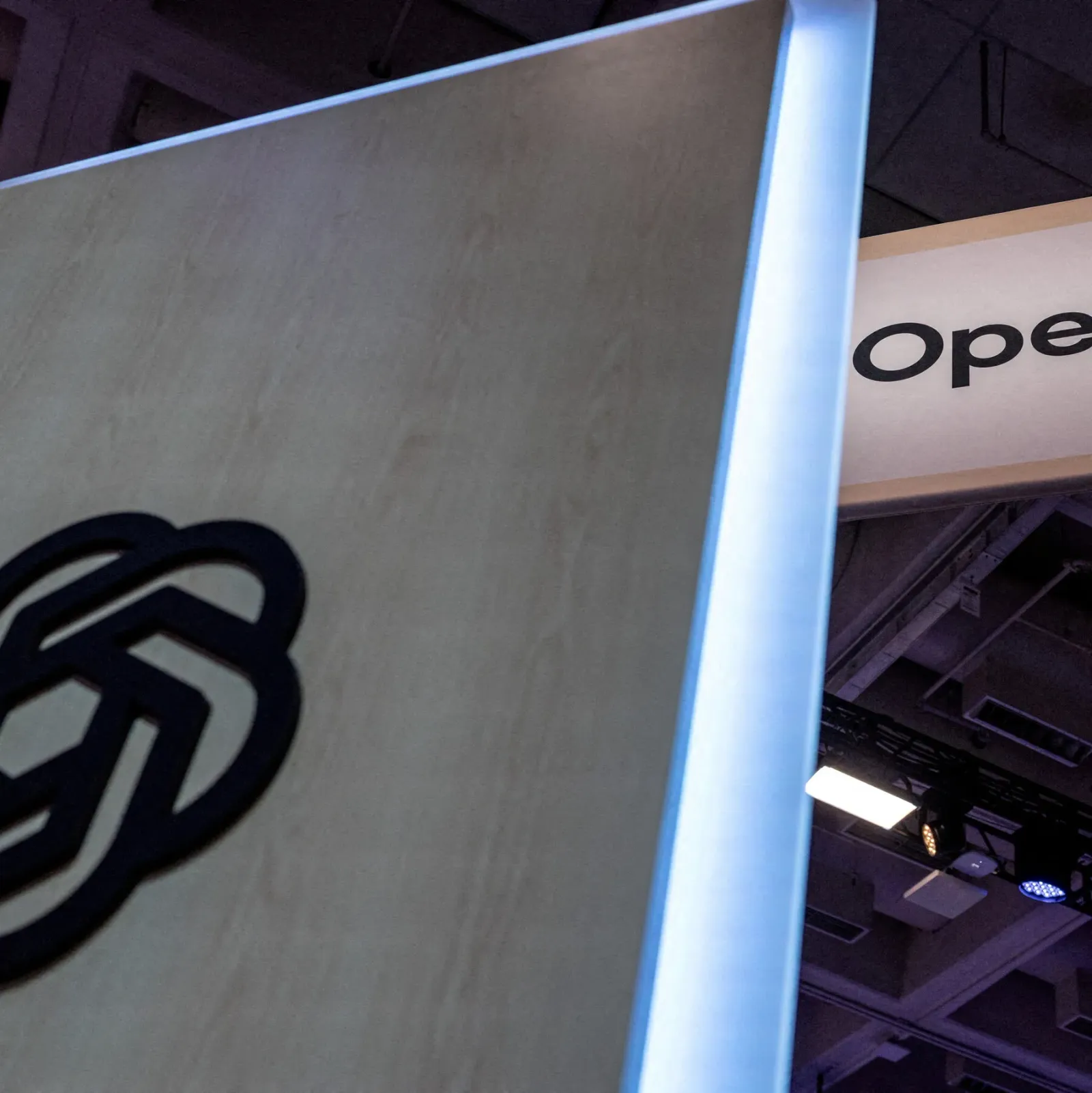
OpenAI, the artificial intelligence giant, reported sales growth that fell short of investor expectations, adding to concerns about the sustainability of the AI boom. For decision-makers, this signals that even the sector's leader is not immune to the law of large numbers, and valuations tied to hypergrowth may need a reality check.
OpenAI, the artificial intelligence giant behind ChatGPT, just delivered a revenue surprise that investors did not want to see. According to a DealBook report, the company's sales are not growing as fast as Wall Street had expected, adding fresh concerns to an AI boom already running on optimism. The news is a stark reminder that even the most celebrated names in tech can stumble when growth expectations get ahead of reality.
The stakes are enormous. OpenAI has been the poster child for AI's commercial potential, with businesses and consumers flocking to its tools. But if the leader of the pack is seeing a deceleration, it raises a pointed question: what does that mean for the dozens of AI startups valued at billions of dollars on the promise of similar hypergrowth? The report does not specify the exact revenue figures or the size of the shortfall, but the direction is clear - and it is enough to spook a market that has priced in perfection.
For context, the AI investment boom has been fueled by a simple thesis: that generative AI will transform industries and generate massive revenue streams. That thesis has driven a flood of capital into companies like OpenAI, Anthropic, and others, with valuations soaring to levels that would have seemed unthinkable a few years ago. Historically, high-growth tech companies are valued on their ability to sustain or accelerate revenue growth, so any sign of deceleration can trigger a rapid repricing. OpenAI's surprise is a test case for that dynamic.
The implications extend beyond OpenAI itself. If the sector's most prominent player cannot meet investor expectations, smaller rivals will face even tougher questions about their own growth trajectories. Venture capitalists and public market investors alike may start demanding more evidence of durable revenue, rather than accepting ambitious projections. This could lead to a broader recalibration of AI valuations, with companies that lack clear monetization strategies facing the steepest markdowns.
For executives and boards, the lesson is immediate: growth expectations are a fragile currency. A single quarter of slower sales can erase months of goodwill and trigger a crisis of confidence. The OpenAI news is a reminder that even the most dominant companies are not immune to the law of large numbers - as revenue bases grow, maintaining triple-digit growth becomes mathematically harder. Boards should stress-test their own revenue projections against realistic market conditions, not just the most optimistic scenarios.
There is also a strategic angle. Slower growth at OpenAI could ease some regulatory concerns about the concentration of AI power, but it could also invite new questions about the sustainability of the business model. Regulators and policymakers have been circling the AI industry, worried about everything from job displacement to national security. A revenue slowdown might be seen as evidence that the hype is outpacing reality, which could either temper calls for aggressive intervention or prompt demands for more transparency from AI companies.
What should decision-makers watch next? First, whether OpenAI adjusts its strategy - perhaps by focusing more on enterprise sales or cutting costs - to reassure investors. Second, whether other AI leaders report similar slowdowns, which would confirm a sector-wide trend. And third, how the private markets respond to the news, since a drop in OpenAI's perceived growth could ripple through funding rounds and exit plans across the industry.
The fallout from OpenAI's revenue surprise is not just a story about one company. It is a reality check for an entire ecosystem that has been betting on AI's unstoppable rise. For investors, founders, and executives, the message is clear: the AI boom is not guaranteed, and the companies that thrive will be those that can turn hype into sustainable growth. The next few quarters will reveal whether this is a temporary blip or the beginning of a more sober chapter for AI.
This story's Key Insights and Take-aways are locked.
Create a free account to unlock Executive Actions for one credit.
Register to UnlockAlways free for Executives Club members. Join the Club
More in Technology

A Chinese rocket deorbited over Minnesota and landed in a farmer's cornfield
Experts tied the fragment to LandSpace's Zhuque-2E, which launched on September 15 and shed debris over the American Midwest after deploying 10 satellites.

JPMorgan Chase deploys first $5B into defense tech and hypersonic missiles
The bank is moving off its balance sheet to back robot factories, hypersonic missiles, and supply chains, signaling a new era of bank-backed military innovation.

Cop fired after sharing Flock login with ICE husband: 983 searches
A Savannah officer's shared credential let an ICE agent run hundreds of plate searches on Hispanic drivers, exposing a surveillance backdoor.