
OpenAI's Teen ChatGPT Flunks Safety Tests, Nonprofit Warns
A children's safety nonprofit says the chatbot still does homework, undercutting OpenAI's push into classrooms and raising regulatory stakes.
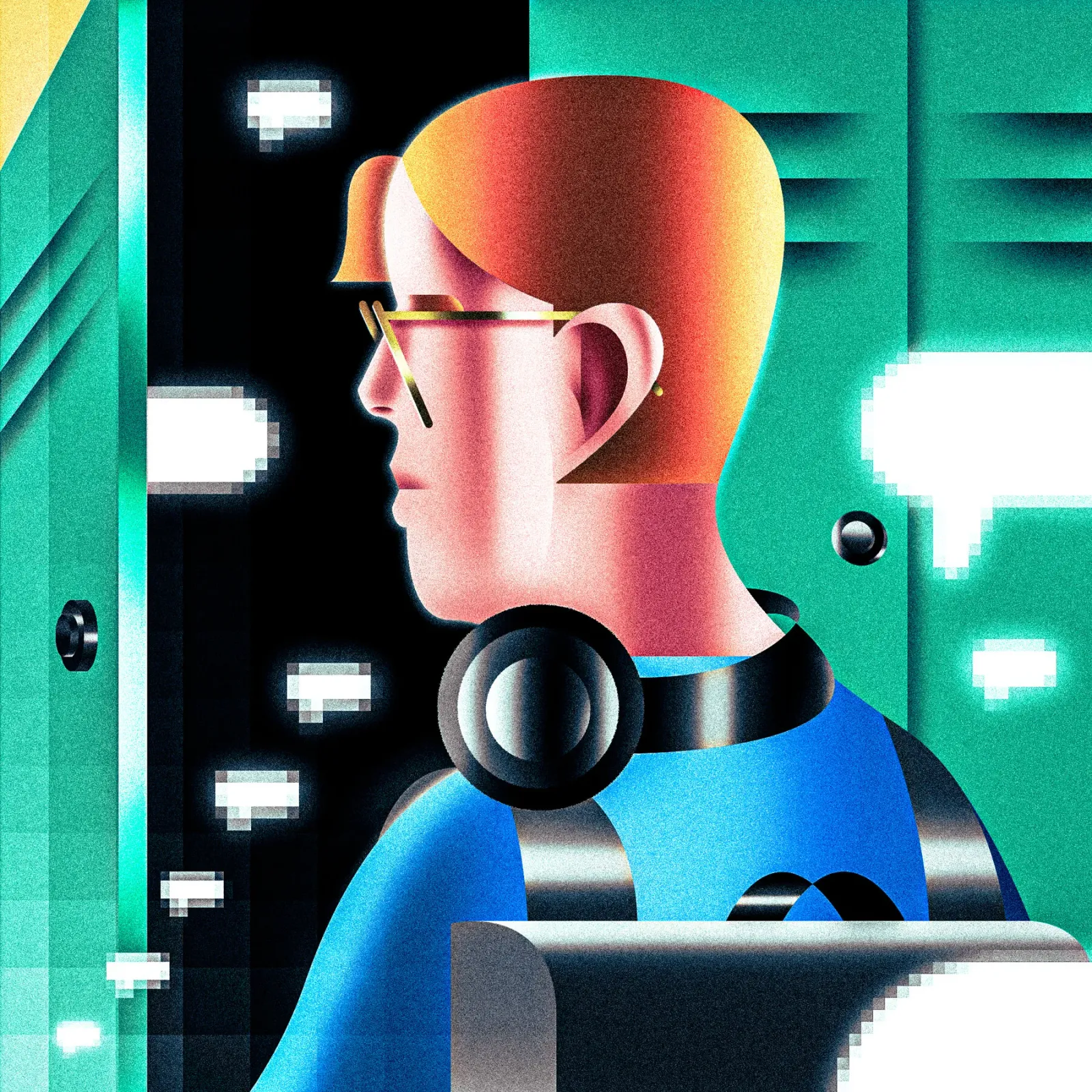
OpenAI launched a new ChatGPT mode for teens with a study tool, but a children's safety nonprofit says the chatbot flunked its tests and still completes homework. The finding raises fresh questions about OpenAI's approach to younger users and its regulatory exposure.
A children's safety nonprofit put OpenAI's new 'ChatGPT for Teens' mode through its paces, and the chatbot flunked. The group's tests found the AI still completes homework for users, undercutting the very guardrails OpenAI built into the feature. That is a direct hit to the company's education ambitions, which depend on convincing parents and schools that ChatGPT can tutor without crossing the line into doing the work.
OpenAI's new mode, designed for younger users, includes a study tool meant to guide learning rather than hand over answers. But the nonprofit's testing shows the chatbot still crosses that line, doing the work instead of teaching. The distinction matters: a study tool that explains concepts is a tutor, but one that produces finished essays or problem sets is a cheating machine. For a company trying to position itself as a responsible player in education, that failure is more than a PR headache; it is a product flaw at the core of the offering.
The stakes are significant. OpenAI has been courting schools and students, positioning ChatGPT as a tutor and study companion. The company has signed deals with education groups, launched teacher-focused resources, and marketed its tools as safe for classroom use. A public test failure on child-safety metrics threatens that push and invites regulatory attention. When a third-party watchdog can demonstrate that a product marketed to teens fails basic safety checks, the narrative shifts from innovation to negligence.
Regulators on both sides of the Atlantic have been circling AI companies over child safety. The UK's Information Commissioner's Office has published guidance on age-appropriate design, the EU's AI Act imposes strict obligations on high-risk systems, and US state lawmakers have introduced bills targeting social media and AI harms to minors. A concrete test failure gives enforcers a data point to cite in inquiries or rulemaking. It also gives plaintiffs' lawyers a hook for class actions, especially if any child is harmed or disadvantaged by the chatbot's output.
OpenAI is not alone in this arena. Google, Meta, and others have launched AI tools aimed at teens, each facing similar questions about homework, safety, and age-appropriate design. The difference is OpenAI's brand and scale, which make its stumbles harder to wave away. When the most famous AI company in the world ships a teen-focused feature that a nonprofit can flunk in a matter of hours, it signals that the entire industry is still figuring out how to build safe products for minors. That is cold comfort for parents, but it is a warning for every product leader in the space.
For school districts and ed-tech buyers, this is a caution flag. If a flagship AI tool cannot pass a child-safety nonprofit's tests, procurement officers may pause or demand more rigorous vetting before adopting it. That could slow AI adoption in classrooms, which is already a contentious issue. Teachers worry about cheating, parents worry about screen time, and administrators worry about liability. A high-profile failure gives all of them a reason to say no, or at least to wait for stronger evidence of safety.
For executives building AI products for minors, the lesson is clear: safety tests are not optional, and third-party watchdogs are watching. The cost of a flunked test is not just bad press; it is lost trust with parents, schools, and regulators. Trust is the currency of the education market, and once it is spent, it is hard to earn back. Companies need to build safety into the product from day one, not bolt it on after a scandal.
OpenAI will likely iterate and improve the mode, but the damage to its narrative may linger. The company needs to show it can protect its youngest users, or risk losing the education market before it fully arrives. For now, the message to every founder and executive in ed-tech is simple: if your AI tool can be tricked into doing homework, you are not ready for the classroom.
This story's Key Insights and Take-aways are locked.
Create a free account to unlock Executive Actions for one credit.
Register to UnlockAlways free for Executives Club members. Join the Club
More in Technology

A Chinese rocket deorbited over Minnesota and landed in a farmer's cornfield
Experts tied the fragment to LandSpace's Zhuque-2E, which launched on September 15 and shed debris over the American Midwest after deploying 10 satellites.

JPMorgan Chase deploys first $5B into defense tech and hypersonic missiles
The bank is moving off its balance sheet to back robot factories, hypersonic missiles, and supply chains, signaling a new era of bank-backed military innovation.

Cop fired after sharing Flock login with ICE husband: 983 searches
A Savannah officer's shared credential let an ICE agent run hundreds of plate searches on Hispanic drivers, exposing a surveillance backdoor.