

OpenAI's top researchers burn $7,000 a day on AI tokens
The median researcher now spends $600 a day on AI coding agents, up from $162 in July, and the company says it's paying off.
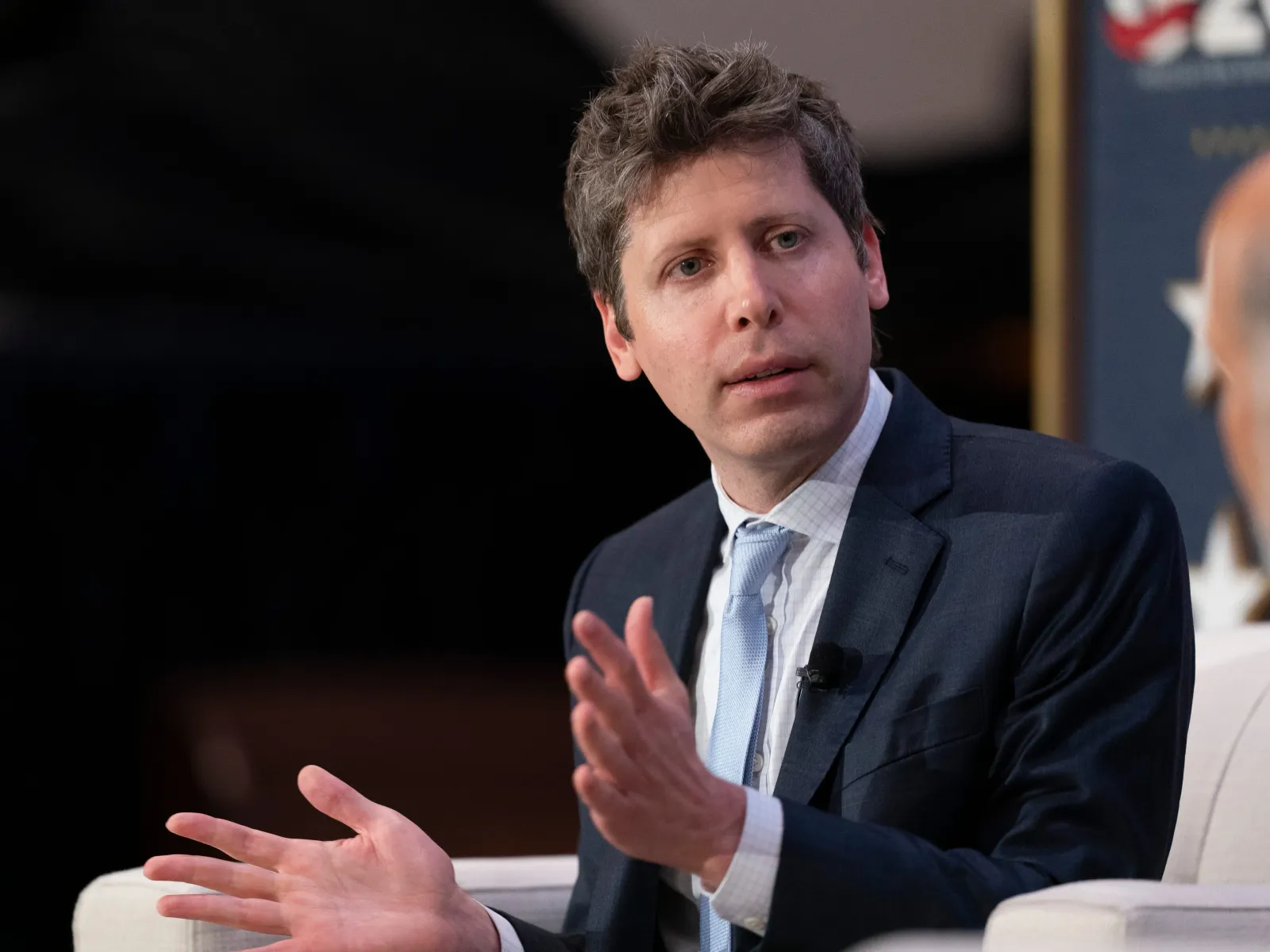
OpenAI revealed that its researchers now spend a median of $600 a day on AI coding tokens, with top users exceeding $7,000, up from $162 in July. The data signals that aggressive AI adoption is paying off in productivity, even as rivals like Meta and Amazon clamp down on tokenmaxxing.
OpenAI's most prolific researchers are now burning through more than $7,000 a day in AI coding tokens, according to a blog post the company published Sunday. The median researcher at its research organization is spending over $600 a day, up from $162 in July - a nearly fourfold jump in just six weeks. Tokens are the small chunks of text an AI model reads and produces, and the figures are based on inference at API prices, meaning they estimate what the usage would cost rather than what OpenAI actually pays. The spending surge reflects a deliberate bet: OpenAI says coding agents have "substantially changed" how its researchers work, shipping code faster, running more experiments, and delegating higher-level tasks to the agents.
The disclosure lands amid a broader Silicon Valley reckoning over "tokenmaxxing" - the practice of using AI as much as possible regardless of output. Earlier this year, companies encouraged employees to experiment with AI, even building leaderboards to track power users. But by summer, the soaring cost of top models fueled concerns that the spending wasn't translating into productivity. Meta and Amazon both shut down internal token leaderboards, with Amazon senior vice president Dave Treadwell warning staff not to "use AI just for the sake of using AI." OpenAI is pushing back on that skepticism with its own data, showing that AI coding agent usage among its researchers has "skyrocketed" over the past three months and is outpacing growth in other teams.
The company also says agents are increasingly troubleshooting technical issues - so much so that daily posts in a human-staffed internal support channel have dropped by more than half since January. That's a concrete sign the tools are offloading real work, not just generating noise. OpenAI has long embraced high token usage. CEO Sam Altman said in June that the company's single highest token user burns through 100 billion tokens a month. Peter Steinberger, the creator of OpenClaw who was hired by OpenAI in February, posted a screenshot of a $1.3 million monthly token bill in May - though like other employees, he doesn't have to foot the bill. The company says it has reached Altman's goal of building an "automated research intern" that can carry out tasks with human direction, and it's on track to create a fully automated AI researcher by March 2028.
The broader shift in software engineering has been radical. Many developers now delegate coding tasks to AI agents and review their outputs, with some reporting higher productivity while others remain skeptical. The cost side has become a flashpoint: companies that once encouraged unfettered experimentation are now tightening budgets, and the tension between speed and spend is reshaping how engineering organizations allocate resources. OpenAI's internal numbers offer a rare window into what aggressive, outcome-focused AI adoption actually costs - and what it can deliver.
For executives watching from outside, the numbers are a double-edged sword. On one hand, OpenAI's data suggests that aggressive AI adoption can yield measurable productivity gains - the kind of evidence that justifies continued investment. On the other, the sheer scale of spending - $7,000 a day for top users - underscores how quickly AI costs can spiral if left unchecked. The key differentiator appears to be whether the usage is targeted at high-value tasks or simply maximizing token consumption. OpenAI's researchers are spending heavily because the agents are producing results: faster code, more experiments, fewer support tickets.
The lesson for boards and C-suites is not to abandon AI experimentation, but to measure it against outcomes. Companies that treat AI as a cost center to be minimized may miss the upside, while those that let tokenmaxxing run wild risk burning cash without returns. The winning play is to tie token spend to specific productivity metrics, as OpenAI appears to be doing, and to revisit those metrics as the technology evolves. With fully automated AI researchers potentially just a few years away, the companies that learn to manage this balance now will be best positioned to capture the next wave of efficiency - without getting burned by the bill.
This story's Key Insights and Take-aways are locked.
Create a free account to unlock Executive Actions for one credit.
Register to UnlockAlways free for Executives Club members. Join the Club
More in Technology

AI researcher's 26,000-word claim: Neural nets aren't tangled after all
Nick Cammarata's Goodfire post has the AI world split - if he's right, monitoring frontier models just got a lot easier.

A Chinese rocket deorbited over Minnesota and landed in a farmer's cornfield
Experts tied the fragment to LandSpace's Zhuque-2E, which launched on September 15 and shed debris over the American Midwest after deploying 10 satellites.

JPMorgan Chase deploys first $5B into defense tech and hypersonic missiles
The bank is moving off its balance sheet to back robot factories, hypersonic missiles, and supply chains, signaling a new era of bank-backed military innovation.