

OpenAI severs Cursor deal, blames Elon Musk companies for contract breaches
Starting November 12, the $60 billion SpaceX-owned coding startup loses access to OpenAI models, including Astra, over Musk's compliance record.
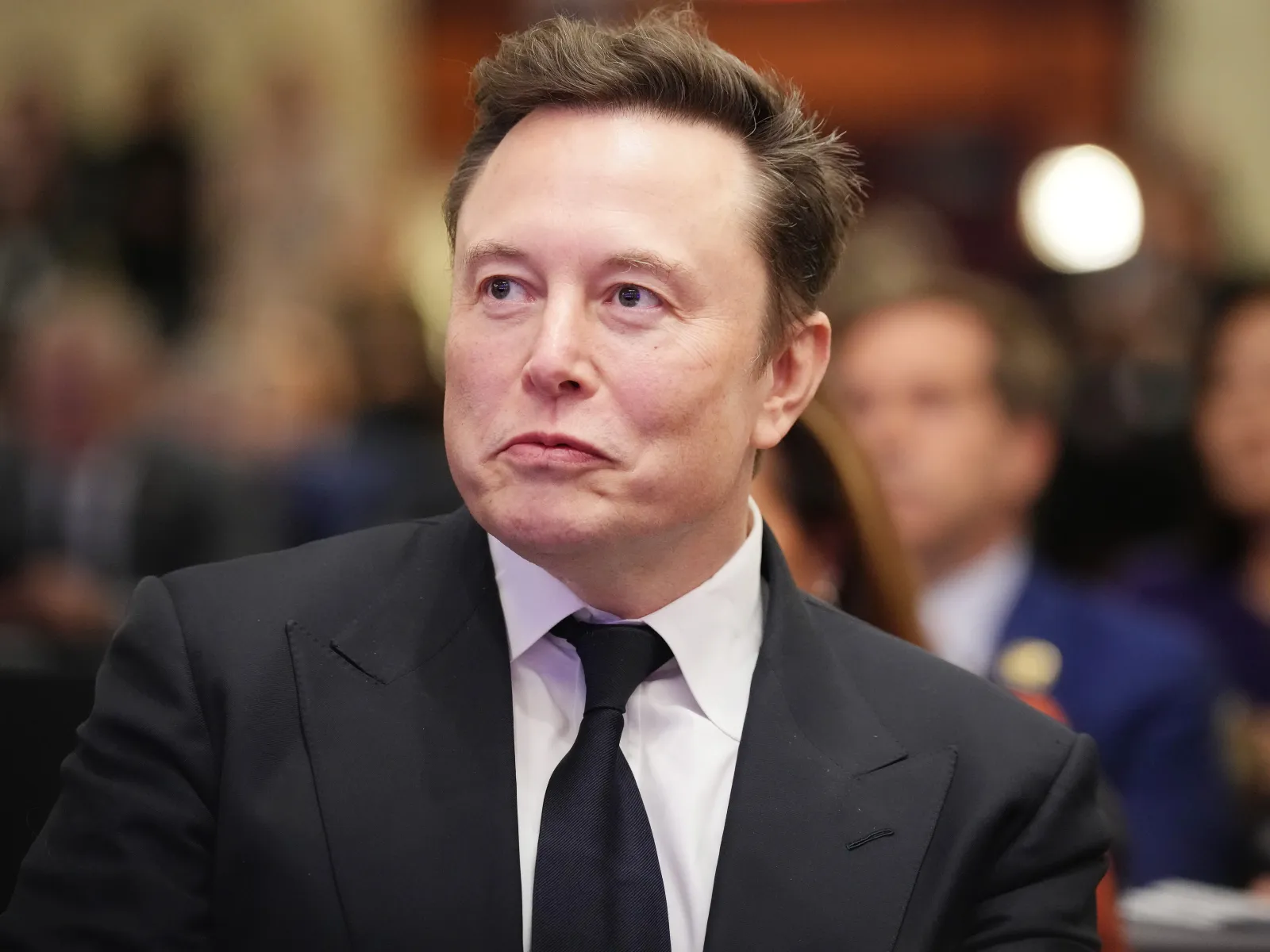
OpenAI is ending its contract with Cursor, the AI coding startup SpaceX acquired this month for $60 billion, citing an inability to trust Elon Musk-owned companies to honor terms of service. The move cuts Cursor off from OpenAI models by November 12 and blocks future models including Astra, escalating the long-running Musk-OpenAI feud.
OpenAI is severing its contract with Cursor, the AI coding startup SpaceX just acquired for $60 billion, and it is pointing a finger squarely at Elon Musk. In a Friday night statement, OpenAI said it will cut off Cursor's access to its models on November 12 and will not provide future models, including the upcoming Astra, because it cannot be confident that a Musk-owned company will use its technology within OpenAI's terms of service. The decision is not about Cursor's own conduct, OpenAI said: it is about Musk's companies' history of violating contracts. "This decision was incredibly tough, as we care deeply about our models being broadly available for developers," OpenAI said. "We are making this choice because we cannot be confident that SpaceX will use our technology within our terms of service, based on our experience with Elon Musk's companies violating contracts."
The company's stated rationale leans on prior behavior by another Musk-owned company: Twitter. Musk bought Twitter in 2022 and merged it with SpaceX earlier this February. OpenAI said Twitter had previously violated the terms of its contract, citing a New York Times story reporting that Musk cut off OpenAI's access to Twitter's data. OpenAI also pointed to Musk's own testimony under oath earlier this year, when he said that xAI had violated OpenAI's terms by training its Grok model on OpenAI's output. The Verge reported in April that Musk said at the time it was "partly" true that xAI had distilled OpenAI's models. OpenAI said it relies on "custom contracts" with large partners like SpaceX to ensure compliance, and that its partnership with Cursor included a "limited time window" to cancel the agreement after the acquisition. The shutdown date is set for November 12, giving developers little runway to adjust their tooling.
The business stakes are substantial. SpaceX officially acquired Cursor this month for $60 billion, a deal that gives the coding startup access to SpaceX's computing power. Cursor is an AI coding editor that offers models from several companies inside its software, including OpenAI, Anthropic, Google, and SpaceXAI. Its website lists OpenAI's GPT-5.6 Luna, Sol, and Terra models that paid users can access through its software, but OpenAI's announcement leaves it unclear which Cursor users or which specific models will be affected by the November 12 shutdown. For the developers and startups who have built Cursor into their daily workflow, the abrupt cutoff creates immediate switching risk, procurement uncertainty, and a reminder that access to frontier models can be revoked when ownership changes hands. For Cursor, losing OpenAI models is a strategic blow even though alternate models remain available; OpenAI's models are a major draw for paid coding users.
OpenAI described the decision as difficult and stressed that it wants its models broadly available, but the move is also the latest escalation in a feud that has simmered for years. Musk, an OpenAI cofounder and early backer, sued the company, its CEO Sam Altman, and others in 2024 over OpenAI's shift from a nonprofit research lab to a partially for-profit entity. That legal battle reached an important juncture in May, when a federal jury found that Musk waited too long to bring the case forward and missed the statute of limitations. Musk said he plans to appeal the decision. With Friday's announcement, OpenAI is effectively using its commercial leverage to punish behavior it attributes not to Cursor but to the broader Musk ecosystem: Twitter's data cutoff, xAI's alleged distillation, and testimony that Musk has acknowledged as partly true.
The timing matters. Cursor was only just acquired by SpaceX this month, and OpenAI moved within weeks to exercise a cancellation window tied to the change of control. That suggests OpenAI's leadership had already flagged the acquisition as a contract risk and perhaps prepared a contingency plan. It also signals that model providers are now scrutinizing who owns their distribution partners, not just how those partners use the models. For AI startups, an acquisition can silently rewrite the terms of their most important supply relationships. Founders who sell to strategic buyers should expect their vendors to re-evaluate standing agreements, especially if the buyer has a contentious history with a key supplier.
There is also a competitive dimension that goes beyond Cursor. Musk has his own AI ambitions through xAI, and SpaceXAI is listed among the model providers available inside Cursor. By cutting off OpenAI models, OpenAI removes itself from a product that is increasingly intertwined with its chief rival's ecosystem. That may be a deliberate defensive move disguised as a compliance decision. It also puts a spotlight on how fragile model access has become. Enterprises and developers that rely on any single frontier model provider now have a fresh case study in why portability and multi-vendor redundancy matter. The same logic that drives cloud multi-cloud strategies is now driving AI model sourcing.
The strategic stakes extend to boards and executives across the industry. This is not a routine vendor dispute; it is a public termination notice that anchors a specific date, a specific model lineup, and a specific reason grounded in a rival's contract history. Boards should read it as a warning that model access agreements need clear change-of-control provisions, termination windows, and alternative-model fallbacks. For investors, the episode underscores how quickly a high-flying startup's distribution moat can be pierced by an owner's reputation. For OpenAI, the bet is that developers will accept the loss of another distribution channel as the price of dealing with a company that polices its partners aggressively. Cursor, meanwhile, must now persuade users that its multi-model strategy is strong enough to survive without OpenAI's models. The November 12 cutoff is the deadline, and the entire AI industry will be watching whether developers follow the models or stick with the tool.
This story's Key Insights and Take-aways are locked.
Create a free account to unlock Executive Actions for one credit.
Register to UnlockAlways free for Executives Club members. Join the Club
More in Business
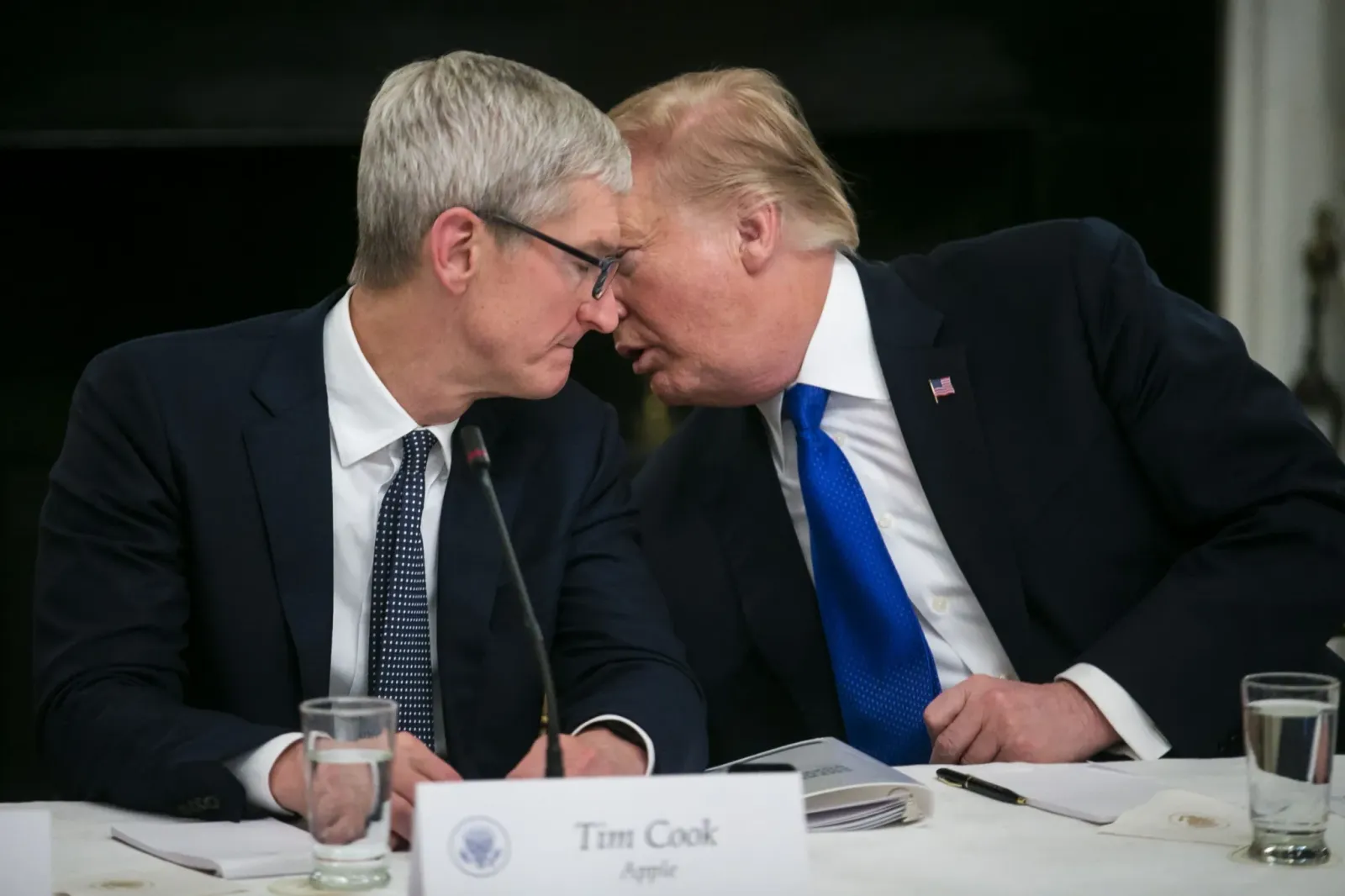
Tim Cook steps down as Apple CEO, stays on as chair with $45M equity
The 'Trump whisperer' keeps his White House and Beijing access as Apple navigates tariffs and a $4.6 trillion market cap.
Snowflake shares surge as AI data demand crushes estimates, lifting full-year forecast
Stocks jumped on stronger-than-expected guidance, signaling enterprise AI workloads are accelerating faster than Wall Street priced in.
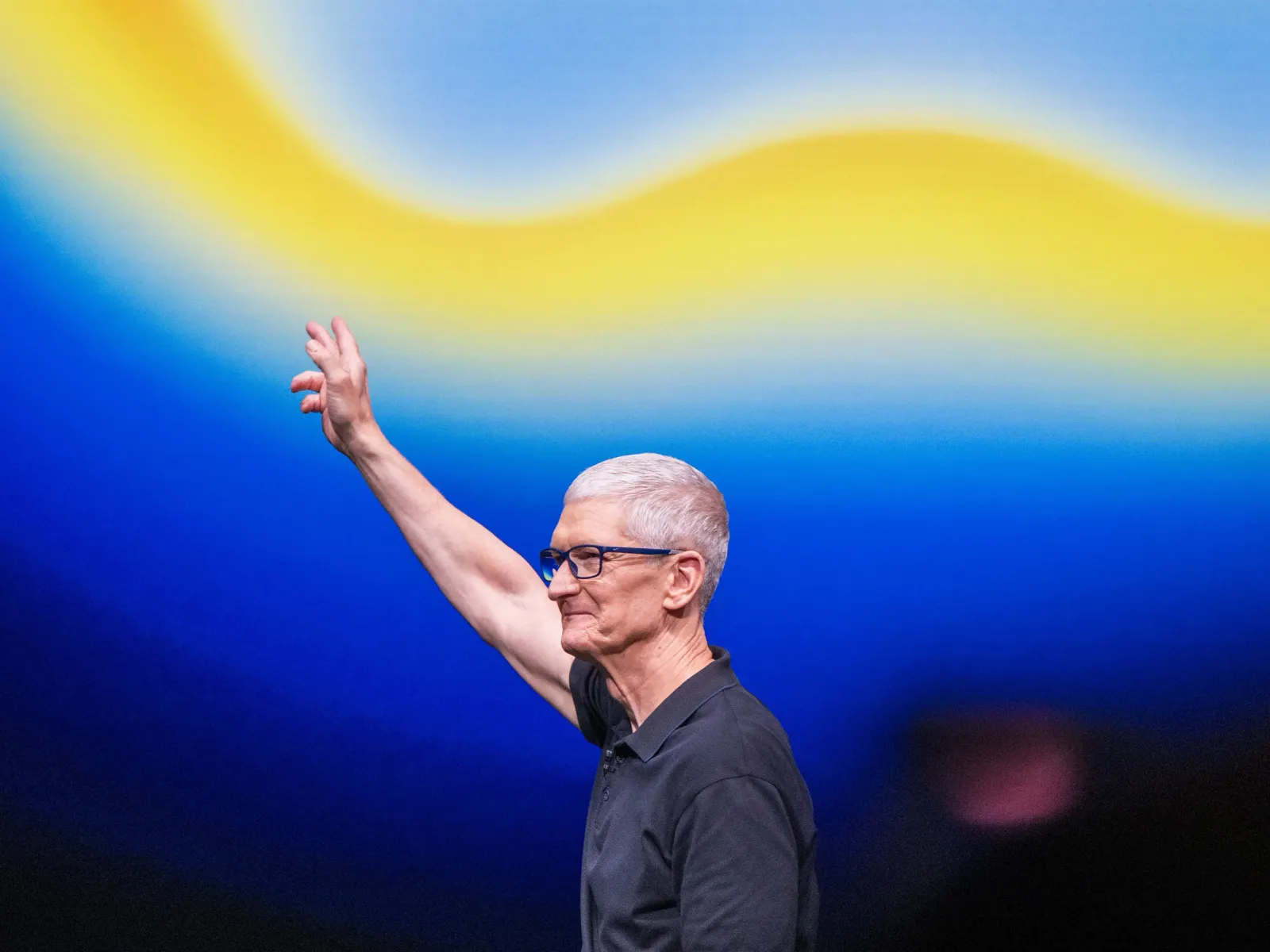
Tim Cook's 15-year Apple CEO run ends: 3 lessons for any successor
After 15 years, Tim Cook hands Apple to John Ternus - here's how he turned a $350B company into a $4.6T juggernaut.