

Packers Won't Release Josh Jacobs Despite Battery Charge
The Packers are sticking with their star running back after a legal scare, but the charges could still trigger NFL discipline and reshape their backfield plans.
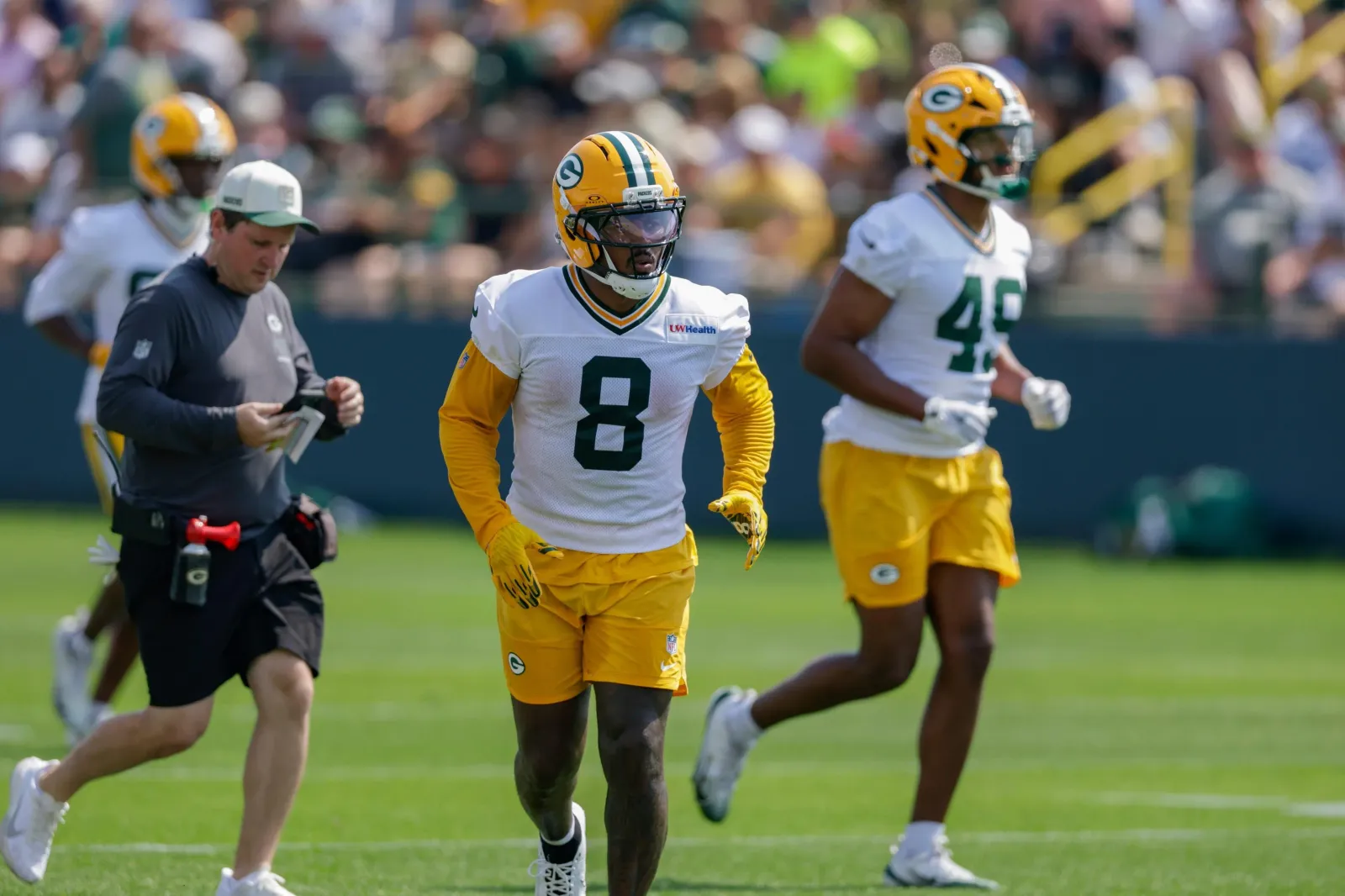
The Green Bay Packers announced they are not planning to release running back Josh Jacobs after he was charged with misdemeanor battery and criminal damage on Thursday. The decision keeps Jacobs on the roster for now, but the legal case and potential NFL suspension could still disrupt the team's season.
The Green Bay Packers are not planning to release running back Josh Jacobs, even after he was charged with misdemeanor battery and criminal damage on Thursday. The team's stance, reported by multiple outlets, signals that the organization is willing to let the legal process play out before making any roster decisions. For a player who has been the centerpiece of the Packers' ground game, this is a significant vote of confidence-and a calculated risk.
Jacobs, who joined Green Bay as a high-profile free agent, has been a workhorse in the backfield, carrying the load in a run-first offense that relies on his vision and power. The charges stem from an incident that occurred on Thursday, though details of the alleged altercation have not been fully disclosed. Misdemeanor battery and criminal damage are serious accusations, but they are not automatically career-ending for an NFL player. The Packers' decision to keep him suggests they believe the situation is manageable, at least for now, and that they are not ready to pull the plug on a player who has been central to their offensive identity.
The legal process will now unfold, and Jacobs will have his day in court. Meanwhile, the NFL is likely to review the case under its personal conduct policy. Even if the criminal charges are reduced or dismissed, the league can impose its own discipline, including fines or suspensions. That means Jacobs' availability for the upcoming season is not guaranteed, despite the team's current stance. The league typically waits for the legal outcome before acting, but it can also act independently if it deems the behavior detrimental to the league's image. For the Packers, this uncertainty is a lingering cloud over a season with high expectations.
For the Packers, the decision to hold onto Jacobs is a calculated one. Releasing him would have created a void in the backfield and forced the team to scramble for a replacement, likely through a thin free-agent market or a mid-season trade. With playoff aspirations and a young quarterback still developing, Green Bay needs its best playmakers on the field. Jacobs' ability to run between the tackles and catch passes out of the backfield makes him a dual threat that is hard to replace. The team has invested heavily in him, both in terms of salary and offensive scheme, and cutting ties now would be an admission of a failed bet-something the front office is not ready to make.
The team's approach also reflects a broader trend in the NFL. Teams often wait for the legal system to run its course before making disciplinary decisions. Premature releases can backfire if charges are dropped or reduced, leaving the team without a valuable asset and with dead money on the cap. By keeping Jacobs, the Packers preserve flexibility. They can still change course if new information emerges, but they are not making a rash decision based on initial reports. This measured approach is typical of a franchise that prides itself on stability and due process, even when public pressure mounts.
For fans and fantasy football managers, the news is a relief. Jacobs was expected to be a top-tier running back this season, and his removal would have sent shockwaves through drafts and waiver wires. However, the situation remains fluid. A suspension, even a short one, would impact his value and the Packers' offensive rhythm. The team will need to have a contingency plan if Jacobs is forced to miss time, which could mean increased carries for backup running backs or a heavier reliance on the passing game. The coaching staff will likely adjust their game plans accordingly, but there is no true substitute for Jacobs' production.
The Packers have a history of supporting players through legal issues, but they also hold players to a standard. The organization will likely monitor the case closely and communicate with the league office to ensure they are aligned on any potential discipline. The next few weeks will be critical as Jacobs' legal team prepares a response and the court sets a schedule. The team's public stance is clear, but behind the scenes, they are preparing for multiple scenarios, including the possibility of a suspension that could sideline Jacobs for a game or more.
In the end, the Packers are betting that Jacobs' on-field contributions outweigh the off-field distraction. The charges are serious, but they are not the kind that typically result in a long-term ban. Unless more damaging details emerge, Jacobs will likely remain a Packer. The team's decision to keep him is a statement of intent: they are focused on winning now, and they believe Jacobs is part of that equation. The legal process will determine the rest, but for the moment, Green Bay is holding its ground-and its star running back.
This story's Key Insights and Take-aways are locked.
Create a free account to unlock Executive Actions for one credit.
Register to UnlockAlways free for Executives Club members. Join the Club
More in Business
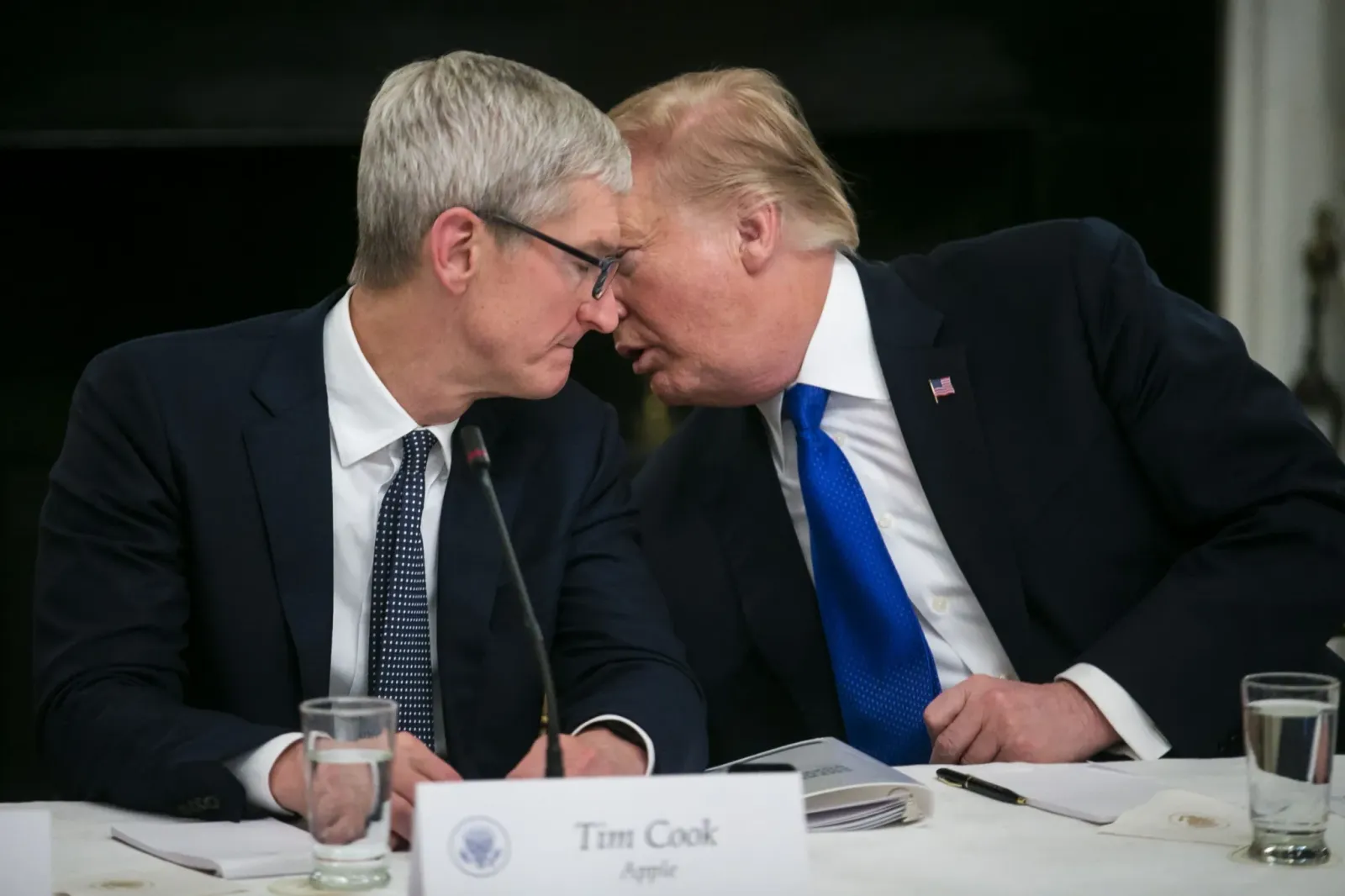
Tim Cook steps down as Apple CEO, stays on as chair with $45M equity
The 'Trump whisperer' keeps his White House and Beijing access as Apple navigates tariffs and a $4.6 trillion market cap.

Snowflake shares surge as AI data demand crushes estimates, lifting full-year forecast
Stocks jumped on stronger-than-expected guidance, signaling enterprise AI workloads are accelerating faster than Wall Street priced in.
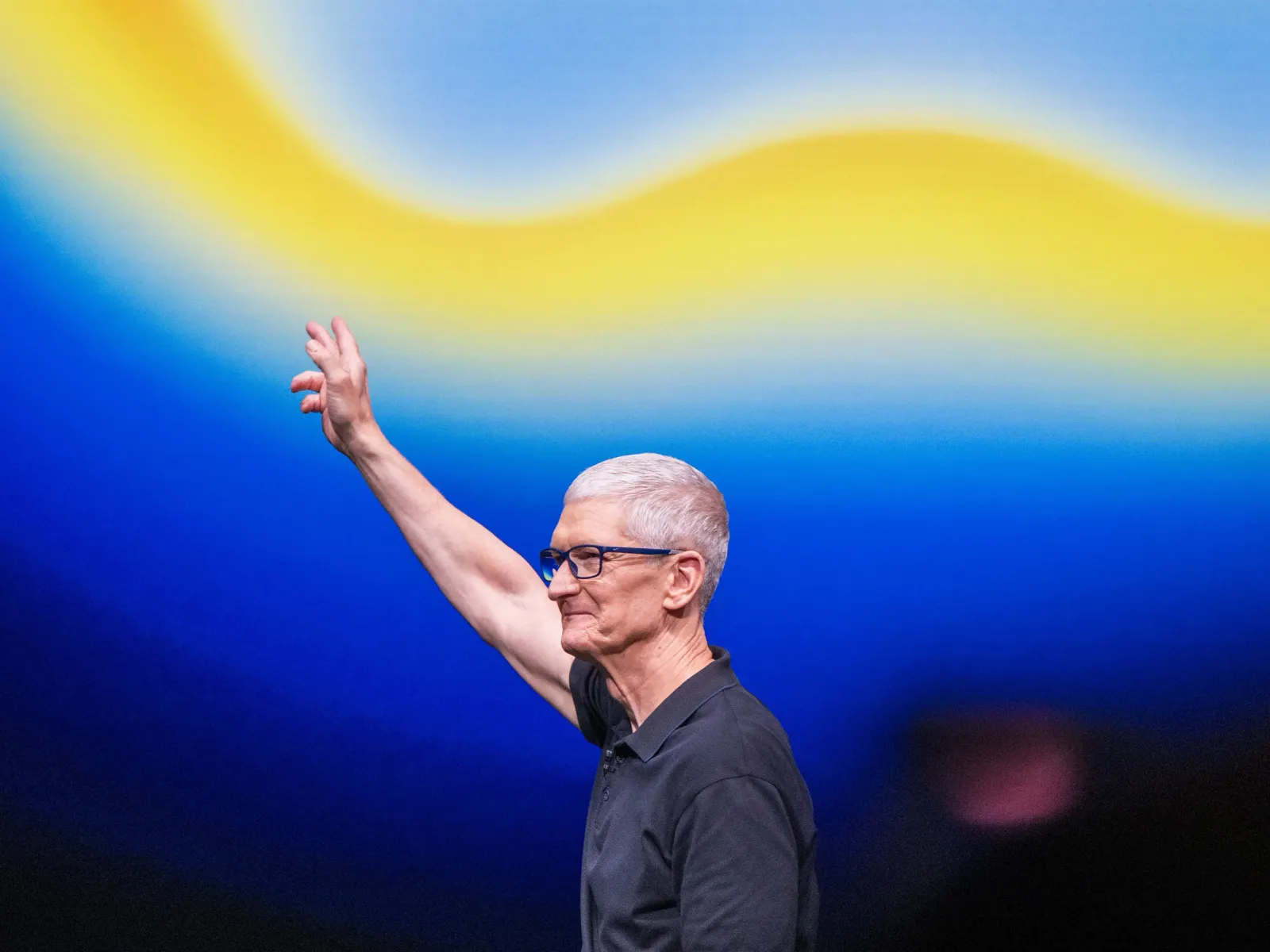
Tim Cook's 15-year Apple CEO run ends: 3 lessons for any successor
After 15 years, Tim Cook hands Apple to John Ternus - here's how he turned a $350B company into a $4.6T juggernaut.