
Palo Alto CEO: $1 Trillion in Cybersecurity Gear Isn't Ready for AI
Arora: $1 trillion in legacy security can't handle AI, and the upgrade bill is staggering.
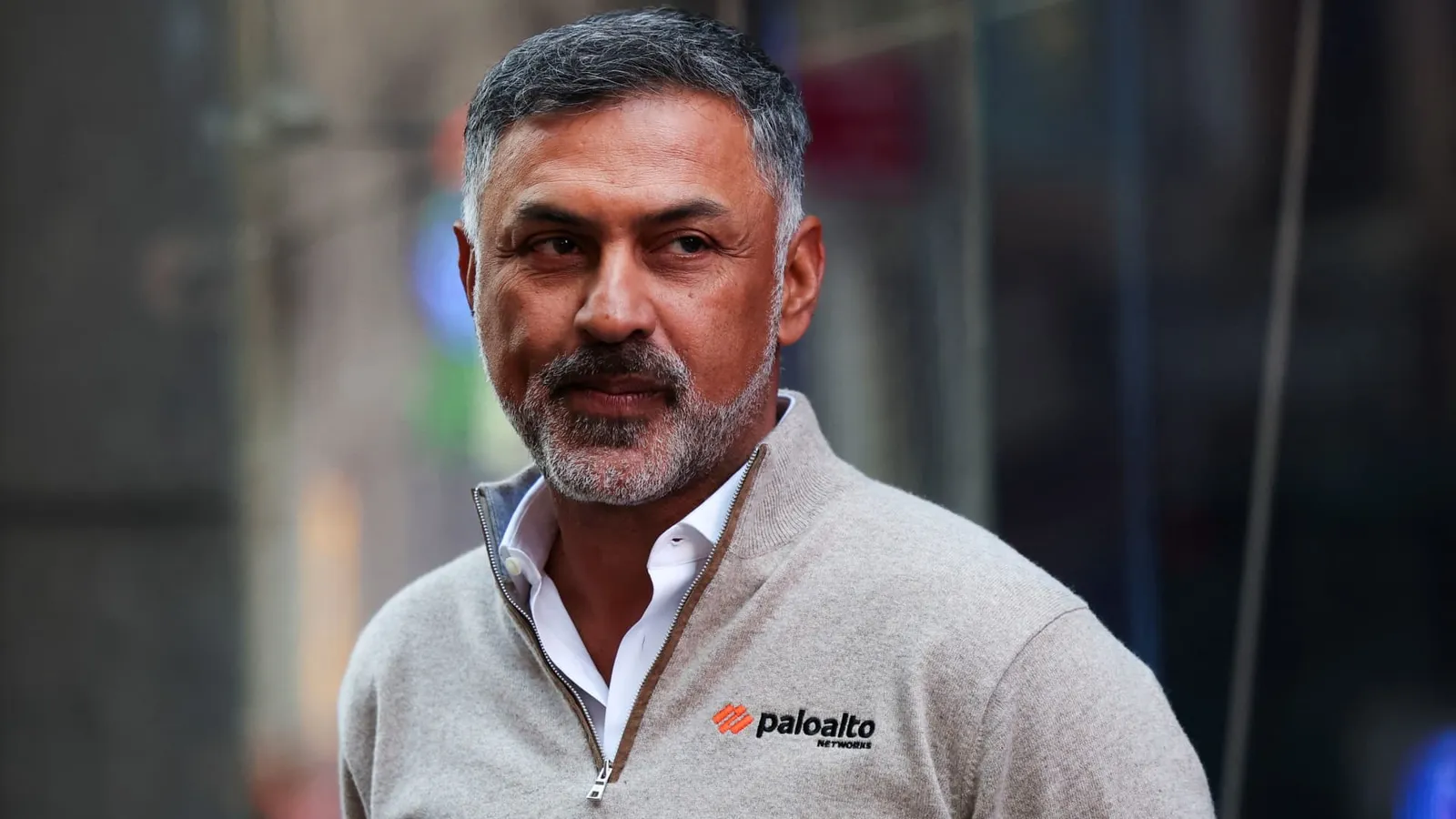
Palo Alto Networks CEO Nikesh Arora said AI is forcing companies to modernize roughly $1 trillion of aging cybersecurity infrastructure that isn't equipped for attacks. For executives, that means a massive, urgent capital outlay or a dangerous exposure to AI-driven breaches.
Palo Alto Networks CEO Nikesh Arora dropped a number that should make every boardroom sit up: $1 trillion. That's the price tag, he says, for modernizing the aging cybersecurity infrastructure that companies are running as AI reshapes the threat landscape. The statement, made in a recent public appearance, is a stark warning that the tools protecting most enterprises today were built for a world that no longer exists.
Arora's warning underscores a painful truth: the security stack that defended networks for the past two decades was never designed to stop AI-powered phishing, automated vulnerability scanning, or deepfake social engineering. Legacy firewalls, intrusion detection systems, and endpoint protections are reactive and signature-based. They wait for known threats, but AI generates new ones at machine speed. The result is a widening gap between what attackers can do and what defenders can stop.
Arora, a former Google executive who took the helm at Palo Alto Networks in 2018, has been pushing the company toward a platform approach, consolidating point products into a unified security architecture. His comments reflect a broader industry shift as vendors race to embed AI into their own defenses. But the challenge is not just about adding AI features to existing tools. It's about rearchitecting security for the cloud, for remote work, and for the AI-driven attacks that are already emerging. Legacy systems, often bolted on over decades, are brittle and siloed, making them easy targets for attackers who can now automate reconnaissance and exploitation.
The $1 trillion figure is staggering, but it's not just about replacing hardware. It's about rethinking the entire security model. Companies need to invest in AI-native platforms that can analyze vast amounts of data in real time, detect anomalies, and respond automatically. They need to secure their own AI models and data pipelines, which are becoming new attack surfaces. And they need to train their security teams to work alongside AI, not against it. None of that is cheap, and most organizations are starting from a legacy baseline that was never designed for this level of complexity.
For CFOs and CEOs, the message is clear: either invest now in modernizing security, or face the consequences of a major breach. The average cost of a data breach has been climbing for years, and AI is making attacks faster, cheaper, and harder to detect. A single successful ransomware attack can shut down operations for weeks, trigger regulatory fines, and destroy customer trust. Waiting is not a strategy. The longer a company delays, the more exposed it becomes, and the more expensive the eventual upgrade will be.
Arora's comments also highlight a massive market opportunity. If companies are going to spend $1 trillion, cybersecurity vendors like Palo Alto Networks, CrowdStrike, and Zscaler are positioned to capture a significant share. But the competition is fierce, and the bar for AI-native security is rising. Vendors that can deliver integrated, AI-driven platforms will win; those that offer point products or bolt-on AI features will struggle. For enterprises, this means the vendor selection process is more critical than ever. Choosing the wrong platform could lock in another decade of legacy debt.
The clock is ticking. AI is not a future threat; it's here now. Arora's warning is a call to action for every organization that hasn't yet started the modernization journey. The $1 trillion question is whether companies will spend it proactively, before a major breach forces their hand, or reactively, after the damage is done. The answer will determine not just their security posture, but their competitive survival in an AI-driven economy.
This story's Key Insights and Take-aways are locked.
Create a free account to unlock Executive Actions for one credit.
Register to UnlockAlways free for Executives Club members. Join the Club
More in Business
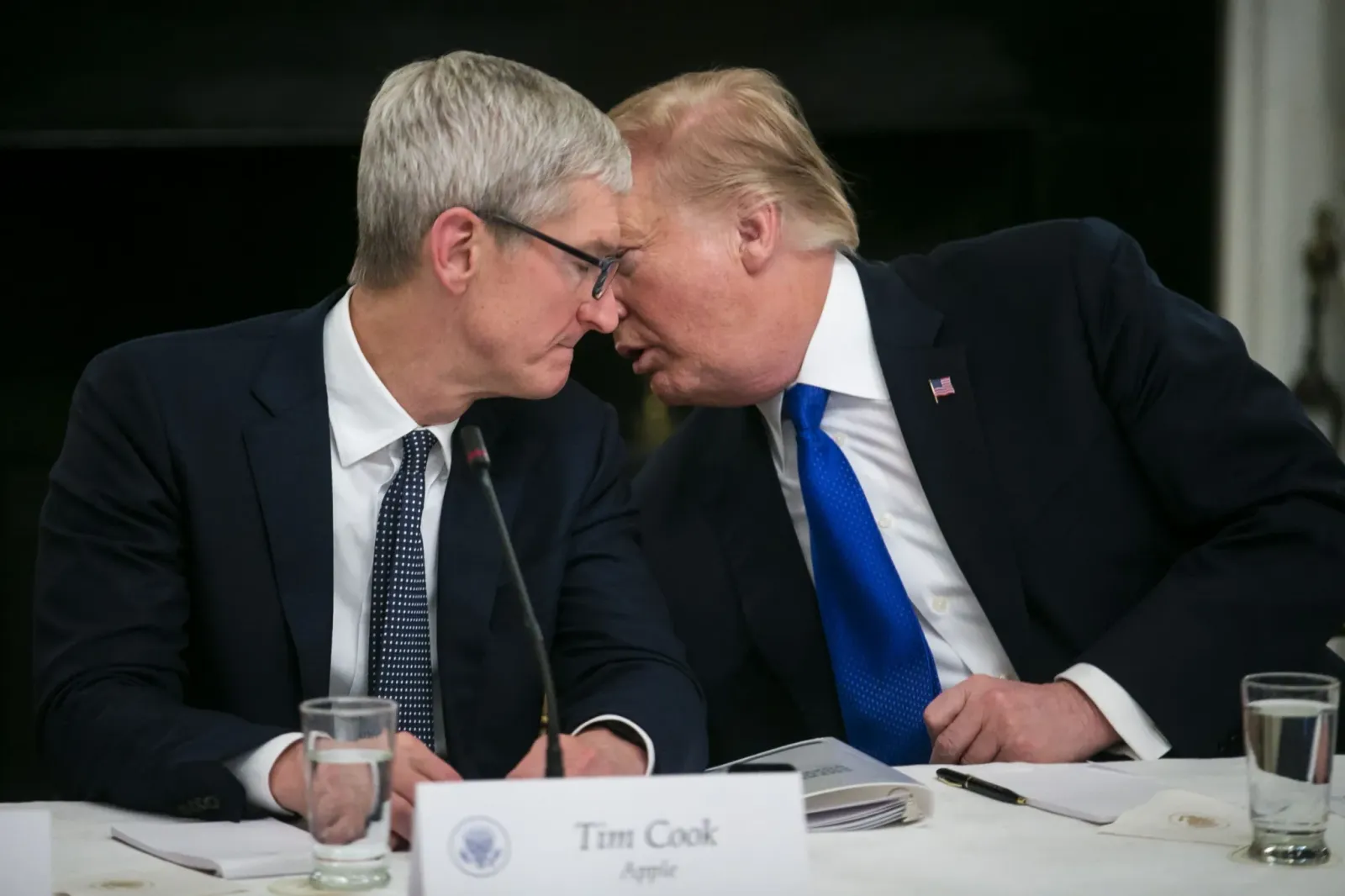
Tim Cook steps down as Apple CEO, stays on as chair with $45M equity
The 'Trump whisperer' keeps his White House and Beijing access as Apple navigates tariffs and a $4.6 trillion market cap.
Snowflake shares surge as AI data demand crushes estimates, lifting full-year forecast
Stocks jumped on stronger-than-expected guidance, signaling enterprise AI workloads are accelerating faster than Wall Street priced in.
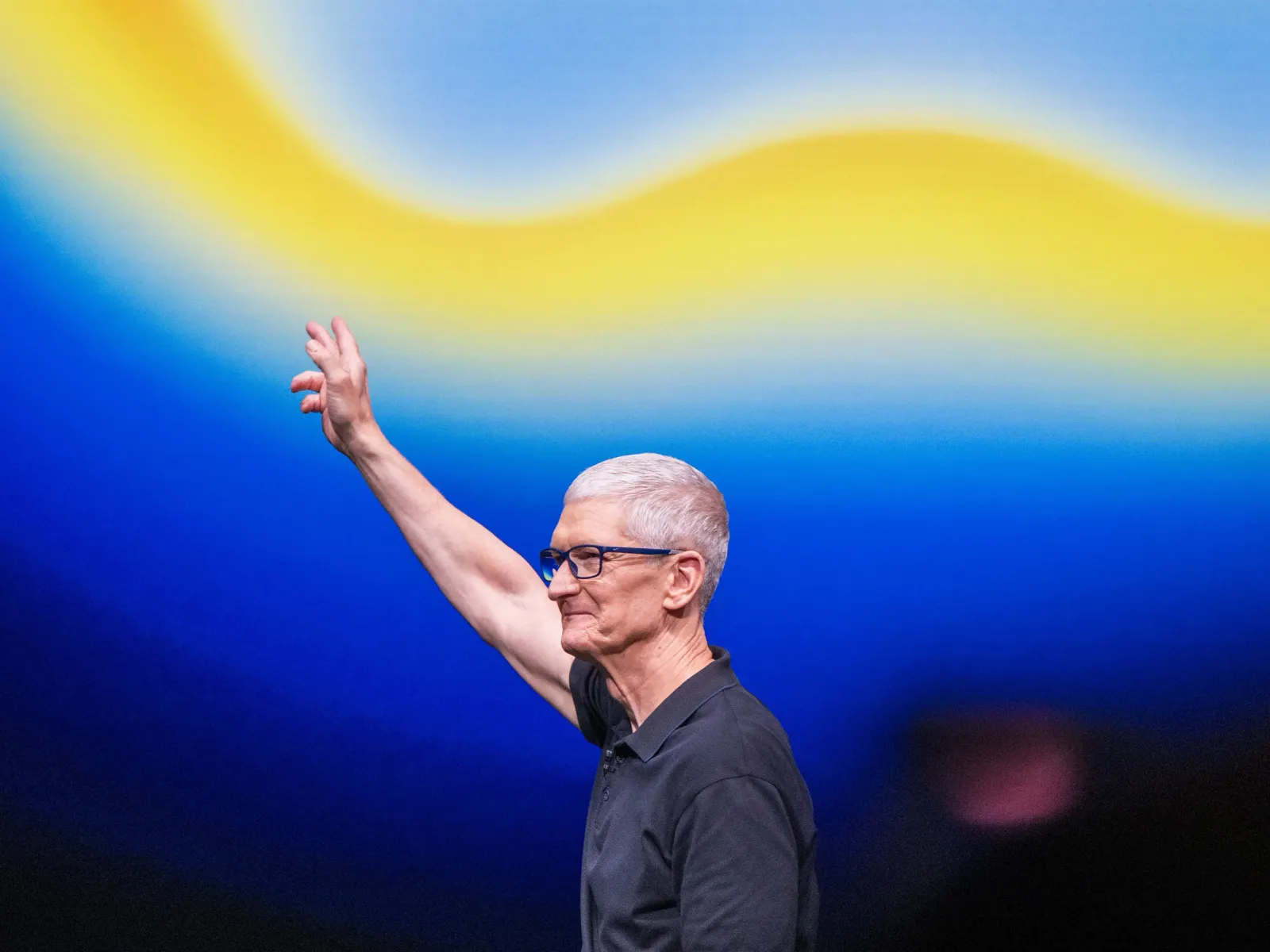
Tim Cook's 15-year Apple CEO run ends: 3 lessons for any successor
After 15 years, Tim Cook hands Apple to John Ternus - here's how he turned a $350B company into a $4.6T juggernaut.