
Palworld 1.0: Pocketpair tells players to delete old mods, disabling is not enough
The studio warns that leftover mod data from around 2024 can cause crashes, corrupted saves, or stuck quests.
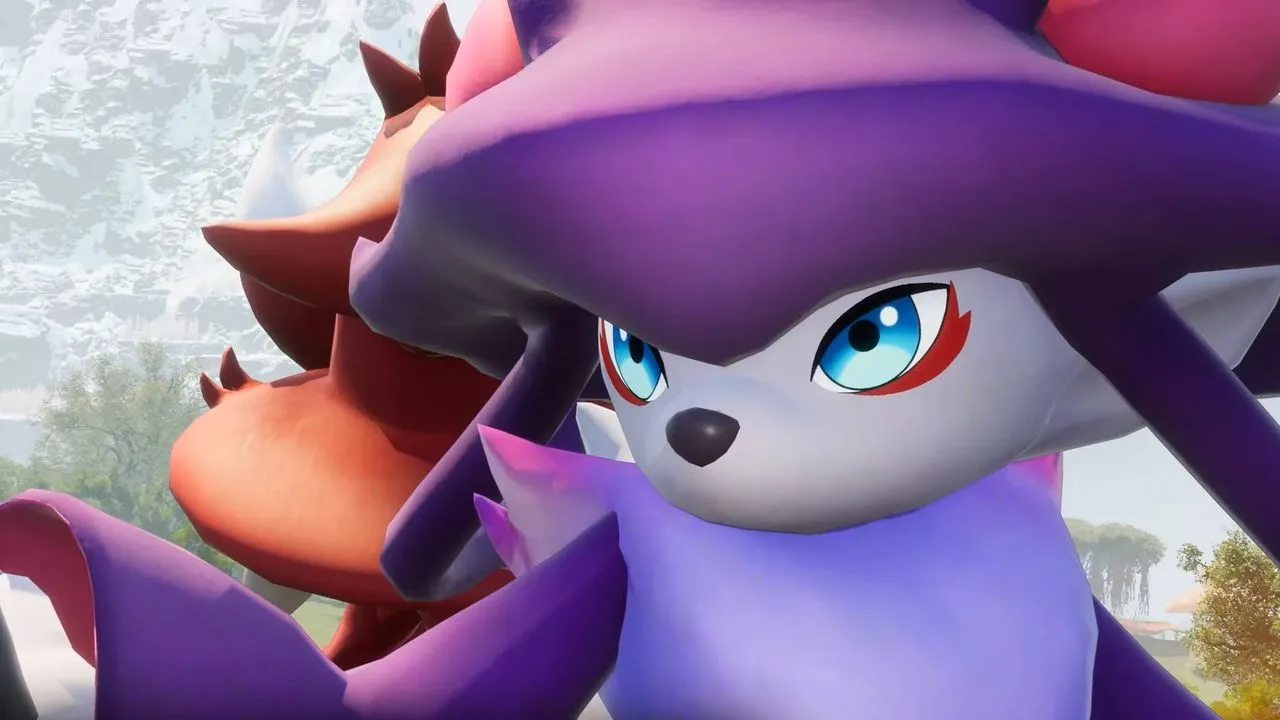
Pocketpair, the Palworld studio, cautioned players ahead of the 1.0 release on July 10 that old installed mods and related data can break the game. Decision-makers should treat this as a release-operations lesson: mod ecosystems can introduce failure modes even when mods are “disabled.”
Palworld is launching into full release tomorrow, July 10, after two-and-a-half years in early access. And in a rare pre-1.0 warning that reads less like “tips” and more like “don’t blame us,” Pocketpair is telling players to delete old mod data. The kicker: disabling mods is not enough.
In today’s caution, Pocketpair said it supports modding and looks forward to “the amazing mods that will be made after 1.0.” But it also warned that the upcoming 1.0 update includes significant changes to the game’s systems, and that old and “potentially harmful” mod data left installed, especially mods left since around 2024, may cause problems like crashes when launching or playing, corrupted save data or save data failing to load, and quests or events becoming impossible to progress. The studio then clarified the mechanism behind the risk: simply switching mods off does not guarantee the related data and mod loaders are unloaded when the game starts.
That distinction matters for anyone thinking about operational risk in games, platforms, or any modifiable software. In most consumer mod ecosystems, “disable” is often a checkbox, not a full teardown. The game client still has to decide what files to load, what mod loader components to initialize, and how to handle persisted data. Pocketpair is effectively saying: even if you turn the mods off in the UI, the underlying footprint can remain. For players, that translates into the practical question: what state is your client in right now, after months or years of experimentation? For executives running live products, it’s the same question but with a different KPI: how many support tickets, refund requests, and churn events are you likely to absorb right at launch?
Pocketpair’s solution is blunt and procedural. The only way to be sure, the studio said, is to manually delete the relevant data, including backing up saves first. The steps Pocketpair included in its mod usage guidelines boil down to this: back up your save data; delete Pal\Binaries\Win64 and Pal\Content\Paks; then verify your game files on Steam. After that, verify the game launches properly before applying the 1.0 update. If you subscribed to any Steam Workshop mods, you must unsubscribe from those as well and manually delete that data too.
There’s a second-order message hidden in those instructions. The studio is trying to reduce the probability that “unknown state” makes it into the support queue. Pocketpair also recommended not reinstalling any mods until their makers have confirmed they have been updated for the 1.0 version, and to do them one at a time so everything works smoothly. And then it draws a line you should assume will be enforced if anything goes wrong: “Please note that issues that occur while using MODs, or modified game data, are not covered by support.” In other words, the company is preemptively shaping both player behavior and the boundaries of liability.
This is where launch-day incentives collide with long-term ecosystem health. On one hand, Pocketpair is explicitly positioning modding as a feature of the game’s future, not a nuisance to be eradicated. It even says it looks forward to the “amazing mods” after 1.0. On the other hand, it’s telling players that old mod residues can corrupt saves, break quest progression, and trigger crashes, which are exactly the kinds of issues that can stall a full release even if the core game is solid.
For decision-makers, the market context is simple: full release days are high-visibility, low-tolerance moments. After early access, expectations rise. A price staying the same is a crowd-pleaser, but it does not matter if players who return for 1.0 hit corrupted saves or stuck content. The lesson is not that modding is bad; it is that mod compatibility is not a one-time patch note. It is a continuing contract between game system changes, mod loaders, persistent data, and user-installed files that can remain installed for months.
And while this is happening inside one studio’s ecosystem, the playbook is transferable. If you manage a platform, a game, an SDK, or any product that supports third-party extensions, you should assume users will bring forward messy history. They will upgrade out of sync. They will disable something but forget what else that change touched. They will come back after a long time away and expect the past to be inert. Pocketpair’s warning is essentially telling players, and by extension other companies in similar categories, to treat 1.0 like a systems migration, not a patch.
This story's Key Insights and Take-aways are locked.
Create a free account to unlock Executive Actions for one credit.
Register to UnlockAlways free for Executives Club members. Join the Club
More in Entertainment

12TB Steam 'teraleak' goes beyond Valve: GTA 3, Mafia 2 prototypes exposed
A 12-terabyte dump of Steam data reveals prototypes and builds of third-party classics like GTA 3 and Mafia 2, plus unreleased Valve content, rewriting game history.

LinkedIn's romance problem: 1 in 4 workers say dating on it is fair game
A new survey shows a quarter of U.S. employees treat the professional network as fair game for romance, even as LinkedIn bans it and removes hundreds of thousands of offending posts.

Enhypen's first No. 1 album breaks K-pop's Billboard 200 streak
The K-pop group's 98,000-unit debut tops the chart while Dolly Parton's catalog reentry shows how death reshapes streaming.