
Pandora and Swarovski shut mainland stores as China pivots from fashion jewelry to gold
Young shoppers moved on, forcing both brands to shrink store footprints and rethink their China growth math.
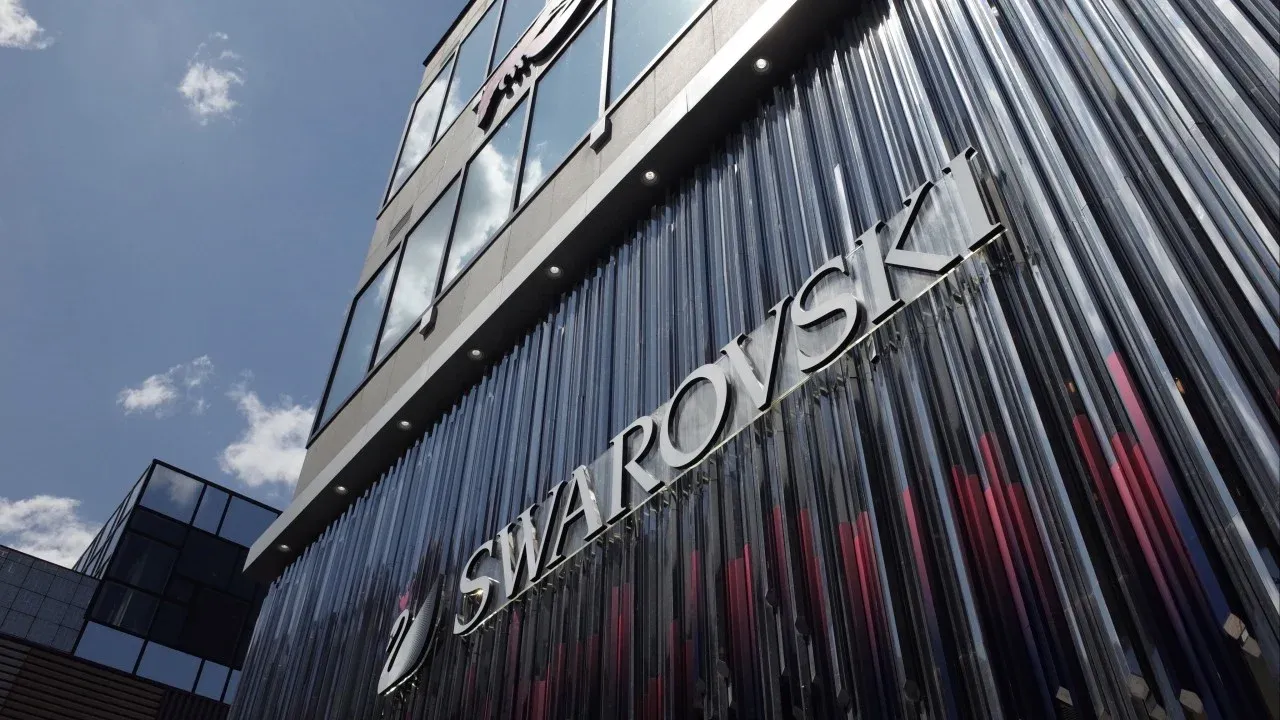
Pandora and Swarovski have closed a large number of their mainland China stores as demand weakened and shoppers shifted toward high-end luxury goods and value-preserving products like gold. For decision-makers, the episode is a warning that brand relevance and category positioning can change fast in China.
Pandora and Swarovski are quietly losing their grip on mainland China retail. According to the SCMP Business report, both brands have closed a large number of stores after “lost brand appeal,” as shoppers increasingly prefer either high-end luxury goods or value-preserving products such as gold.
The most telling data point in the story is Pandora’s China peak. Copenhagen-listed Pandora was at its high point in 2019, running more than 240 stores in mainland China and posting revenue of 1.97 billion Danish kroner, or US$300 million. But the report says its mainland sales have declined annually ever since. That is the arc that matters to executives: when the decline is year-over-year for multiple years, it is less likely to be a temporary wobble and more likely to be a structural mismatch between what the brand offers and what Chinese jewelry buyers want now.
To understand why this happened, it helps to remember what these brands were originally selling in China. Pandora and Swarovski are often associated with accessible fashion jewelry. Their early appeal with younger consumers fit a world where jewelry was a trend-led accessory, driven by visibility in shopping streets and social media. But jewelry demand is not static. In the SCMP telling, the buyer behavior shift is straightforward: shoppers now place more emphasis on either prestige positioning (high-end luxury) or on products that hold value (gold).
That distinction is important for boardrooms because it changes how customers perceive “value.” A fashion jewelry business wins when newness and design cycles keep people buying. A value-preserving business wins when economic uncertainty makes consumers more comfortable spending on items that feel like they can retain worth. If your brand sits in the middle, you can get squeezed from both directions. The story’s framing suggests exactly that. Pandora and Swarovski lose traction when consumers decide they would rather upgrade to luxury, or buy something with a more durable price narrative like gold.
The closure of store locations is the downstream consequence of that mismatch. The report says Pandora and Swarovski closed a large number of mainland stores amid this shift. That kind of footprint contraction is rarely just about cutting costs, though it can do that. It also reflects a re-rating of future cash flows: fewer stores can mean lower fixed costs and less capital tied up in lease commitments. But closures are also a signal that the brand cannot rely on its past distribution to create demand when the category preferences have moved.
There is another layer here that matters to decision-makers: China’s retail market has increasingly favored “right product, right price, right channel” execution. When the demand engine changes from trend purchasing to perceived value purchasing, brands can get stuck with inventory, smaller conversion rates, and weaker traffic. That is when store counts stop being a marketing tool and start being a liability. Pandora’s long slide in mainland sales after 2019, combined with store closures at both brands, implies a prolonged period of underperformance rather than a single bad quarter.
Finally, the strategic stakes go beyond Pandora and Swarovski. Jewelry is a highly visible consumer category, so shifts in it tend to foreshadow broader consumer behavior. For executives at similar companies, the risk is that brand equity declines quietly. A decade ago, being “popular with young shoppers” might have been enough. Now, SCMP’s report suggests that shoppers are choosing products based on a different promise: luxury status or value preservation. If that preference switch becomes the new normal, brands that do not adjust product positioning and customer value propositions can find themselves closing stores, even if the brand is still recognizable.
So what should peers take from this? The headline is about store closures, but the deeper story is about what happens when customer priorities change faster than a brand can reposition. Pandora’s 2019 peak and the subsequent annual declines show the timeline. The report’s description of shoppers moving toward gold and toward high-end luxury goods explains the why. Together, they create a clear lesson for boards: protect brand relevance not as a slogan, but as a measurable commercial outcome in the specific market where you operate.
This story's Key Insights and Take-aways are locked.
Create a free account to unlock Executive Actions for one credit.
Register to UnlockAlways free for Executives Club members. Join the Club
More in Business

A flaw in PHP just forced governments to pull their own sites offline
European agencies from Belgium to Germany took websites dark to patch a critical weakness in the language behind almost 70% of the web, and the blast radius extends far beyond government portals.

BioWare shuts down, Mass Effect 5 dead after $55B EA buyout
The legendary RPG studio's closure lands months after a $55 billion investment group buyout of EA, raising tough questions for gaming's biggest acquirers.

Musk barred from the room as Tesla, SpaceX boards weigh $3.5 trillion merger
The CEO of both companies is a 'conflicted party' watching independent directors negotiate a tie-up that would create a $3.5 trillion giant he would own about a third of.