
Paramount's Ellison can't clear final antitrust hurdle for WBD deal
A group of state attorneys general is blocking David Ellison's acquisition of Warner Bros. Discovery - here's what it means for the media landscape.

Paramount CEO David Ellison faces an antitrust challenge from state attorneys general that is blocking his acquisition of Warner Bros. Discovery. The deal's fate now hinges on Ellison's ability to find a regulatory path forward, with implications for media consolidation.
Paramount CEO David Ellison is staring at a wall he can't climb: a group of state attorneys general has thrown an antitrust challenge in front of his proposed acquisition of Warner Bros. Discovery, and so far, every avenue he's tried has failed to clear it. The source is blunt - Ellison is at the final hurdle, and he can't get over it. This isn't a routine regulatory speed bump; it's a full stop that threatens to undo months of deal-making and reshape the competitive landscape of media.
The challenge is the final hurdle in a deal that would combine two of the industry's most formidable content libraries and streaming ambitions. For Ellison, who took the helm at Paramount with a mandate to scale up and compete with the tech giants, this is the moment where regulatory reality meets strategic ambition. The state attorneys general's move signals that they see something in this merger that worries them - likely concerns about market concentration, consumer choice, and the potential for higher prices or reduced competition in an already consolidated industry. While the specific allegations aren't detailed in the source, the mere existence of a state-level challenge is a powerful signal that the deal's opponents are organized and determined.
State attorneys general have increasingly flexed their muscles in merger reviews, often joining federal regulators or launching their own probes. In media, where consolidation has been a recurring theme, these challenges can be decisive. The AGs' involvement adds a layer of complexity that federal review alone might not capture, and it can turn a straightforward approval process into a political and legal minefield. For Ellison, this means the deal's fate now rests not just on the Federal Trade Commission or the Department of Justice, but on a coalition of state officials who may have their own agendas and constituencies to satisfy.
Ellison is now hunting for avenues to get the deal done. That could mean negotiating concessions, divesting assets, or even litigating the challenge in court. But with the clock ticking and the deal already at the final hurdle, each option carries significant risk and cost. Concessions might appease the AGs but could weaken the strategic rationale for the merger. Divestitures could be complex and time-consuming, potentially unraveling the synergies that made the deal attractive in the first place. Litigation, meanwhile, could drag on for months or years, leaving both companies in limbo and vulnerable to market shifts.
If the deal collapses, it would be a major setback for both companies. Paramount and WBD have been navigating a rapidly changing media environment, with streaming wars, cord-cutting, and the rise of AI-driven content creation. A failed merger could leave both companies vulnerable to takeovers or force them to rethink their strategies from scratch. For Paramount, Ellison's vision of a scaled-up competitor would be dealt a severe blow. For WBD, the loss of a potential merger partner could mean continued uncertainty about its long-term direction, especially as it faces its own debt load and competitive pressures.
For other CEOs eyeing big media deals, this is a cautionary tale: even after clearing federal review, state-level challenges can derail a transaction. The lesson is to build a regulatory strategy that anticipates state AGs from day one, not as an afterthought. That means mapping the political landscape of key states, understanding their antitrust priorities, and engaging with them early to address concerns before they escalate into formal challenges. The days of assuming federal approval is sufficient are over - state attorneys general have become de facto veto players in high-profile M&A.
Ellison's ability to navigate this will be watched closely. He's already proven he can close complex deals, but this one tests his political and legal acumen. The outcome will signal whether the era of mega-media mergers is truly over or just facing new obstacles. If he finds a way through, it could set a precedent for how future deals are structured and negotiated. If he fails, it could embolden other state AGs to challenge consolidation across industries, not just in media.
For now, the deal hangs in the balance. Ellison's next move will determine not just the fate of two media giants, but the shape of the industry for years to come. The stakes are enormous, and the clock is ticking. Whether he can clear this final hurdle remains to be seen, but one thing is certain: the path forward will be anything but smooth.
This story's Key Insights and Take-aways are locked.
Create a free account to unlock Executive Actions for one credit.
Register to UnlockAlways free for Executives Club members. Join the Club
More in Business
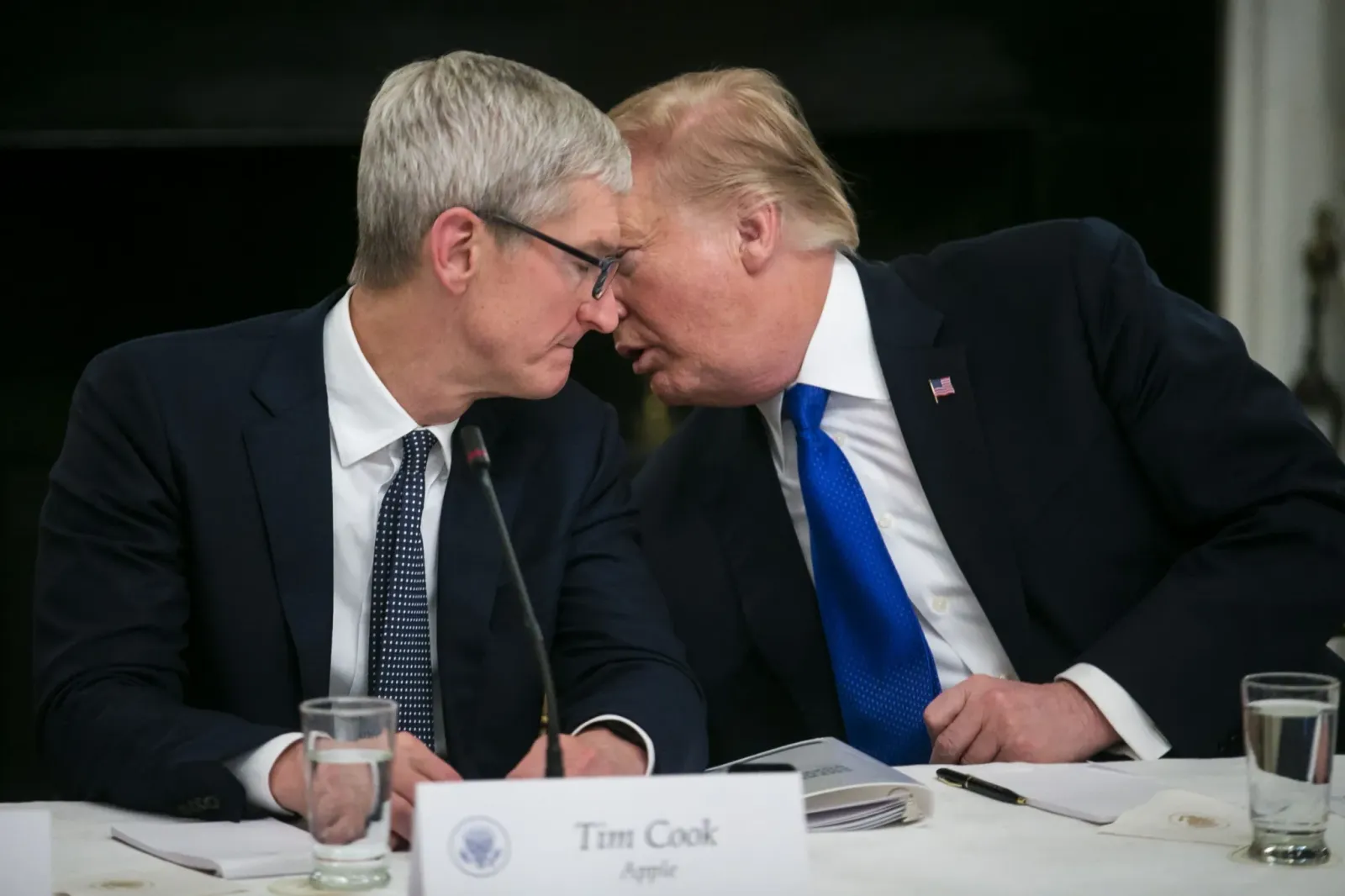
Tim Cook steps down as Apple CEO, stays on as chair with $45M equity
The 'Trump whisperer' keeps his White House and Beijing access as Apple navigates tariffs and a $4.6 trillion market cap.
Snowflake shares surge as AI data demand crushes estimates, lifting full-year forecast
Stocks jumped on stronger-than-expected guidance, signaling enterprise AI workloads are accelerating faster than Wall Street priced in.
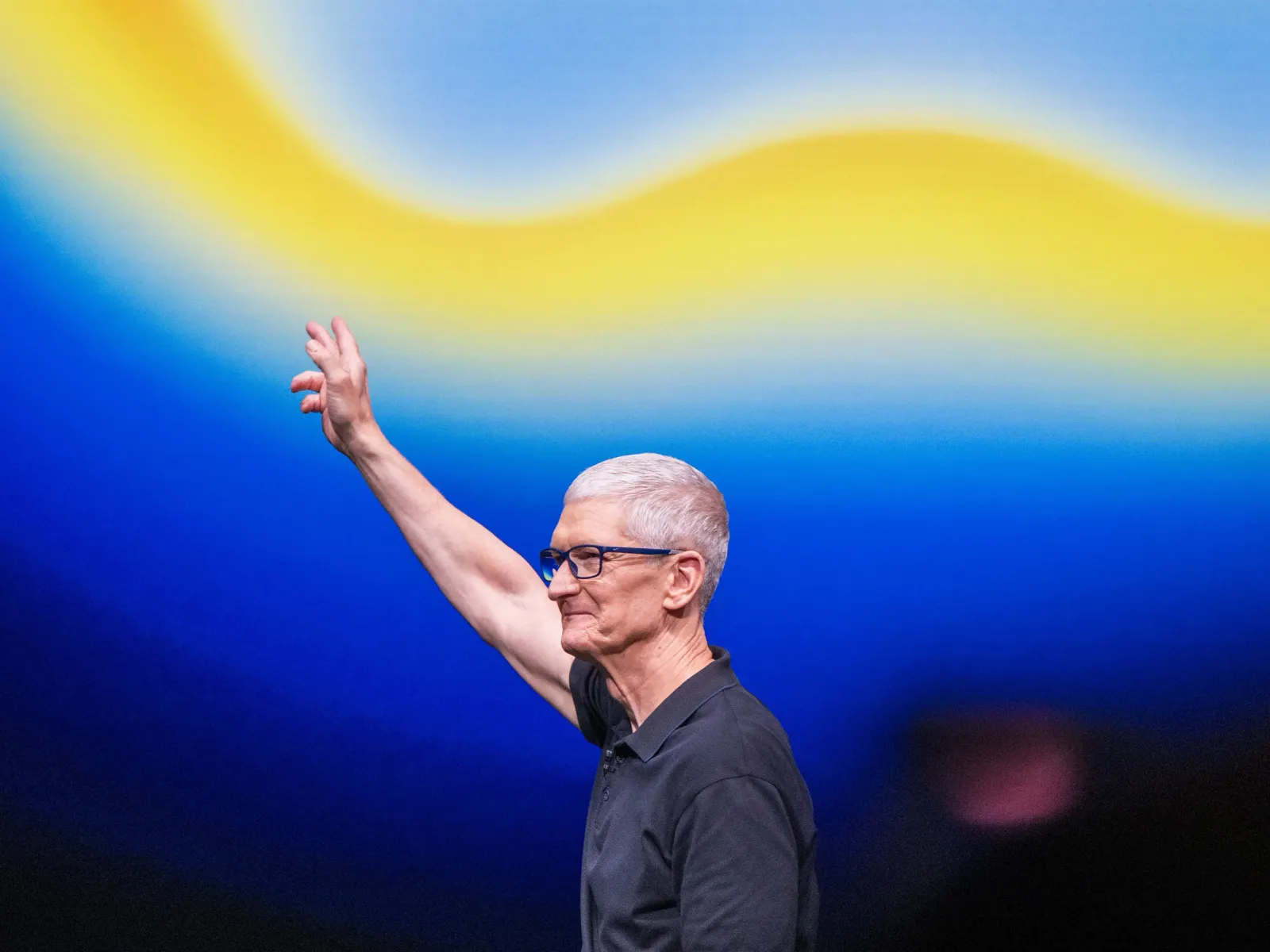
Tim Cook's 15-year Apple CEO run ends: 3 lessons for any successor
After 15 years, Tim Cook hands Apple to John Ternus - here's how he turned a $350B company into a $4.6T juggernaut.