
Paramount-WBD Merger Hits Antitrust Wall: Media Deal Freeze Looms
A federal antitrust lawsuit could delay or derail the $40B Paramount-WBD tie-up, sending shockwaves through every pending media merger.
The proposed Paramount-Warner Bros. Discovery merger is now stalled by a Department of Justice antitrust lawsuit, threatening a deal that would reshape streaming and linear TV. For media executives, this signals a new regulatory era where consolidation faces aggressive scrutiny, forcing revaluation of M&A strategies across the sector.
The media industry's biggest bet in years just hit a legal brick wall. The Department of Justice has filed an antitrust lawsuit challenging the proposed $40 billion merger between Paramount Global and Warner Bros. Discovery (WBD), a deal that would have created a streaming and linear TV behemoth. The suit, filed in federal court, argues the combination would unfairly concentrate control over must-have content, from CNN to HBO to Paramount Pictures, and stifle competition in both traditional pay-TV and the increasingly crowded streaming market. For executives across Hollywood and Wall Street, the message is unmistakable: the era of mega-mergers is over, and the regulatory pendulum has swung hard against media consolidation.
The timing couldn't be worse for the two companies. Paramount, led by CEO Bob Bakish, has been struggling to navigate the cord-cutting decline while carrying a heavy debt load. WBD, under CEO David Zaslav, has similarly faced pressure to scale up to compete with Netflix, Disney, and Amazon. The merger was pitched as a defensive move - a way to combine libraries, sports rights, and production muscle to survive the streaming wars. But the DOJ's lawsuit, which seeks to block the deal entirely, throws that strategy into question. The case is expected to be heard in federal court later this year, and legal experts say the government's argument is unusually strong, citing recent precedent in the successful block of the Penguin Random House-Simon & Schuster merger.
The ripple effects are already being felt across the industry. Several other pending media deals, including smaller acquisitions and content partnerships, are now in limbo as companies wait to see how the courts rule. Investment bankers and M&A lawyers report a sudden chill in deal-making conversations, with boards hesitant to commit to transactions that could face similar legal challenges. The lawsuit also puts a spotlight on the Federal Communications Commission's review of the merger, which had been progressing separately. The DOJ's move effectively freezes that process, as the two agencies coordinate their enforcement efforts. For shareholders, the uncertainty is painful: Paramount's stock has dropped 12% since the suit was filed, while WBD's shares are down 8%, erasing billions in market value.
But the implications go far beyond these two companies. The lawsuit signals a fundamental shift in how regulators view media consolidation. Under the Biden administration, the DOJ and FTC have taken a more aggressive stance on antitrust, particularly in digital markets and content industries. This case is the clearest example yet that traditional media mergers are no longer safe bets. The government's argument centers on the concept of "bargaining power" - the idea that a combined Paramount-WBD would have outsized leverage in negotiations with cable operators, streaming platforms, and advertisers, ultimately harming consumers through higher prices and fewer choices. That framing could apply to any future deal involving major content owners, from NBCUniversal to Sony Pictures.
For media executives, the strategic calculus has changed overnight. The playbook of merging to achieve scale is now fraught with legal risk. Companies may need to pivot to alternative strategies: divesting assets, forming joint ventures, or focusing on organic growth. Some analysts suggest that the lawsuit could actually benefit smaller players, who might find it easier to acquire niche content or distribution assets without triggering regulatory scrutiny. Others warn that the uncertainty could lead to a freeze in M&A activity, leaving companies with fewer options to respond to the relentless shift toward streaming.
The courtroom battle will be closely watched, not just for its outcome but for the legal reasoning that emerges. If the DOJ wins, it could set a precedent that effectively ends large-scale media mergers for years. If the companies prevail, it might open the door for a new wave of consolidation, but with more careful structuring to avoid antitrust pitfalls. Either way, the landscape is changing. For now, the message to the industry is clear: the days of easy deals are gone, and every merger will face a harder look. The question is not just whether Paramount and WBD can save their deal, but whether the entire media sector can adapt to a world where size alone is no longer a shield.
This story's Key Insights and Take-aways are locked.
Create a free account to unlock Executive Actions for one credit.
Register to UnlockAlways free for Executives Club members. Join the Club
More in Business
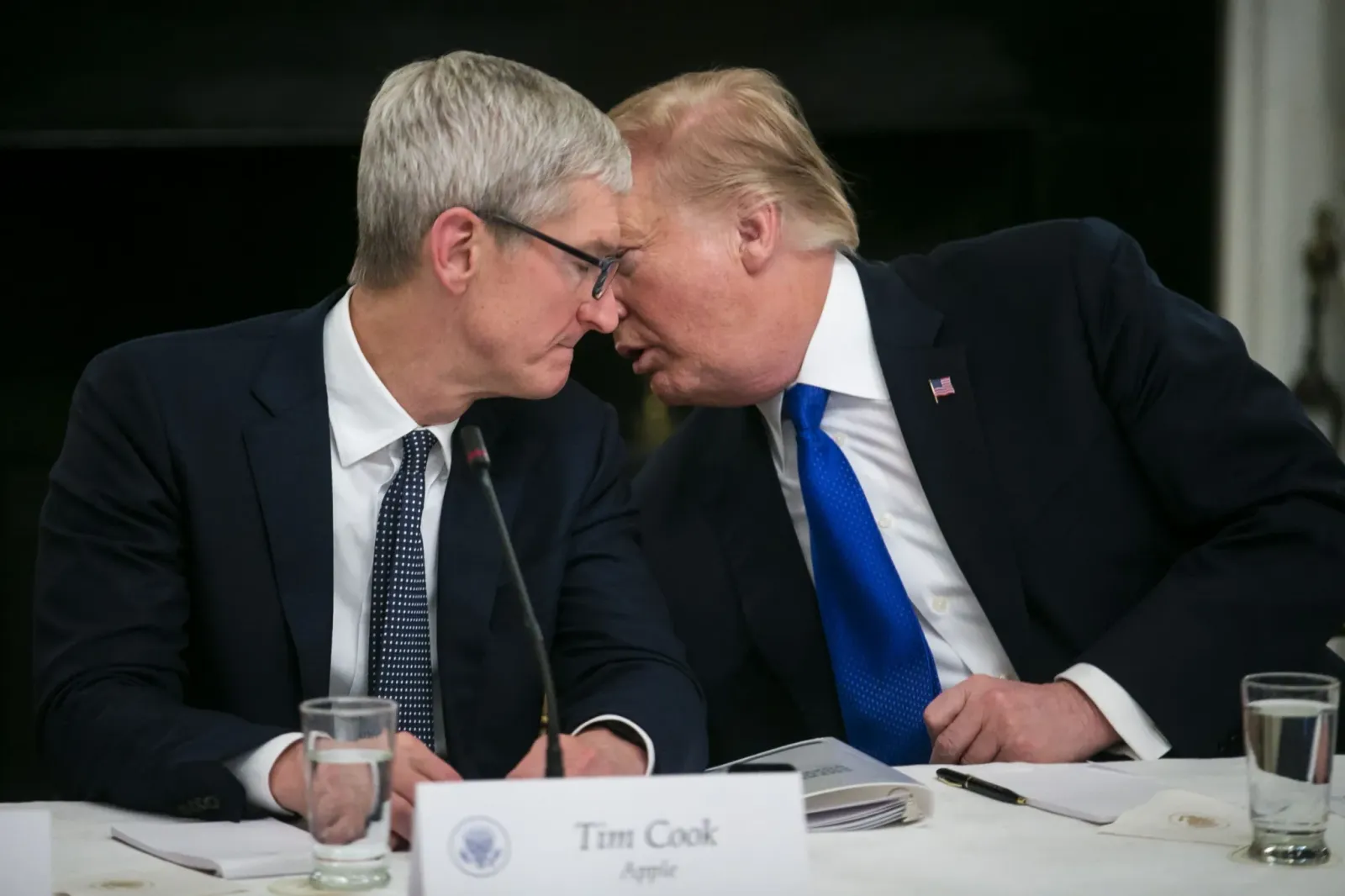
Tim Cook steps down as Apple CEO, stays on as chair with $45M equity
The 'Trump whisperer' keeps his White House and Beijing access as Apple navigates tariffs and a $4.6 trillion market cap.

Snowflake shares surge as AI data demand crushes estimates, lifting full-year forecast
Stocks jumped on stronger-than-expected guidance, signaling enterprise AI workloads are accelerating faster than Wall Street priced in.
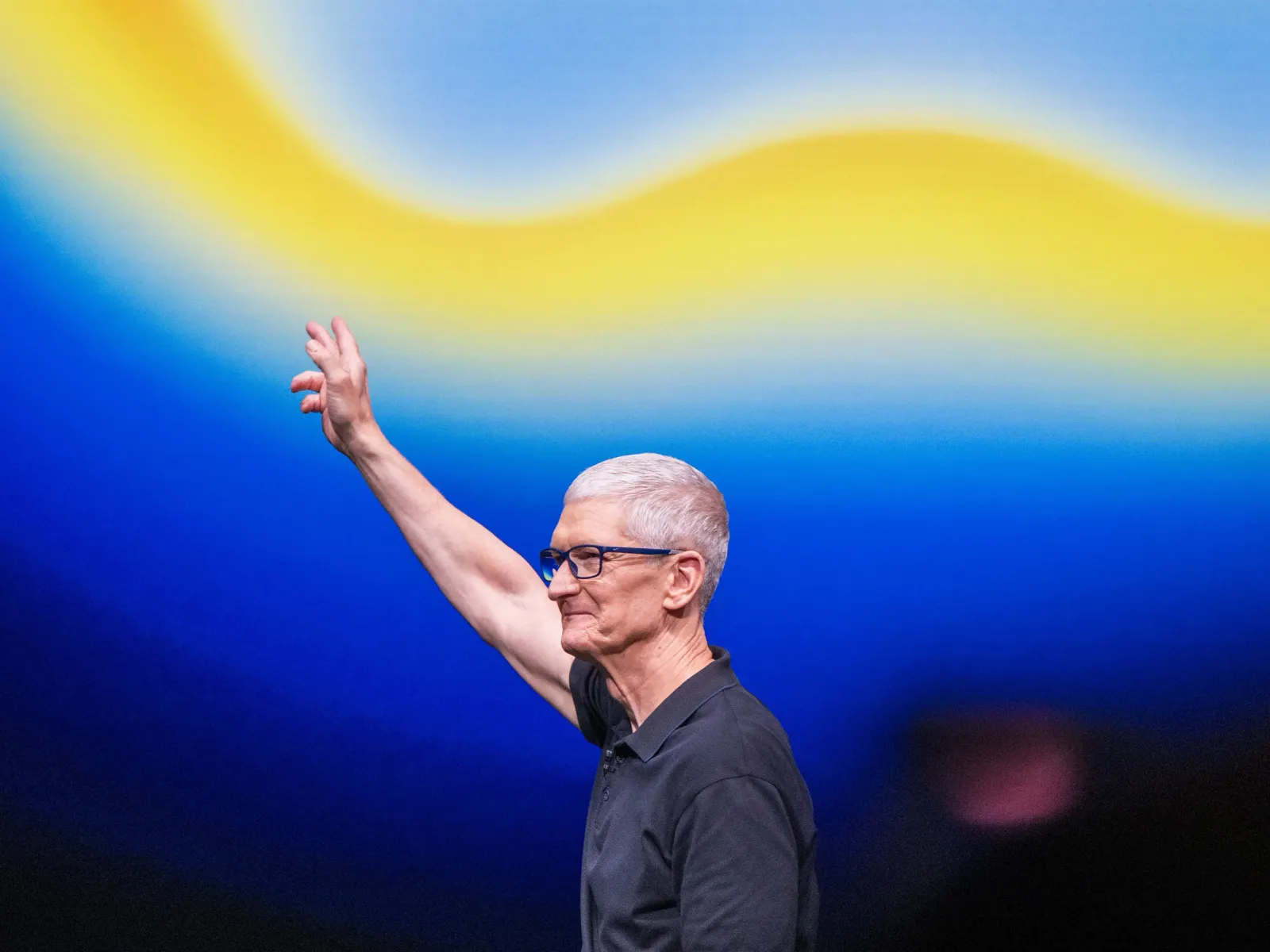
Tim Cook's 15-year Apple CEO run ends: 3 lessons for any successor
After 15 years, Tim Cook hands Apple to John Ternus - here's how he turned a $350B company into a $4.6T juggernaut.