
Paramount-WBD merger pauses after temporary antitrust order, with $7B breakup fee looming
David Ellison’s Skydance-led deal is delayed until antitrust rulings, leaving employees split between layoffs and survival bets.
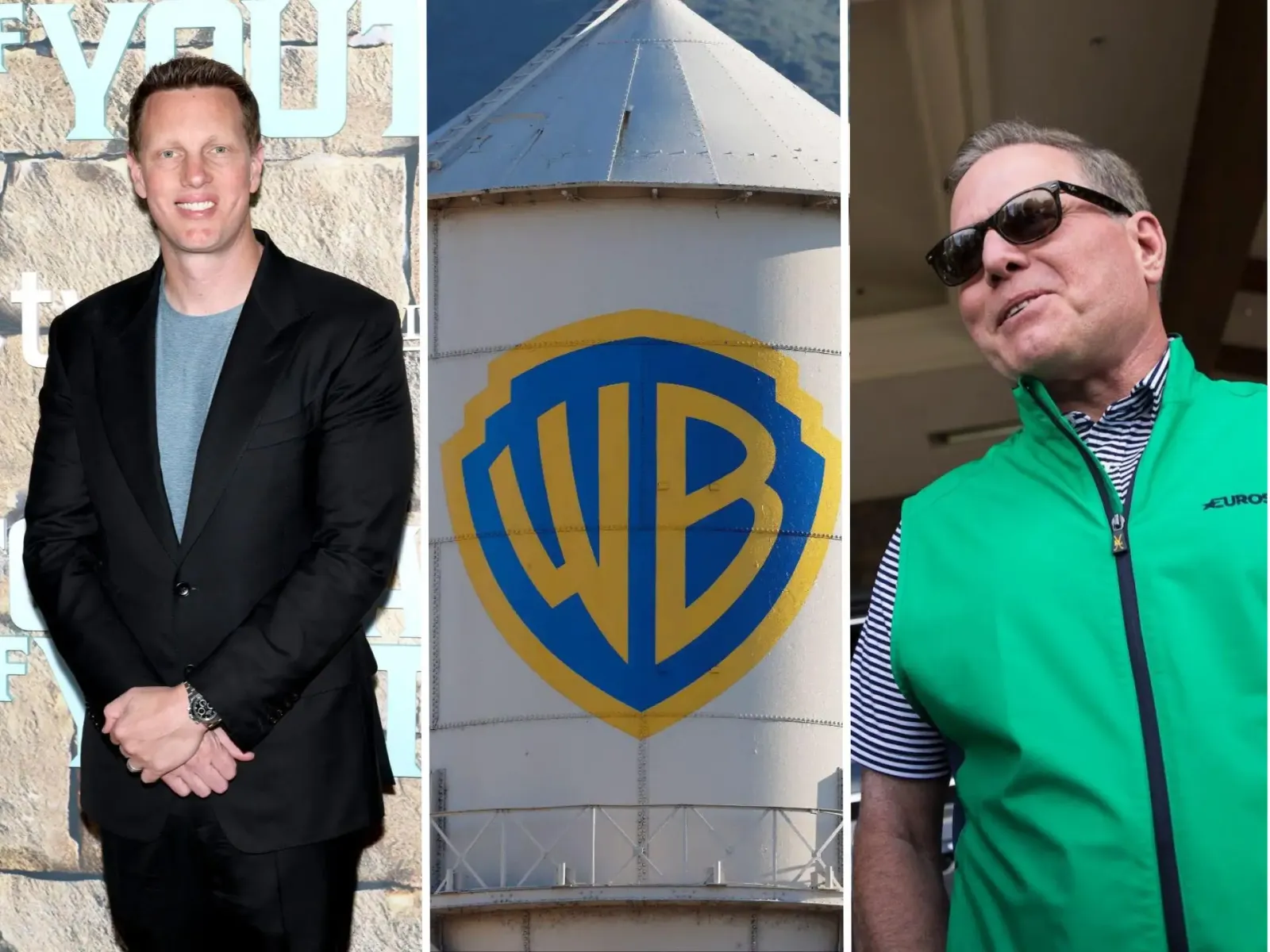
Paramount Skydance CEO David Ellison’s $110 billion plan to buy Warner Bros. Discovery, led by CEO David Zaslav, is on pause after a judge issued a temporary order tied to a lawsuit from 12 states. For executives, the delay sharpens an incentive puzzle: the deal gets more expensive to break, but time increases regulatory and operational uncertainty.
Paramount Skydance’s mega-merger with Warner Bros. Discovery is on pause, and the pause has a price tag: Paramount’s side would owe WBD a $7 billion breakup fee if the deal falls through. The reason the clock stopped is blunt and legal. After a judge issued a temporary order in response to a lawsuit from 12 states, Ellison’s company agreed on Friday to pause closing its WBD deal until five days after the antitrust cases are ruled on, or until June 1, 2027, whichever comes sooner.
That is the moment employees feel in their bones. Some Paramount staffers told Business Insider they worry the merger could mean layoffs after teams merge, while others are more afraid of the opposite risk, that if the deal stalls or collapses, Paramount’s financial health could get worse. In other words, the pause is not just a headline. It is a months-to-years uncertainty window, and for media companies, that uncertainty can quietly rewrite budgets, hiring plans, and how leadership decides what gets protected.
To understand why people are so uneasy, follow the incentives that kick in when a deal is delayed. Ellison’s company is not walking away risk-free. It has also agreed to pay WBD shareholders a “ticking fee” of about $7 million per day starting after September 30 if the merger is not done. Those penalties help explain why some staffers, including those who might personally benefit from the outcome, are leaning toward “get it done” even while acknowledging the operational chaos mergers can bring.
But the pause is also a regulator story, and regulators are not negotiating with employee stress. The core of the states’ lawsuit is competition. The states argue the deal would harm competition by giving the combined company undue influence over cable distributors, and by providing leverage over theatrical distribution for both wide-release movies and big-budget blockbusters. Put simply: the worry is less “will companies make shows?” and more “will one bigger gatekeeper squeeze rivals at multiple points in the content pipeline.” That framing is exactly the kind of thing that antitrust cases take years to resolve, which is why the “whichever comes sooner” language matters so much for planning.
Now add the industry context that makes this merger feel like a stress test for everyone who has tried to consolidate streaming. Paramount has said it needs to join forces with WBD to form “a stronger competitor against dominant streaming and technology platforms,” like Netflix and YouTube. The logic is that scale could let the combined company produce more films and TV shows than it can on its own. Yet many in Hollywood are skeptical, and not only because of abstract concerns about “power.” Top actors and directors have spoken out against the deal, saying it would mean “fewer opportunities for creators” and “fewer jobs across the production ecosystem.” Separately, the Writers Guild of America has filed a lawsuit against Paramount, arguing it violates antitrust law, which reinforces that this is not a single-lane fight.
Inside Paramount, employees interviewed after the judge’s order were split into two anxious camps. Some fear their roles become expendable when comparable groups at WBD combine. Others are anxious about what happens if the deal fails, including what a prolonged delay does to the company they rely on. One Paramount research staffer said they were “definitely worried about impending layoffs post-merger,” but also worried about the company if it does not go through. Another Paramount streaming staffer described personal uncertainty tied to the deal and said they felt “tired of mergers and chaos.” Paramount did merge with Skydance last August, six years after Viacom and CBS merged, which matters because it suggests employees are not starting from a calm baseline.
On the other side, some employees support the merger because they think it improves their odds long term. A Paramount research staffer argued the merger gives them “the best shot at keeping my job long term.” A high-level ad employee said it would make Paramount more powerful and provide “more premium supply,” helping the sales story. A senior streaming employee supported the deal as well, adding they “don’t see why it wouldn’t” get approved. That optimism, however, sits next to real structural change. Business Insider also reported that WBD had planned to sell its studio and streaming business to Netflix before Paramount stepped in. A high-level streaming staffer suggested that path would have created a larger consolidation of two streaming powerhouses while leaving WBD’s traditional TV unit flailing, with “nobody interested in it.”
For executives across media and adjacent platforms, the second-order lesson is that timing is strategy. This deal is paused, but the economic mechanisms are still designed to move. With a $7 billion breakup fee and a ticking fee of about $7 million per day starting after September 30 if it is not done, leadership is effectively forced to manage two games at once: winning the legal uncertainty while also protecting internal planning through the next phase of business execution. For peers watching, the question is not only whether Paramount and WBD combine. It is how the market and the regulators reshape consolidation math for everyone else in the content ecosystem.
This story's Key Insights and Take-aways are locked.
Create a free account to unlock Executive Actions for one credit.
Register to UnlockAlways free for Executives Club members. Join the Club
More in Business

Anthropic’s Levant Alpöge cracks the Jacobian conjecture after 87 years
A Harvard valedictorian used Claude to hit a 1939 breakthrough, but the missing “why” is the real problem.

Uber buys Delivery Hero for nearly $15B, vaulting to top food delivery outside China
The deal doubles Uber's dual-services footprint and pushes a ride-and-eats bundling play into 50 more markets.

Epic and Google drop settlement bid, forcing rival Android app stores by July 22
Google told the court it is ready to carry third-party app stores starting Wednesday, July 22.