
Patrick Gibson turns 007 First Light into a 2.7m-seller in two weeks
The actor behind 007 First Light becomes the first game Bond with both voice and likeness, with big spillover for Hollywood.

Patrick Gibson is the star of 007 First Light, the video game released two weeks ago that has sold 2.7m copies. His “computerised Bond” role, endorsed by Amazon MGM and Eon, signals how casting the superspy now works across games and film.
Hollywood is still searching for its next iteration of the superspy, but the strangest clue might be sitting in a video game storefront. Patrick Gibson, the actor behind 007 First Light, is already at the center of a wildly specific kind of franchise power: he is the “computerised Bond” with both voice and likeness in a title that has sold 2.7m copies since it launched two weeks ago.
Gibson is not just playing an approximation of James Bond. The Guardian notes that he is the first video game actor to lend both his voice and likeness to the role, and the branding heft matters. With endorsement from both Amazon MGM and previous brand guardians Eon, there’s an argument to be made that he is the seventh official Bond, and the second Irish one. That is the kind of detail that should make producers, studio executives, and licensing teams sit up straight: the “next Bond” conversation is no longer only happening in casting rooms and tabloids, it is happening in interactive media with measurable momentum.
The audition circus around James Bond is its own genre. Each week, the paper says, brings a “din of audition speculation” so loud it must be exhausting for the Elordis, Cavills, and Dickinsons at the centre of the rumor mill. But Gibson’s path suggests a different kind of playbook, one that is quieter and, so far, more commercially validated. When he submitted a self-tape to Danish developers IO Interactive, he says there was “talk of martinis in the audition sides” that gave him an inkling, though he still “didn’t believe” it could be that.
That matters because it reframes what audiences think “winning” looks like. In film, the Bond gig is a career peak wrapped in secrecy, press choreography, and long timelines. In games, the process can look less like a glamorous finale and more like an iterative production pipeline where performances become assets. Gibson’s case is essentially the marriage of two things video games have long wanted and studios have often struggled to monetize cleanly: character identity and brand continuity. In plain terms, when voice and likeness are both in play, the character stops being a costume and starts behaving like a living IP object that can be reused, adapted, and defended.
From an incentives perspective, this is exactly what brand owners care about. The Guardian highlights endorsement from Amazon MGM and Eon, which signals that the people guarding the franchise see the game as more than a side quest. That endorsement also points to how Hollywood’s licensing and brand strategy is changing. Instead of treating games as merchandising shadows, major owners now treat them as another stage for franchise meaning. If a game can sell 2.7m copies in two weeks while carrying the official-feeling markers of the screen Bond, then “audition buzz” becomes less informative than commercial proof.
There is also a second-order effect boards and executives should pay attention to: performance rights and identity rights become operationally central. When an actor lends both voice and likeness, the deal is not just about creative participation, it is about controlling a durable bundle of rights. Even without getting into legal specifics, the governance implication is obvious. As more franchises adopt this model, companies need clearer internal processes for who approves identity usage, how contracts evolve across platforms, and how franchise guardians monitor consistency. That is a risk area, but it is also a strategic leverage point. A well-run franchise can turn “casting” into a repeatable system.
So what does this mean for the next superspy, and for the executives who bankroll the hype machine? Gibson’s performance is positioned as a direct challenge to the assumption that Bond only lives on screens. If a computerised Bond with real voice and likeness can become a first-week news story and a two-week sales event, then the cultural center of gravity is shifting. Hollywood might still dominate headlines, but games are now delivering outcomes that rival studios can’t ignore.
In the end, the story is less about whether Gibson is the “seventh official Bond” than about what his early success signals. A franchise built on an iconic, instantly recognizable lead is now being re-cast in digital form with explicit brand endorsement. For decision-makers watching from the boardroom, the takeaway is blunt: interactive media is no longer just distribution. It is casting, rights, and revenue, all at once.
This story's Key Insights and Take-aways are locked.
Create a free account to unlock Executive Actions for one credit.
Register to UnlockAlways free for Executives Club members. Join the Club
More in Entertainment
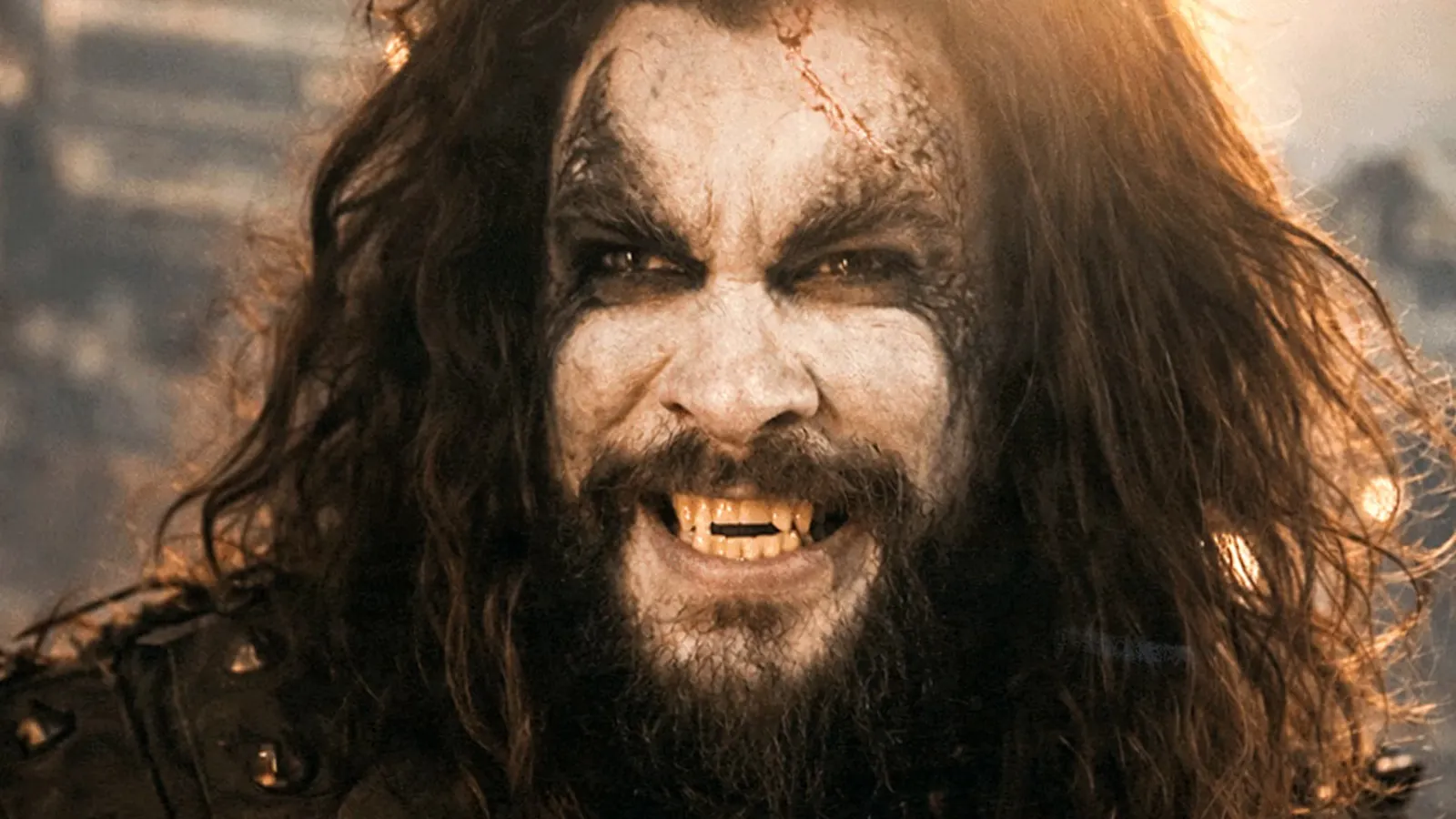
Supergirl previews confirm Lobo’s hoped-for backstory detail is already DCU canon
The early DCU update signals which comic-origin beats will survive translation from page to screen, and which will get reworked.

Nintendo rebuilds Ocarina of Time for Switch 2, and fans immediately demand Majora’s Mask
Nintendo confirms a full-scale remake later this year, then lets speculation sprint ahead of any new gameplay.
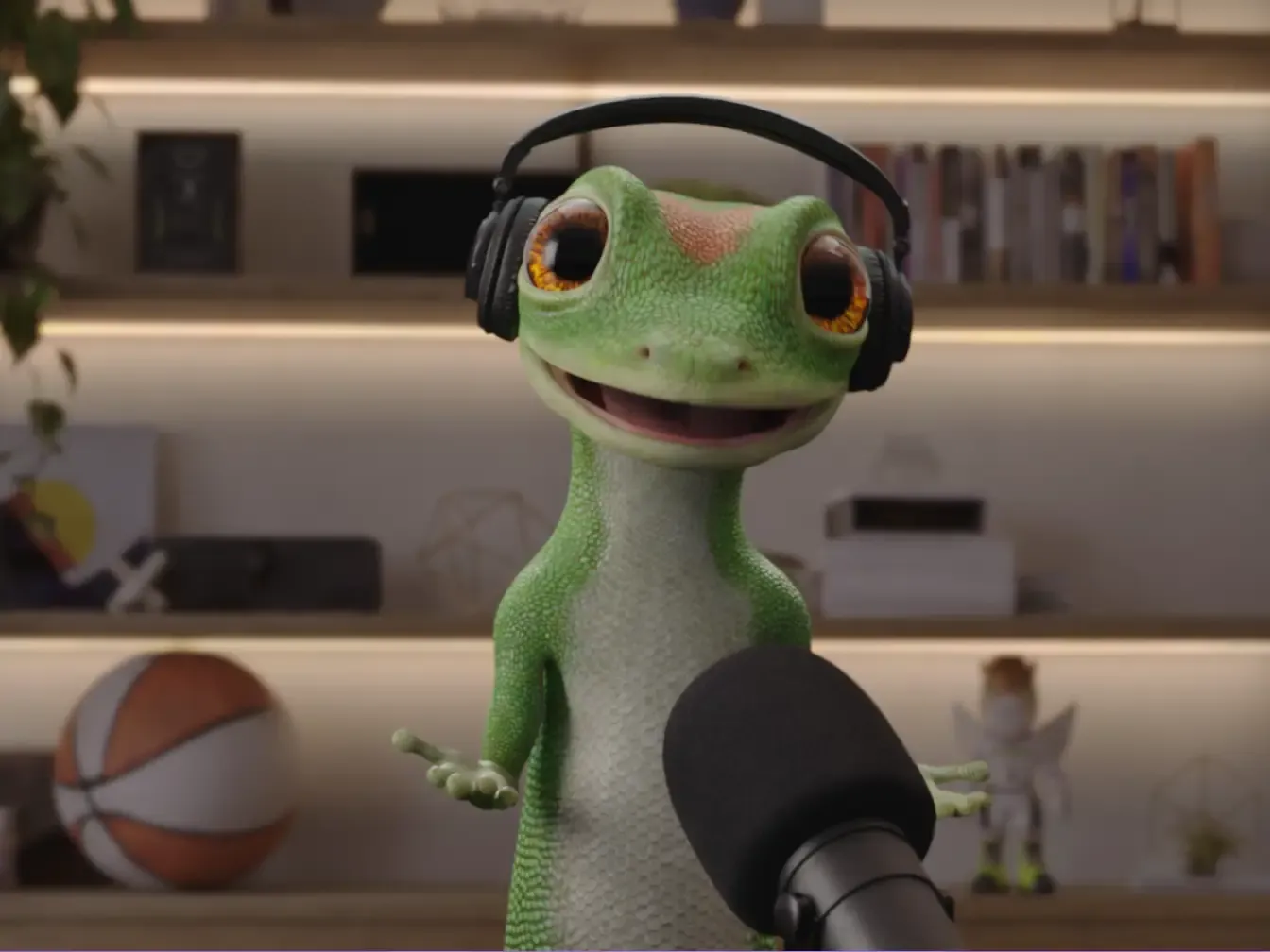
Geico’s Arianna Orpello launches an AI gecko “live” podcast interview
The CMO says Geico keeps final review while testing whether AI spokes-characters lift non-customer consideration.